
More than 1,000 billion VND in housing support
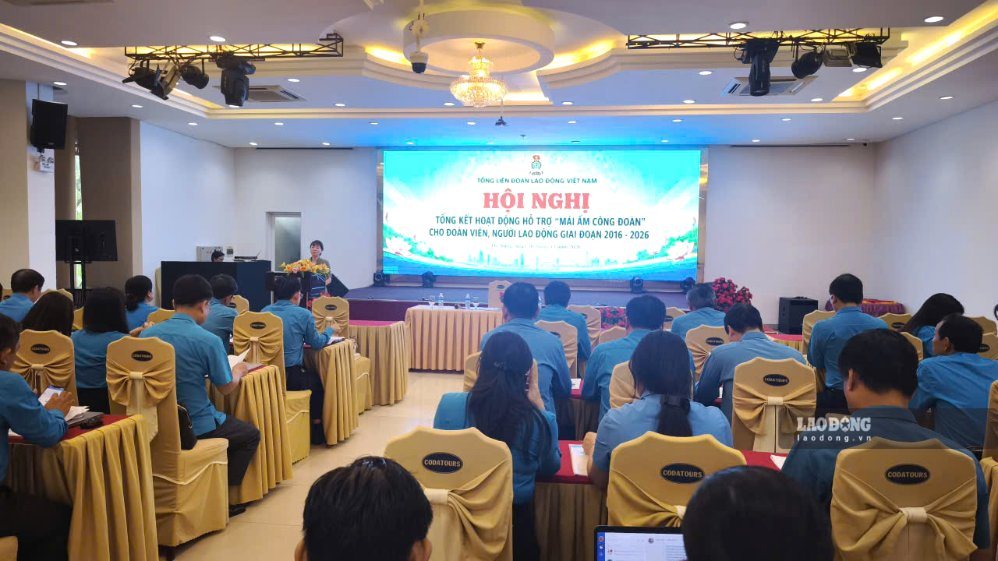
On September 10, in Da Nang city, the Vietnam General Confederation of Labor organized a summary of activities to support "Trade Union Shelter" for union members and workers in the period 2016-2026.
According to a report by the Vietnam General Confederation of Labor, in the period 2016-2026, the total amount mobilized for "Trade Union Shelter" activities nationwide reached 1,419.82 billion VND.
In which, the contribution of union members and workers is 1,037.13 billion VND; the budget and finance of local and sectoral trade unions contributed 92.58 billion VND; organizations, businesses, and philanthropists supported 290.11 billion VND.
From this resource, trade union levels have spent 1,032.57 billion VND to support housing for union members and workers. Of which, 919.38 billion VND was allocated for new construction and 113.19 billion VND for housing repair support.
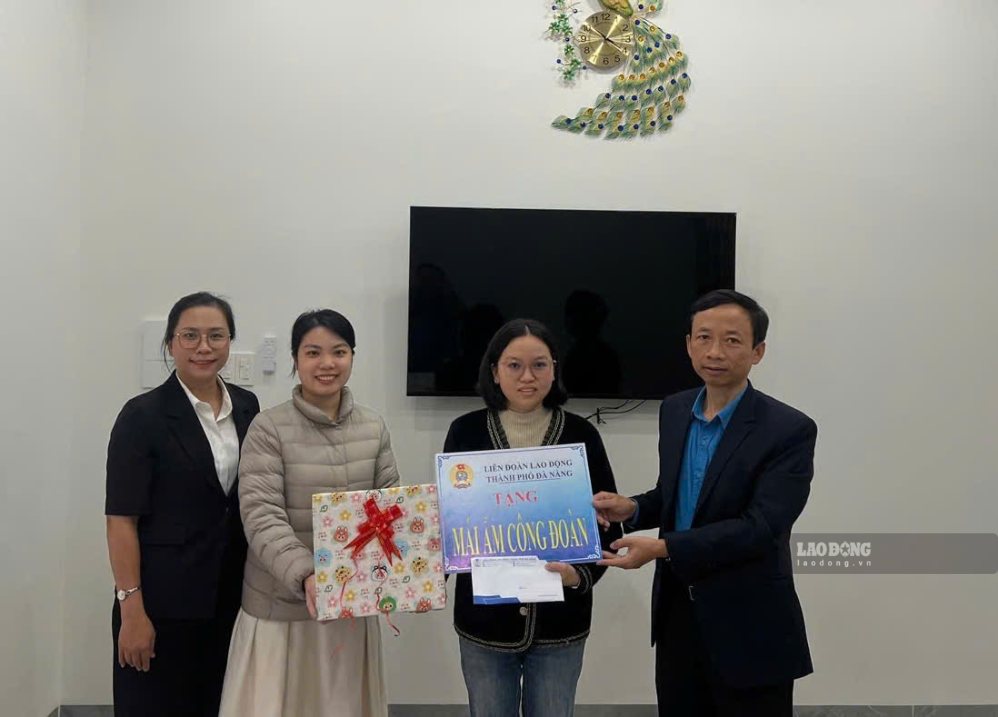
Over 10 years, the whole country has completed 26,120 "Trade Union Homes", including 21,332 newly built houses and 4,788 repaired houses. The program is implemented in 34/34 provinces and cities and 15/17 central industry trade unions, economic group trade unions, and corporations directly under the Vietnam General Confederation of Labor.
The common support level for new construction is from 30-60 million VND; some units support from 70-100 million VND. For repair cases, the common support level is from 12-30 million VND; some places increase to 40-45 million VND.
In addition to construction costs, some units also support union members with essential household items such as tables and chairs, electric fans, TVs, refrigerators, rice cookers. Many localities mobilize businesses to support construction materials, labor days, helping union member families reduce additional costs.
The program also expands support for building cultural and sports facilities in industrial parks and economic zones; building new and repairing boarding collective houses for union members in remote, isolated, border and particularly difficult areas.
Continue to bring resources to the right people
Speaking at the summary conference, Dr. Tran Thi Thanh Ha - Member of the Standing Committee of the Vietnam General Confederation of Labor, Deputy Head of the Labor Relations Department of the Vietnam General Confederation of Labor - assessed that the "Trade Union Shelter" support activities have brought profound and practical effects in both material and spiritual aspects.
According to Dr. Tran Thi Thanh Ha, the program attracts the participation of many organizations, individuals and social resources, along with the efforts of themselves, union members' families, and workers. This result continues to affirm the role of representing, caring for, and protecting workers of the Trade Union organization; consolidating trust and cohesion between union members and the Vietnam Trade Union.
More than 26,000 "Trade Union Homes" are not only the result of a housing support program, but also a specific proof of the motto of directing Trade Union activities to the grassroots level, taking care of the most practical needs of union members and workers" - Dr. Tran Thi Thanh Ha said.
Also according to Dr. Tran Thi Thanh Ha, the effectiveness of the program is also created from the coordination between provincial-level trade unions and grassroots trade unions. The support process is gradually organized closely, from surveying circumstances, selecting beneficiaries, reviewing dossiers to supervising construction, acceptance, handover and settlement.
Many units publicly announce the list of people supported and funding for each case, creating consensus among union members and trust in donors. Inspection and supervision work is also carried out in each stage to ensure that funding reaches the right people and is used for the right purpose.
In the coming time, the Vietnam General Confederation of Labor orients to complete and issue new documents to replace regulations that are no longer appropriate; proactively survey actual needs and improve resource management capacity.
Along with that is diversifying mobilization methods, expanding the participation of businesses, philanthropists and the community. Appraisal needs to continue to ensure fairness, transparency, and timeliness; procedures related to land need to be coordinated to remove obstacles so that workers do not have to wait too long.


