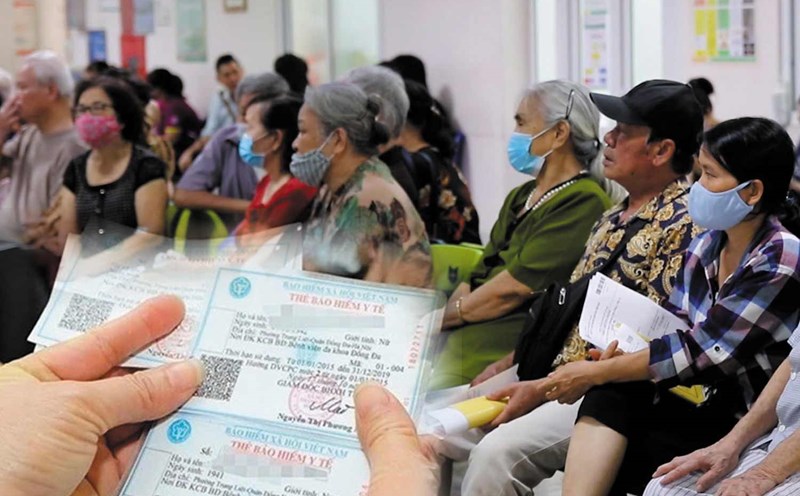
Ms. Ha Tu Uyen (25 years old) works as a worker in Quang Minh Industrial Park (Hanoi), and discovered a tumor in her calf more than a year ago. From the fleeting pain, the tumor quickly grew and forced her to undergo consecutive surgeries. This is the third time she has returned to the Oncology Department, Thanh Nhan Hospital to remove the tumor.
With a limited income for workers, the cost of cancer treatment has become a constant worry. Thanks to her health insurance card, each surgery for Ms. Uyen is reduced by 30-40 million VND, somewhat reducing the burden. I understand that the Ministry of Health is proposing to expand the list of health insurance drugs, especially cancer drugs. I really hope the policy will be approved soon so that patients like me have more opportunities to access drugs and reduce costs for my family," she said.
In the same situation, Mr. Phan Anh Tan (Hung Yen) has had esophageal cancer for more than two years. Before getting sick, he worked as a worker with an income of about 9-10 million VND/month. Since his health declined, he had to quit his job, continuously receive treatment, and buy many other drugs outside the health insurance list as prescribed by the doctor. The increasing cost of treatment has caused many difficulties for the family. Mr. Tan expressed his hope that the drug list will be expanded so that patients can receive more comprehensive support.
Master, Doctor Nguyen Van Truong - Department of Oncology, Thanh Nhan Hospital - said that cancer treatment is a multi- modular treatment, that is, combined with many methods such as: surgery, chemotherapy, radiotherapy, biological therapy, targeted drugs, stem cells... These methods help increase the patient's chance of survival but also increase treatment costs.
The Ministry of Health's proposal to add drugs to the health insurance list is a practical support direction, helping patients access more types of drugs, especially drugs imported from Europe with very expensive prices, said Dr. Truong.
He also said that during the treatment process, the hospital has recorded many cases of workers and the elderly who were unable to pay for medicine. At that time, the doctor must adjust the regimen accordingly, and at the same time coordinate with the Social Work Department to strongly call on donors to support patients' finances.
Dr. Tran Thi Thanh Hoa - former Deputy Director of the Central Endocrinology Hospital - commented that targeted drugs are often very expensive, some types up to 60 million VND. Without health insurance, many poor patients or patients with serious illnesses will not be able to access treatment. Including these drugs in the health insurance list brings great benefits to patients, especially vulnerable groups. The sooner it is supplemented, the higher the patient's treatment opportunities, she emphasized.
Ms. Hoa believes that expanding the list of health insurance drugs is necessary, but the use of special, high- cost drugs must be strictly managed.
In cases where rare drugs are needed, the doctor will prescribe a consultation, based on clinical symptoms and test results, with the participation of the department head or deputy head. This process aims to ensure proper treatment and prevent the risk of drug abuse. Documents related to the prescription of specific drugs must be strictly monitored by health insurance assessors. When the dossier is put into the system, the appraisal agency needs to check immediately. In case of validity, the patient will be paid; if any unusual signs are detected, the process will be suspended for verification.
A health insurance card is not only a financial support but also helps patients access timely treatment. In the context of increasing medical costs, especially for specific drugs, expanding the list of health insurance drugs is expected to reduce the burden and increase treatment opportunities. When the policy is completed and closely monitored, the rights of patients - especially vulnerable groups - will be better guaranteed.