
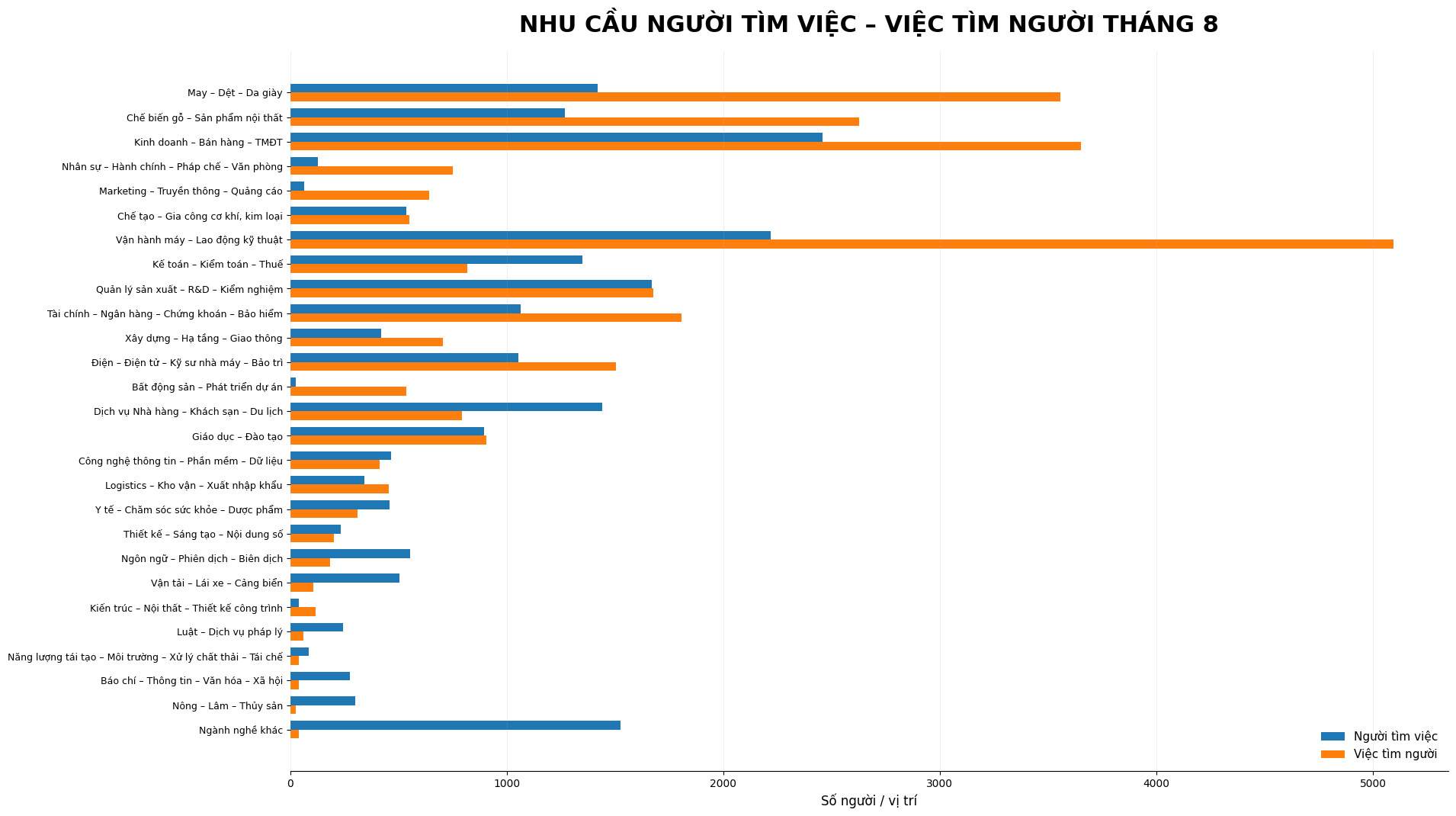
Assessing the labor market situation in Ho Chi Minh City today, Ms. Nguyen Van Hanh Thuc - Director of the Ho Chi Minh City Employment Service Center said that the market is recording strong signs of recovery. According to the center's statistics in August, the total recruitment demand of businesses reached 27,607 positions, exceeding about 31.2% compared to the job search force (21,035 turns). However, the market still faces the problem of supply-demand imbalance in the industry structure and professional qualifications, leading to a situation where some businesses find it difficult to recruit workers, while others cannot find jobs.
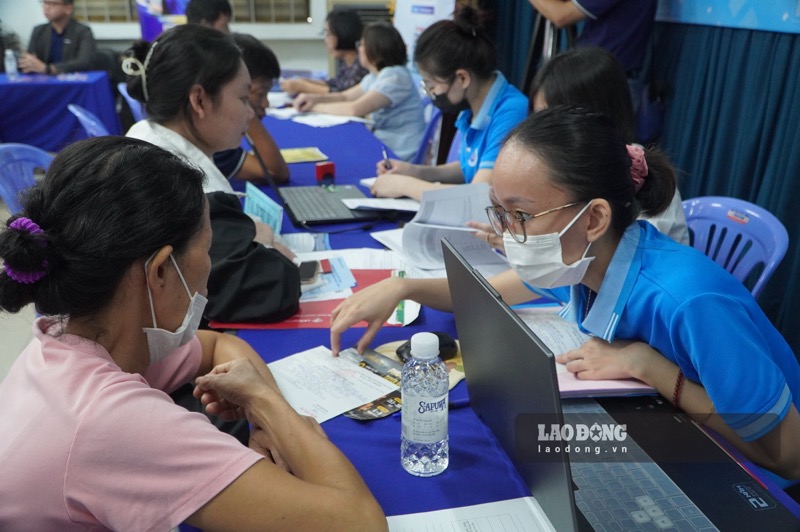

The imbalance is clearly shown in the Garment - Textile - Leather and Footwear industry when businesses need to recruit 3,558 job positions but only 1,420 workers are looking for jobs. Notably, despite offering an average income of more than 13 million VND/month and full insurance benefits, textile and garment enterprises still face difficulties in attracting human resources.
Mr. Huynh Van Choi - Chairman of the Trade Union of Viet Hung Joint Stock Company (specializing in processing garments for export in Ho Chi Minh City) shared that the enterprise is going through a difficult period to find additional personnel for the production line. Although the target set from last year to now is to recruit about 200 workers for one garment line, after a long period of implementation, the number of applications collected has not yet met expectations. This situation occurs even though the company maintains a fairly good remuneration level with an average income of about 13 million VND/month, and fully pays insurance according to regulations.
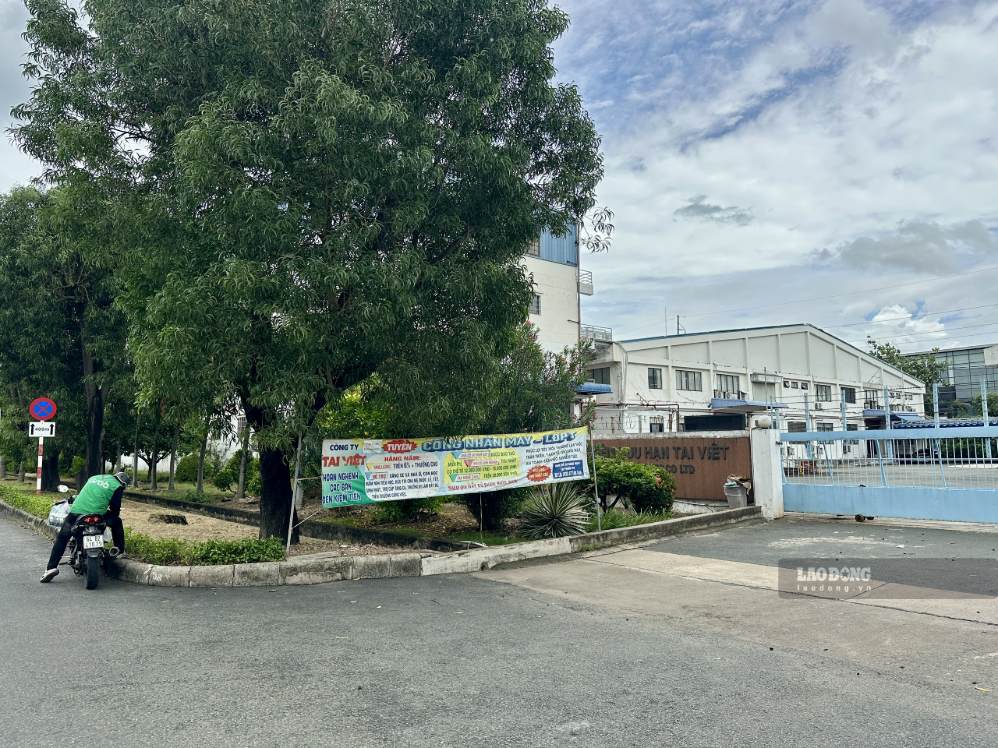
Recognizing the causes, representatives of the enterprise trade union said that workers today are no longer enthusiastic or less interested in work in the garment industry than before. To solve this problem, Viet Hung Joint Stock Company has applied many solutions from posting information on social networks, participating in job exchanges, and even directly going to units that have stopped operating to access human resources, but workers still do not have the need to return to the garment industry.
The shortage of direct labor force makes it impossible for the company to ensure maximum capacity according to the design. The direct consequence is that partners cannot deliver large orders, forcing businesses to consider refusing or narrowing down the scale of order receipt to ensure delivery progress.
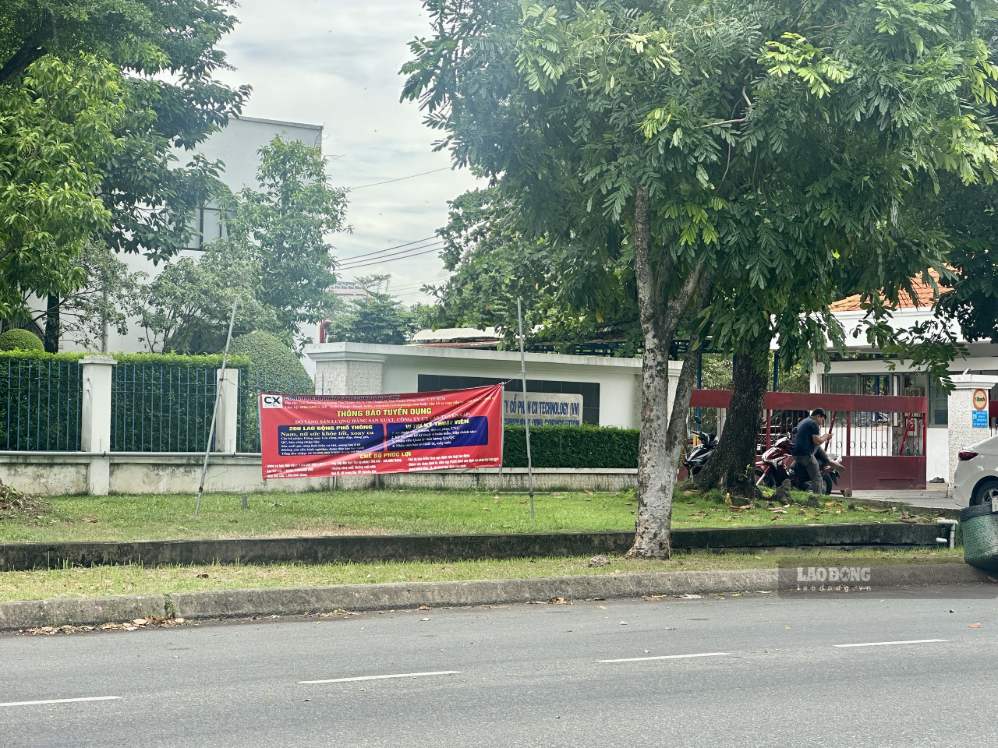
Forecasting the labor market in the coming time, Ms. Nguyen Van Hanh Thuc said that the demand for recruiting general labor and technical workers will continue to increase to serve year-end production orders and supply chains, along with the increasingly rapid recovery of the trading, digital business and service sectors. Meanwhile, the pressure of job competition for the university-level group in the administrative - office sector is forecast to remain high. This reality requires workers to proactively improve practical application skills, while businesses must flexibly improve remuneration policies to attract direct production human resources.
Also according to the Director of the Ho Chi Minh City Employment Service Center, in the first 8 months of the year, the center has proactively advised and supported vocational skills training for more than 5,000 workers who are receiving unemployment benefits and need vocational training. Entering September, the unit will continue to coordinate with vocational education institutions to promote vocational training counseling and support for this workforce.


