
Great pressure from domestic waste
Statistics show that the whole province generates about 450 tons of domestic waste every day, while the current treatment capacity only meets about 24%. Most of the remaining waste still has to be treated by burial, manual burning on a small scale or temporary collection at transfer points.
This situation not only causes waste of land resources but also causes environmental pollution, especially in densely populated residential areas.
In Thai Binh ward, the domestic waste treatment plant currently receives and treats an average of 150-160 tons of waste per day, serving 5 wards. However, the volume of accumulated waste in this area still reaches about 286,000 tons. This figure shows that the existing treatment system has almost reached the maximum threshold, making it difficult to meet more if the amount of waste continues to increase.
According to the Department of Natural Resources and Environment of Hung Yen province, by 2022, the whole province had 297 waste accumulation points, an increase of 133 points compared to the previous year, with a total volume of about 635,210 tons. Of which, 127 points are full, unable to receive more waste, and 170 points are still capable of receiving, but only at a level of about 113,000 tons.
More worryingly, if the amount of domestic waste continues to increase by an average of about 15% per year, while agricultural by-products have not been effectively utilized but are discharged into the environment, the rate of untreated waste will continue to increase. At that time, pressure on the environment will increase, leading to many consequences for public health and socio-economic development.
Promoting technology, towards a green economy
In order to remove the "bottleneck" in waste treatment, Hung Yen is gradually shifting to applying modern, large-scale technologies, gradually replacing traditional treatment methods.
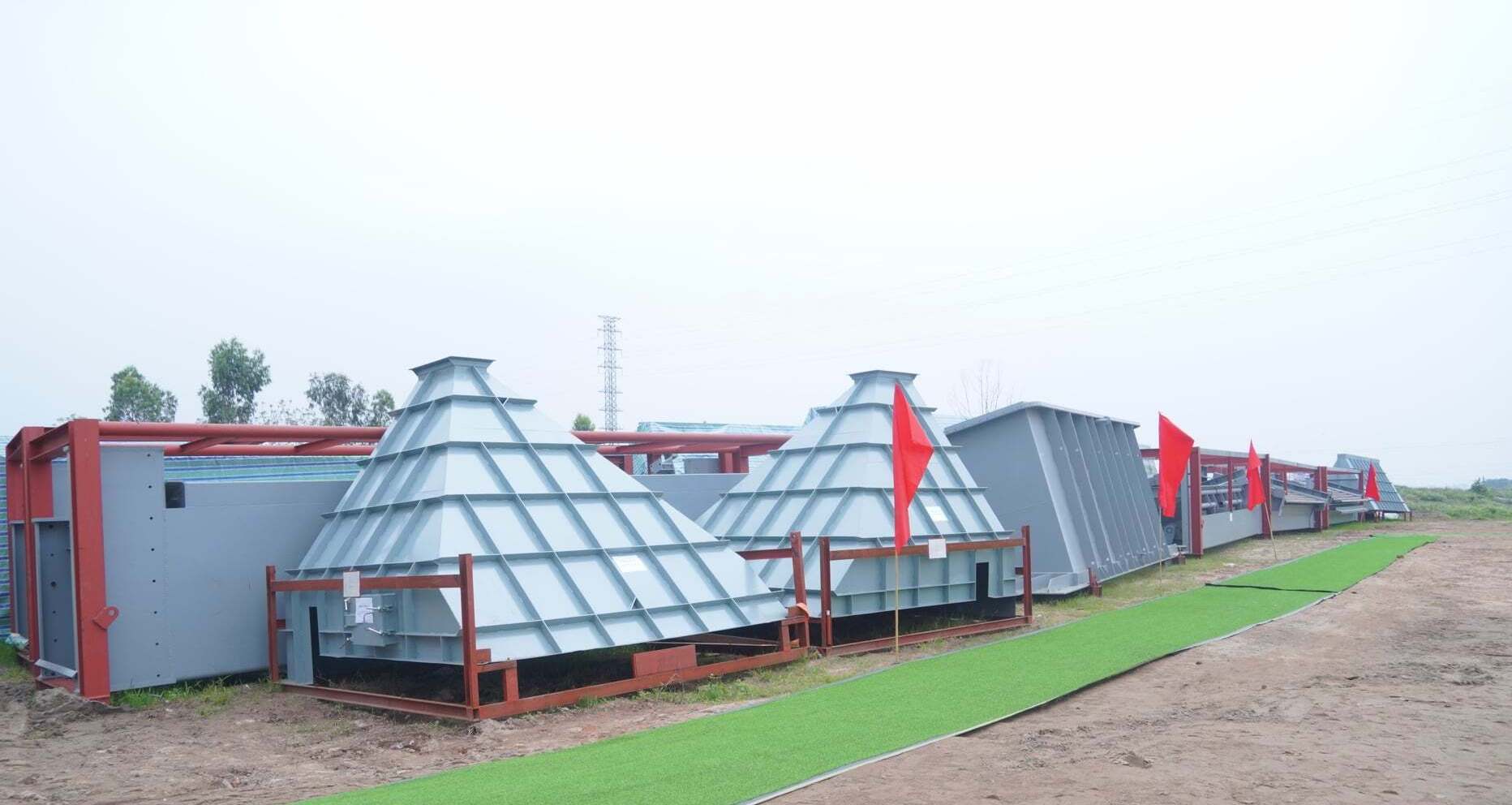
In early March, the province organized the groundbreaking ceremony of the Phu Cu Waste-to-Energy Plant Project in Doan Dao commune with a capacity of 1,600 tons/day. This is considered one of the key projects, marking an important turning point in the local waste treatment and clean energy development strategy.
The project uses Waterleau-style mechanical recording incinerator technology from Belgium - one of the advanced technologies today, meeting strict environmental standards of Europe and Vietnam. Not only thoroughly treating waste, the plant also has the ability to generate electricity, contributing to taking advantage of resources from waste.
Sharing about the project, Mr. Tran Van Quang (resident of Doan Dao commune) expressed his expectation: "The construction of a large-scale waste treatment plant with modern technology will help reduce prolonged pollution for many years, while improving the living environment for people.
Previously, in June 2025, the Solid Waste Incineration Plant project in Thai Thuy commune was also started. With the orientation of thorough waste treatment, combined with clean energy production, this project is expected to contribute to significantly reducing the load on the current treatment system.
In parallel with the implementation of new projects, the province also pays special attention to treating the amount of accumulated waste. Faced with the reality of large amounts of accumulated waste in Thai Binh ward, Mr. Nguyen Hung Nam - Vice Chairman of Hung Yen Provincial People's Committee requested the locality to focus on thoroughly treating the accumulated amount of waste, applying unified unit prices and selecting appropriate technologies, ensuring environmental requirements.
Relevant departments and agencies are also assigned the task of reviewing and removing obstacles in procedures and infrastructure, considering this as a prerequisite for projects to soon go into operation and promote efficiency.
In the long term, waste-fired power plants will become an important link in Hung Yen's green economic ecosystem. Not only helping to reduce environmental pressure, the projects also contribute to saving land funds, supplementing clean energy sources, serving socio-economic development.


