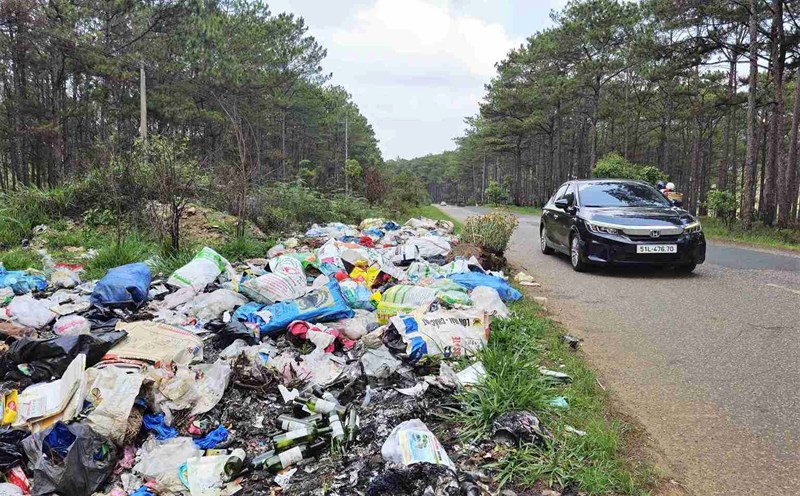
In flower production areas, agricultural waste such as fertilizer packaging and pesticides after use has been collected and gathered by people in the right places, instead of being treated arbitrarily as before.
After many campaigns of propaganda, guidance and arrangement of tanks, many households have formed the habit of collecting pesticide packaging to wait for collection and treatment.
People's awareness has had positive changes. However, to maintain sustainable efficiency, the collection, transportation and treatment stages need to be carried out regularly and continuously.
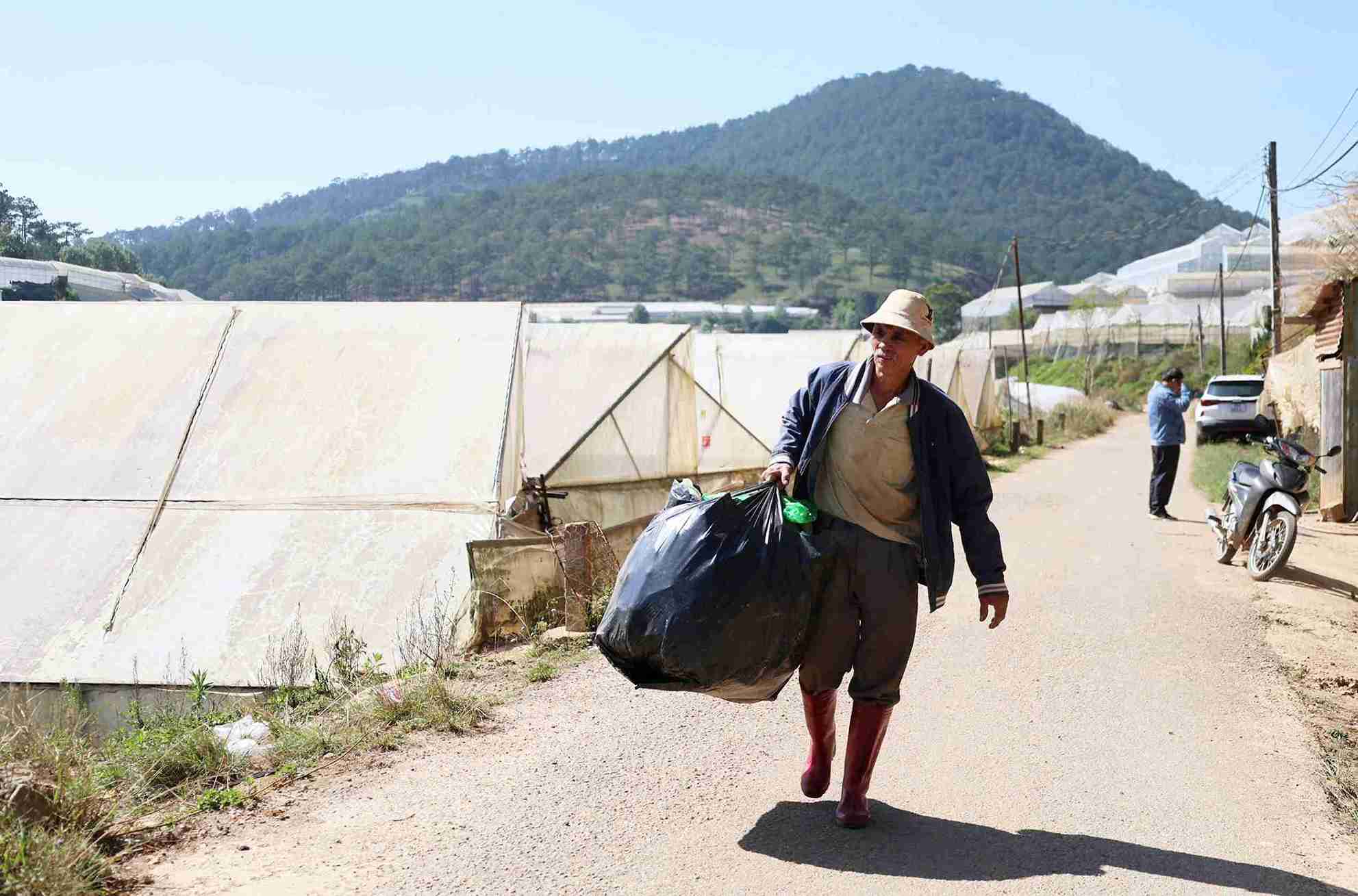
Mr. Nguyen Manh Hung (Thai Phien flower village, Lam Vien ward - Da Lat) said that in the past, his family often collected pesticide waste and burned it, but now he has brought the packaging back to the tank in accordance with regulations. However, recently, the collection has been uneven, the tank is sometimes full, causing environmental concerns.
Similarly, Mr. Tran Van Trung, a gardener on Dap Nuoc street (Thai Phien flower village) said that his family grows flowers in greenhouses and regularly uses pesticides.
Previously, waste was mainly collected and then burned; now it has been switched to collection and gathering in the right places. However, the collection afterwards was not timely, causing waste to accumulate.
Reality shows that the arrangement of storage tanks has contributed to changing people's perceptions, but the post-collection stage is not stable, leading to prolonged stagnation at storage points.
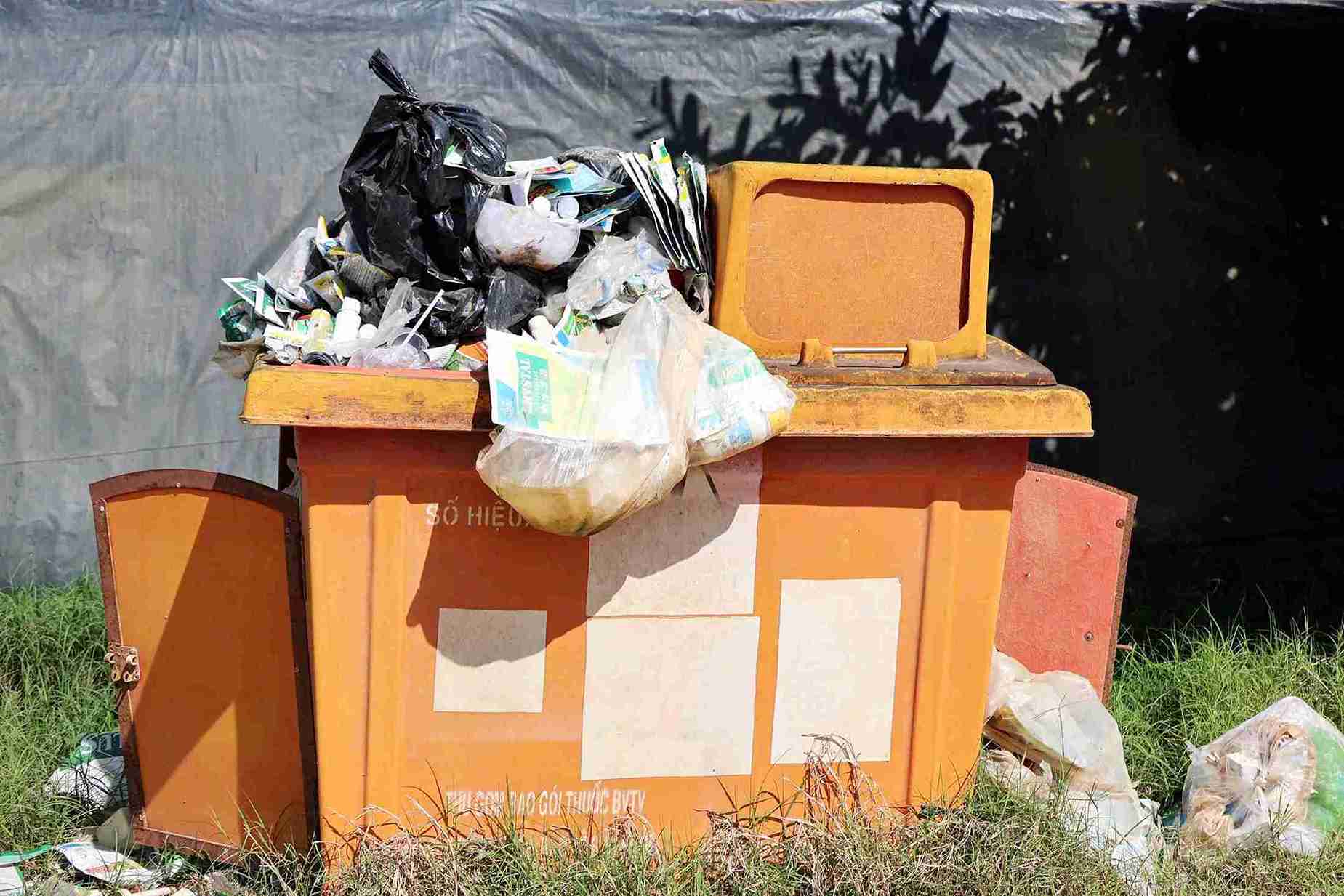
According to reports, by the end of 2025, the whole province had built 23 temporary storage warehouses and 4,810 pesticide packaging tanks. Of which, 3,980 tanks are still in use, and 830 tanks have deteriorated.
In 2025, the locality collected and treated 103.02 tons of pesticide waste out of a total of 267 tons generated, reaching 38.6%, with a cost of more than 4 billion VND.
This result shows that the collection work has been widely deployed, but has not kept up with the amount of waste generated; the collection rate is still low.
The actual implementation also shows the disparity between localities; many storage tanks are degraded, and collection and disposal are not regular. The situation of mixing domestic waste into storage tanks still occurs, increasing the volume of hazardous waste and treatment costs.
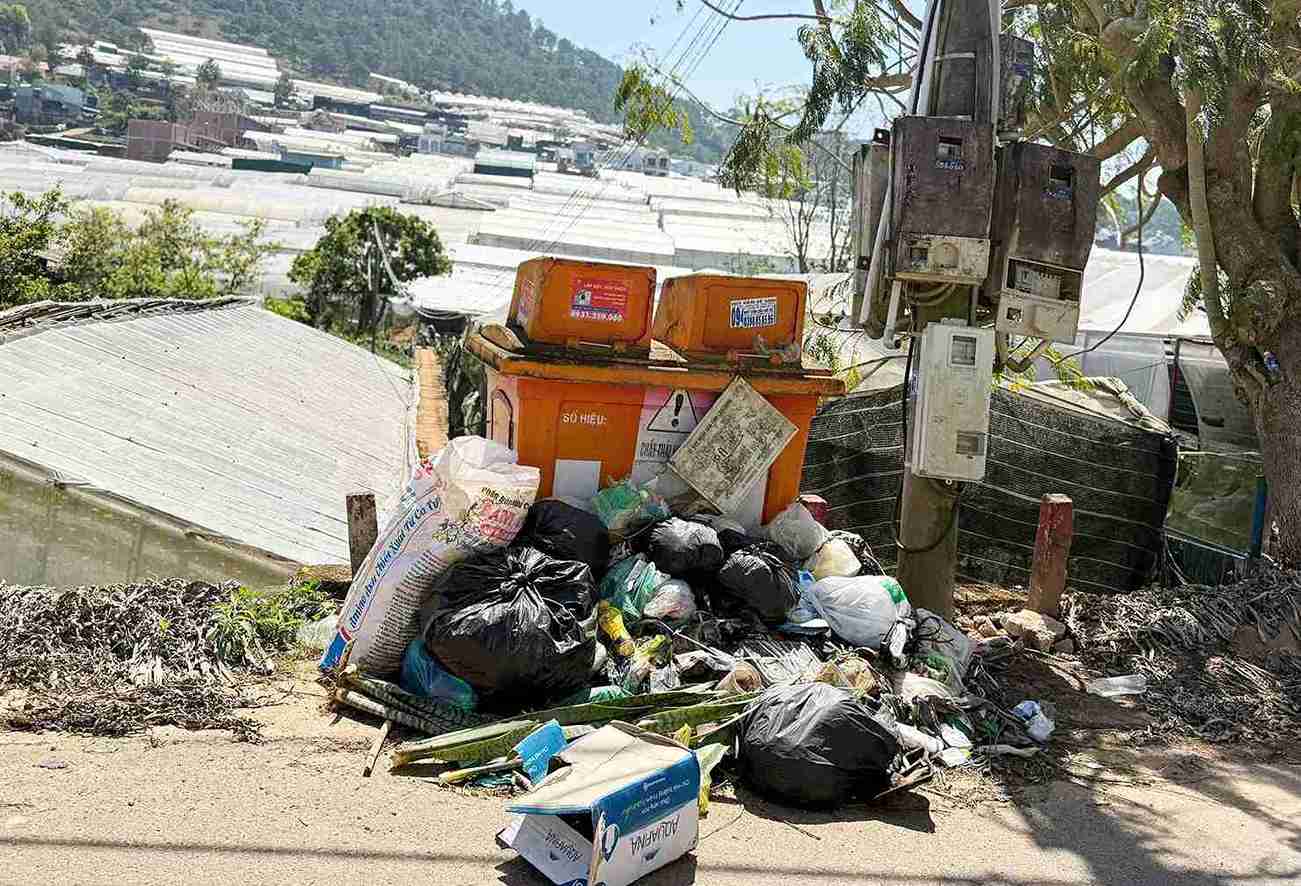
According to the Lam Dong Sub-Department of Crop Production and Plant Protection, agricultural waste, especially pesticides, is hazardous waste, so the collection, transportation, and treatment must comply with regulations.
Over the past time, the agricultural sector has strengthened propaganda, guidance, and coordination with localities to build storage tanks and sign treatment contracts. However, the biggest difficulty currently is the funding for collection, transportation, and destruction, making the implementation uneven.
To improve efficiency, it is necessary to continue to promote propaganda and raise awareness; and at the same time maintain the system of storage tanks, organize periodic collection and allocate resources for transportation and treatment of waste.