
Digital infrastructure covers widely, data gradually connects
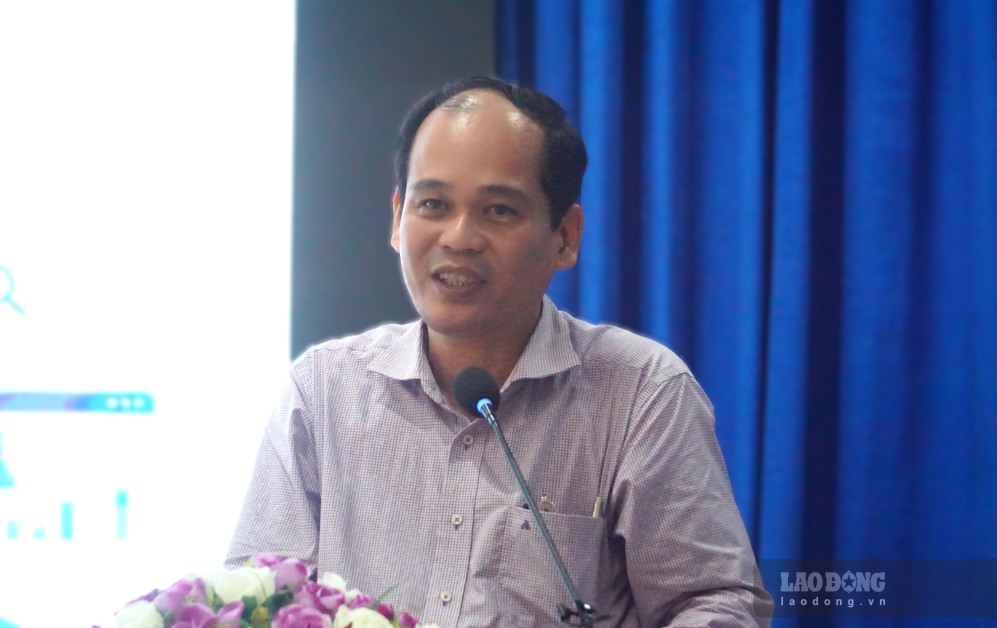
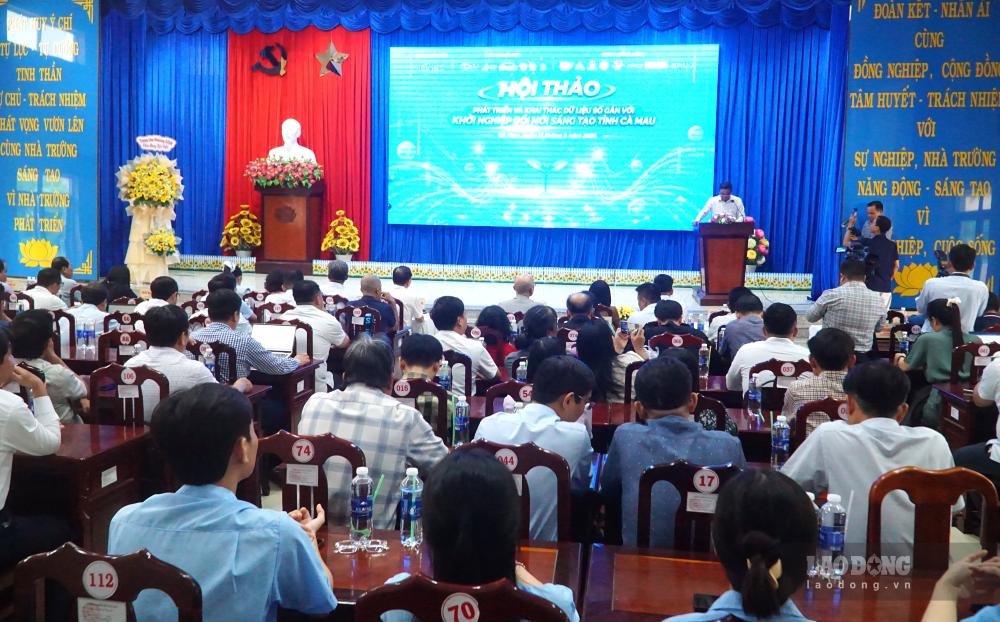
Mr. Huynh Hung Dung - Deputy Director of the Department of Science and Technology of Ca Mau province - said that data has become an important resource in digital transformation. The issue is to connect, share, and exploit data to serve people, support businesses in making decisions, and promote smart production.
According to a report by the Ca Mau Provincial People's Committee, the Provincial Data Center is operating 23 physical servers, 443 virtual servers with a total capacity of 210 TB, serving 126 specialized applications and software.
The provincial-level data integration and sharing platform (LGSP) has linked with the national platform (NDXP) and 35 central and local information systems. The province has completed 26/43 specialized databases, put into operation 31/32 shared data categories.
The document and operation management system (iOffice) has covered 100% in 719 units with more than 13,000 accounts. The whole province has issued 12,500 public digital signatures, 188,510 public digital signatures. Telecommunications infrastructure covers 3G, 4G, 5G for the entire population; broadband fiber optic cables up to 100% of hamlets and villages.
Dr. Tran Hoang Viet - Deputy Director of the Center for Software Technology of Can Tho University, said that system architecture needs to unify the list of identification codes, standardize data, expand connections through APIs, and ensure information security. According to him, a centralized but decentralized data infrastructure with transparent processing rights will help shift the system from storage to supporting smart management.
Focusing resources on grassroots government
In Nguyen Viet Khai commune, Mr. Huynh Phuong Nhanh - Vice Chairman of the Commune People's Committee - said that the digitalization rate of administrative procedure dossiers reached 96%; dossiers submitted online reached 100%, and online payment reached 96%.
In Chau Thoi commune, 100% of officials and civil servants use iOffice, official email, online meetings, and digital signatures. However, Mr. To Thanh Hai - Vice Chairman of the Commune People's Committee - said that the locality still needs to continue to invest in equipment, funds, and human resources, promote document digitization, and complete data connection.
A part of the population, especially the elderly, still has limited skills in using smart devices and providing online public services, so they still need direct support from officials.
Ca Mau Provincial People's Committee recognizes that data sharing between sectors is not uniform; at some times VNeID and specialized software are not stable. People in rural areas, coastal areas, and the elderly still have limited access to technology.
Ca Mau will develop criteria for allocating medium-term public investment capital in the 2026-2031 period, prioritizing newly merged communes and wards, large-scale or difficult areas to complete working headquarters, digital infrastructure, and ensure stable operation of grassroots governments.


