
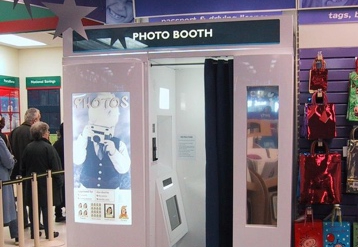
According to Hanoi City Police, in the context of strong digital transformation, many technology utilities serving people's lives are becoming increasingly popular. Notably, the photobooth service combined with QR codes is developing rapidly in major cities, especially in commercial centers, events, festivals and public spaces.
With a few simple steps, users can take photos, receive printed photos on the spot and download digital photos to their phones through QR code scanning. This convenience helps photobooth quickly be widely accepted.
However, besides the benefits it brings, this type of service also poses a risk of personal data leakage if the system does not ensure information security.
According to warnings from the network security community, many photobooth systems currently have security vulnerabilities, causing personal images to be accessed illegally, even becoming public data on the Internet without users knowing," Hanoi City Police informed.
Not only stopping at infringing on privacy, these data can also be exploited for illegal acts in cyberspace.
Through the actual operation of photobooth stations in Hanoi, functional forces assess that the risk of personal data leakage through QR codes is present.
According to Hanoi Police, currently, photobooth mainly operates according to the mechanism: after taking photos, the system stores data on the server and provides users with an access link via QR code. When scanning the code, users are led to the page containing photos to download or share.
Analysis by experts shows that many systems are using a simple link creation mechanism, based on sequential or predictable identifier codes. In case there is no access authentication measure, others may change the code in the link to access other user data.
This is a typical security vulnerability that potentially reveals personal photos, family photos, children's photos or sensitive data without the owner's knowledge.
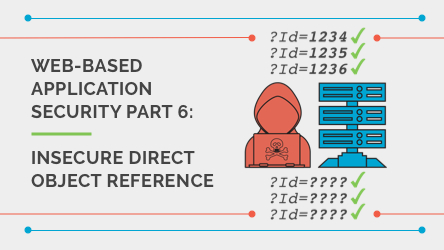
Notably, this vulnerability does not require complex technical tricks. If the system does not strictly control access, bad actors can take advantage of it to collect large amounts of data through automated tools.
In the context of rapid development of AI and facial recognition technology, leaked image data may be exploited to forge identities, create fake profiles, serve fraudulent acts or be used for other illegal purposes in cyberspace.
From the above situation, Hanoi City Police recommends that people be cautious when using photobooth services. Publicly sharing photo links on social networks or sending them to many people without controlling the access scope can cause data to be accessed freely if the system lacks appropriate security mechanisms.
People should also not assume that technological devices placed in public places are safe, it is necessary to pay attention to the security level of the system before use, especially for devices without clear information about the operating unit.
In addition, users should proactively upload images to personal devices and delete data from the system if possible to reduce the risk of data being stored for a long time on unsafe servers.
At the same time, it is necessary to avoid using photobooth stations of unknown origin, without information about management and operation units, and always be wary of strange QR codes of unknown origin to limit the risk of being led to malicious links or being illegally collected information.


