Sau cuộc chạy đua với OneWeb để phủ sóng Bắc Cực và các khu vực gần Bắc Cực, SpaceX đã tiến sang một hướng khác. Quỹ Khoa học Quốc gia Mỹ (hay NSF) đang thử nghiệm một trong những thiết bị đầu cuối Starlink của mình tại Trạm McMurdo ở Nam Cực. NSF cho biết băng thông tăng lên sẽ giúp các nhà khoa học làm việc trên lục địa xa xôi gần Nam Cực, The Verge đưa tin
Theo NSF, McMurdo, trạm nghiên cứu đông đúc nhất ở Nam Cực, với hơn 1.000 người sống và làm việc trong suốt mùa hè, hiện đã có internet vệ tinh nhưng chất lượng kết nối không hề cao. Các nhà nghiên cứu ở căn cứ phải chia sẻ một liên kết 17 Mbps, theo Chương trình Nam Cực của Mỹ.
Điều này hạn chế nghiêm trọng những gì họ có thể làm. Cũng vì lý do đó, trạm nghiên cứu phải chặn sử dụng các ứng dụng băng thông cao như Netflix, sao lưu đám mây và các cuộc gọi điện video, ngoại trừ Skype hoặc FaceTime mỗi tuần một lần tại kiosk công cộng hoặc các giao tiếp quan trọng.
Việc bổ sung kết nối Starlink không có nghĩa là họ có đủ băng thông cho các ứng dụng giải trí như Netflix. Tuy nhiên nó có thể giúp chuyển dữ liệu khoa học quan trọng ra khỏi lục địa băng giá dễ dàng hơn.
Người phát ngôn của NSF, Mike England, cho biết ông không thể bình luận thêm về việc chính xác hệ thống internet vệ tinh sẽ được sử dụng để làm gì, vì nó hiện đang trong giai đoạn thử nghiệm.
SpaceX đã tweet lại bài đăng của NSF, nói rằng Starlink “hiện đã có mặt trên tất cả bảy lục địa” và khả năng hoạt động ở những nơi xa xôi như Nam Cực là nhờ vào “mạng lưới laser không gian của Starlink”.
Mặc dù Starlink chắc chắn đã đến được một lục địa nữa, nhưng nhìn vào bản đồ về tính khả dụng của hệ thống này, bạn có thể nhận thấy rằng dịch vụ này không thực sự khả dụng ở Châu Phi hoặc Châu Á.
Công ty đang có kế hoạch triển khai dịch vụ tại ít nhất hai quốc gia trên mỗi lục địa vào cuối năm - Nigeria, Mozambique, Nhật Bản và Philippines - và các vệ tinh của họ có thể có khả năng cung cấp dịch vụ ở đó ngay bây giờ, nhưng tại thời điểm này, nó ở tất cả 7 lục địa nhưng chưa sử dụng được.
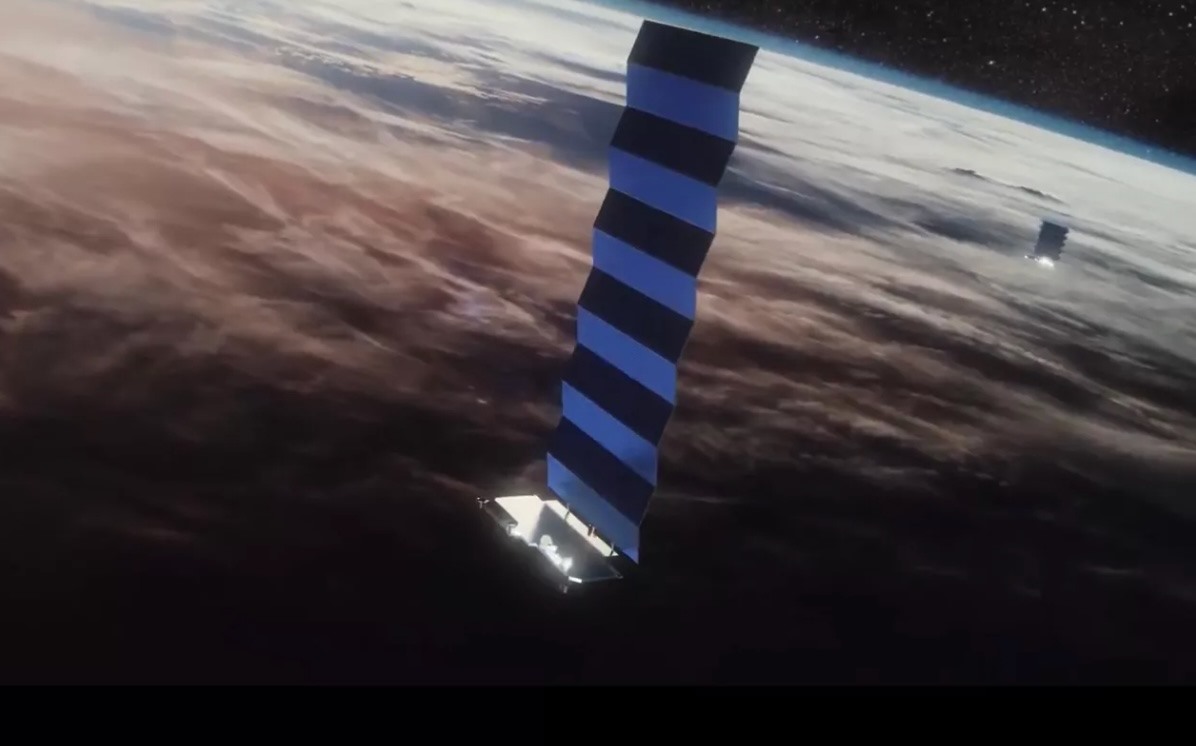
Tia laser là một phần của yếu tố làm cho phạm vi phủ sóng rộng của Starlink trở nên khả thi. Trước đây, nếu muốn sử dụng hệ thống internet vệ tinh Starlink, bạn phải có một trạm thu mặt đất của SpaceX trong vòng vài trăm dặm. Trong khi công việc của vệ tinh vẫn là kết nối thiết bị đầu cuối Starlink với các trạm mặt đất, SpaceX đã làm cho hệ thống linh hoạt hơn bằng cách cho phép các vệ tinh giao tiếp với nhau để mở rộng phạm vi hoạt động.
Bên cạnh đó, SpaceX còn phải đối mặt với vấn đề pháp lý: xin cấp phép hoạt động ở các quốc gia mà họ phủ sóng. Chỉ riêng việc này đã khiến công ty phải làm việc với hàng trăm cơ quan quản lý khác nhau, một khối lượng công việc khổng lồ.
Tuy nhiên, nếu thử nghiệm ở Nam Cực diễn ra tốt đẹp, nó có thể giúp chứng minh SpaceX ít nhất có đủ công nghệ để bao phủ cả những khu vực xa xôi nhất, mở ra tương lai mà Elon Musk đang mong muốn.