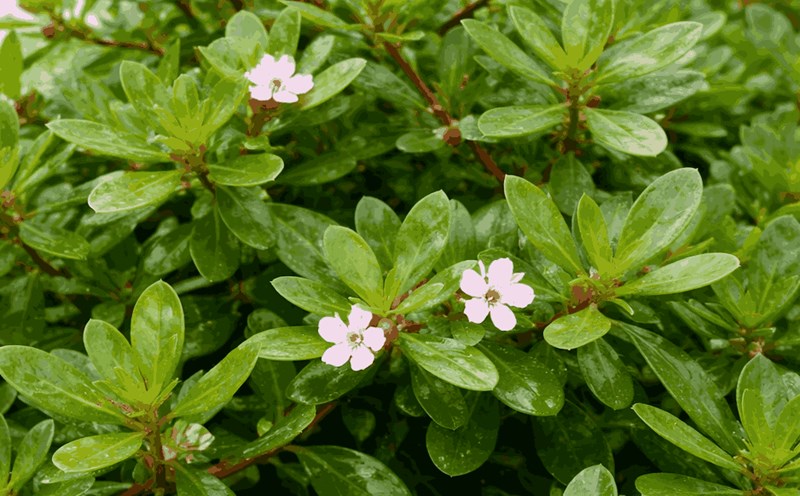
Spinach is a herbaceous plant, usually growing in humid areas such as fields, ponds and lakes. The entire stem (leaves, stem, roots, flowers) can be used as a medicinal material.
According to a review published in PubMed, spinach contains many compounds such as flavonoids, sesquiterpenoids and essential oils, which have antioxidant and anti-inflammatory properties. These compounds stand out for their antioxidant and anti-inflammatory properties - two important mechanisms in liver protection.
The plant also has the potential to protect the liver by reducing cell damage.
Oxygenated stress is the main factor causing liver damage due to alcohol, drugs and diet. Flavonoid compounds in arrowroot help neutralize free radicals, thereby reducing lipid peroxidation in liver cells.
In fact, the liver does not "excrete toxins" directly but performs a metabolic process: converting toxins into intermediate forms; combined to create water-soluble substances and excreted through bile or kidneys.
According to the National Institutes of Health, oxidative stress and inflammation are two main factors that impair liver function, leading to fatty liver, hepatitis or cirrhosis.
Extracts from plants can reduce oxidative stress and improve metabolic indicators.
Plant compounds can help stabilize the activity of this enzyme system, thereby improving the efficiency of toxic metabolism.
According to the National Institutes of Health, reducing oxidative stress and inflammation plays an important role in protecting liver function.
Spinach can reduce liver cell damage, limit inflammation and fibrosis, and support the metabolism of toxins.
Spinach is commonly used:
Decoction to drink (20-30g dry/day);
Use fresh, grind to get juice;
Combine with ingredients such as corn silk, plantain.
These methods help extract water-soluble active ingredients and are suitable for liver support goals.
It can be seen that star grass is a natural medicinal herb containing many antioxidant and anti-inflammatory compounds, showing potential to support liver protection by reducing cell damage and improving the metabolic environment.
However, effective liver care still needs to be based on a healthy diet, limiting alcohol and regular medical monitoring.