Uric acid is the final product of the purine metabolism in the body. When uric acid levels increase (hyperuricemia), urate crystals can deposit in the joints and kidneys, causing gout arthritis or kidney stones.
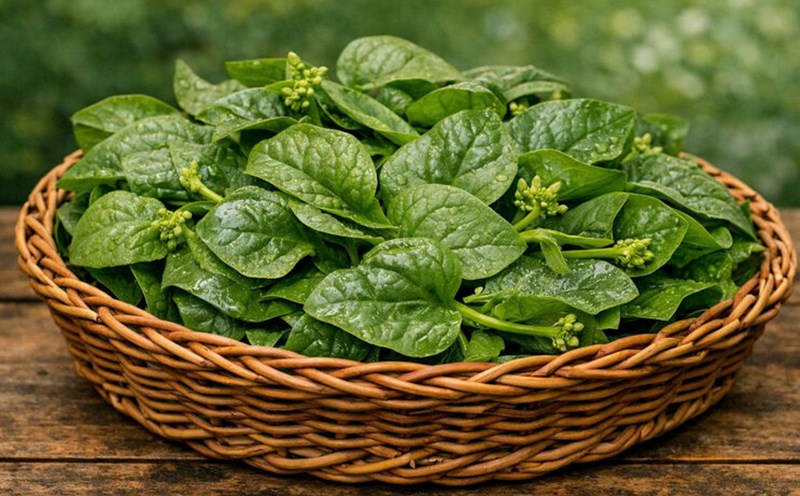
Sea basil plants contain many beneficial biological compounds such as: flavonoids, polyphenols, alkaloids and saponins, plant omega-3 fatty acids.
These compounds have strong antioxidant and anti-inflammatory properties, supporting purine metabolism.
Studies of plant groups rich in polyphenols show that they can improve metabolic disorders and reduce oxidative stress - a factor related to increased uric acid.
Some flavonoid compounds in plants have the ability to inhibit the enzyme xanthine oxidase - an enzyme that catalyzes the uric acid production process.
Recent research on natural medicinal herbs shows that plant extracts can reduce xanthine oxidase activity; reduce uric acid production in the body.
This suggests that sea purslane with similar flavonoid components may contribute to supporting this mechanism.
Another important mechanism is increased uric acid excretion through urine.
High uric acid not only causes crystalline deposition but also triggers inflammatory reactions and free radicals.
Antioxidant compounds in purslane help reduce oxidative stress, inhibit inflammatory cytokines and protect joint and kidney tissue.
This is especially important in reducing the risk of gout complications.
Thus, it can be seen that sea basil can support reducing uric acid production, increasing kidney excretion, reducing inflammation and tissue damage.
Because it contains a lot of water and minerals, this vegetable also contributes to maintaining electrolyte balance - an important factor in kidney function.
Sea basil can be used in many ways:
Cook soup or boil to make salad, eat raw;
Blend drinking water combined with lemon or mild salt.
You should eat about 50-100g of fresh vegetables/time, use 2-3 times/week.
Light processing helps retain antioxidant compounds and limit nutrient loss.
Sea basil contains many biological compounds that can help reduce uric acid through enzyme inhibition mechanisms, increase kidney excretion and fight inflammation.
Effective uric acid control still needs to be combined with a reasonable diet, drinking enough water, maintaining weight and periodic medical monitoring.