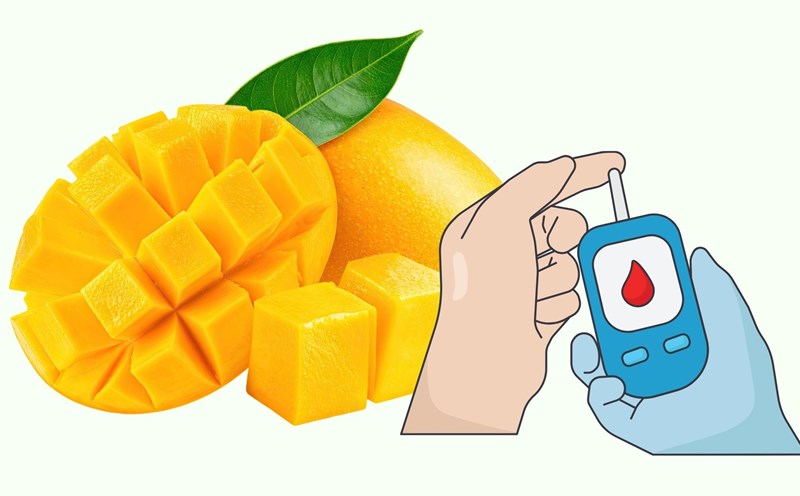
After each meal, especially meals high in carbohydrates or energy, the body will break down food into glucose to provide energy for living activities. However, evening is often the time when the level of exercise decreases sharply. When the amount of glucose is not used up, the body will convert the excess into stored fat. Over time, the habit of being less active after eating can increase the risk of belly fat, fatty liver, blood sugar disorders and metabolic syndrome.
Walking after dinner is considered a simple but effective solution to limit this condition. When muscles are active, the body will use glucose in the blood to create energy, thereby helping to reduce blood sugar after eating naturally. In particular, the habit of walking in the evening is very beneficial for overweight, inactive or at risk of pre-diabetes.
Many people believe that walking after meals is mainly for the purpose of burning calories. However, the more important benefit lies in the ability to improve the body's energy use and reduce excess glucose converted into fat. As a result, maintaining this habit for a long time can help reduce belly fat, improve insulin sensitivity and contribute to more effective weight control.
Not only that, walking after dinner also helps increase blood circulation, supports the digestive process to take place more smoothly and creates a feeling of relaxation before going to bed.
For best results, healthy people should start walking lightly for about 10-15 minutes after eating. The pace of walking should be moderate and maintained for about 20-30 minutes. Experts recommend not running or performing high-intensity exercises immediately after meals as it can cause discomfort to the digestive system.