Eat enough colors at each meal
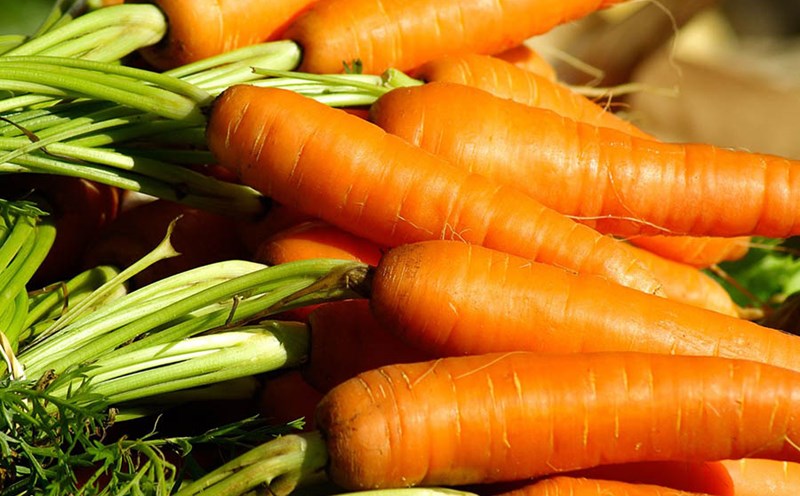
Green vegetables, carrots, tomatoes, pumpkin, corn, berries... the more colored the better. Each color provides a different group of vitamins: Green for vitamin K, orange for vitamins A and C, yellow for vitamins B and E. Try the principle of "laurel wreath meal": at least 3 colors in a plate of rice, both beautiful and helps the body absorb natural vitamins.
Each meal should have at least three natural food colors, says Dr. Aviv Joshua, a nutritionist at the New York Clinical Nutrition Institute. The more color, the richer the vitamins and minerals. A small tip is to choose vegetables and fruits seasonally, because that is when the amount of vitamins in the food reaches the highest level.
Combine the right foods
Some fat-soluble vitamins such as A, D, E, K should be eaten with dishes with oil, avocado or avocado for better absorption. For example: Vegetable salad should add olive oil, boiled carrots dipped in eggs, drink milk in the morning with peanut butter bread. These methods help vitamins "absorb" the body much more effectively.
Use more when really needed
If you eat erratically, get less sunlight or be a long-term vegetarian, you can supplement synthetic vitamins. However, you should only follow your doctor's instructions, because excess vitamin A or D is not good for the liver and bones.
A little kitchen sophistication and a scientific eating routine will help you absorb optimal, healthy vitamins without having to spend a lot on pills.