
Green beans are a familiar food in many meals thanks to their pleasant flavor and flexible combination with many different dishes, from soups, salads to stir-fried dishes. However, fresh green beans usually only achieve the best quality in winter and the peeling process takes quite a long time. This makes frozen green beans a popular choice for many busy families.
Although convenient, many people think that frozen peas are less healthy than fresh ones. To clarify this issue, clinical nutritionist Edwina Raj, Head of Nutrition Services at Aster CMI Hospital (Bangalore), said that frozen peas are generally safe and beneficial for health.
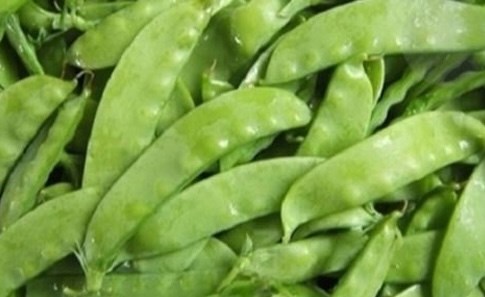
According to Ms. Raj, frozen green beans are harvested when they reach optimal ripening and are quickly freeze-dried immediately afterwards. As a result, most important nutrients are still preserved. This food provides a significant amount of fiber, supporting digestion and creating a feeling of fullness for a long time. In addition, green beans also contain vitamin C and vitamin K, contributing to boosting immunity and supporting bone health. The content of plant protein in green beans also helps maintain muscles and provide energy for the body.
A study published in 2019 showed that frozen vegetables can contain vitamin content equivalent, even higher than some fresh vegetables that have been stored for a long time. Besides nutritional value, frozen vegetables in general and frozen peas in particular also have many advantages such as being easy to process, can be stored for a long time, are present all year round and help reduce food waste. The freezing process also does not require the use of artificial preservatives.
However, experts also note that frozen peanuts can cause some mild reactions in some people. Due to being rich in fiber, this food can cause bloating or indigestion if eaten too much, especially in people with sensitive digestive systems. Some products may contain salt, so consumers should carefully read the nutrition label to avoid consuming too much sodium. In addition, improper storage can increase the risk of digestive disorders.
When comparing frozen and fresh turmeric, Ms. Raj said that both are good choices. Fresh turmeric is usually sweeter when eaten immediately after harvest, but can reduce quality if left for a long time. Meanwhile, frozen turmeric retains a stable nutritional value and is more convenient for daily use.
In terms of processing, frozen peanuts are considered minimally processed foods. They only undergo cleaning, light scrubbing and freezing steps, without adding harmful chemicals. Therefore, if you do not add salt, sugar or additives, frozen peanuts are still a suitable choice for a healthy diet.


