
Although not as hot as the peak period at the end of May, Hanoi weather in recent days still maintains high temperatures accompanied by a feeling of stuffiness, causing many elderly people to adjust their living habits to protect their health.
In which, proactively postponing exercise hours, avoiding hot sunny hours is being chosen by many people to limit the risk of stroke and cardiovascular events.
At Thong Nhat Park, Mr. Pham Hong Phu (Bach Mai Ward, Hanoi) said that the current weather is quite harsh for the elderly, especially those with underlying illnesses.
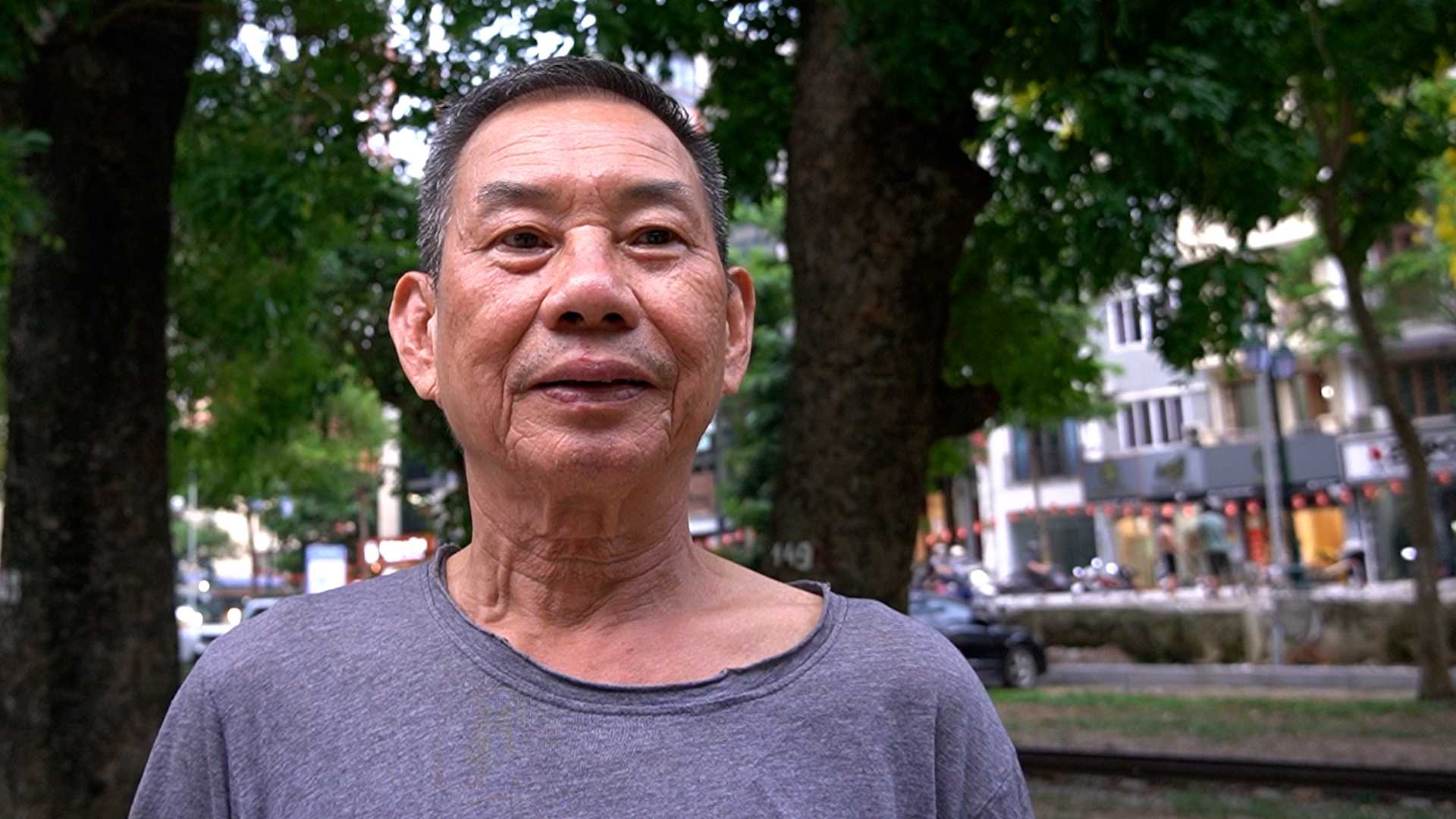
Normally I go to practice around 3:30 - 4 pm, but on hot sunny days, I switch to around 4:30 - 5 pm, that is, back to about 1-1.5 am to avoid the heat," Mr. Phu shared.
According to Mr. Phu, he has had high blood pressure and vestibular disease for about 10 years, so he is often sensitive to weather changes. On days when the temperature rises, if he stays outdoors for a long time, he can easily feel tired and dizzy more than usual.
“Some days I feel dizzy and more tired. Therefore, I have to choose a cooler time to dare to go out to exercise,” he said.
Not only Mr. Phu, many other elderly people also proactively change their exercise schedules during hot weather days. Mr. Nguyen Manh Cuong (Hai Ba Trung ward, Hanoi) said that his blood pressure is not stable, so he pays special attention to avoiding exercise during hot sunny times.
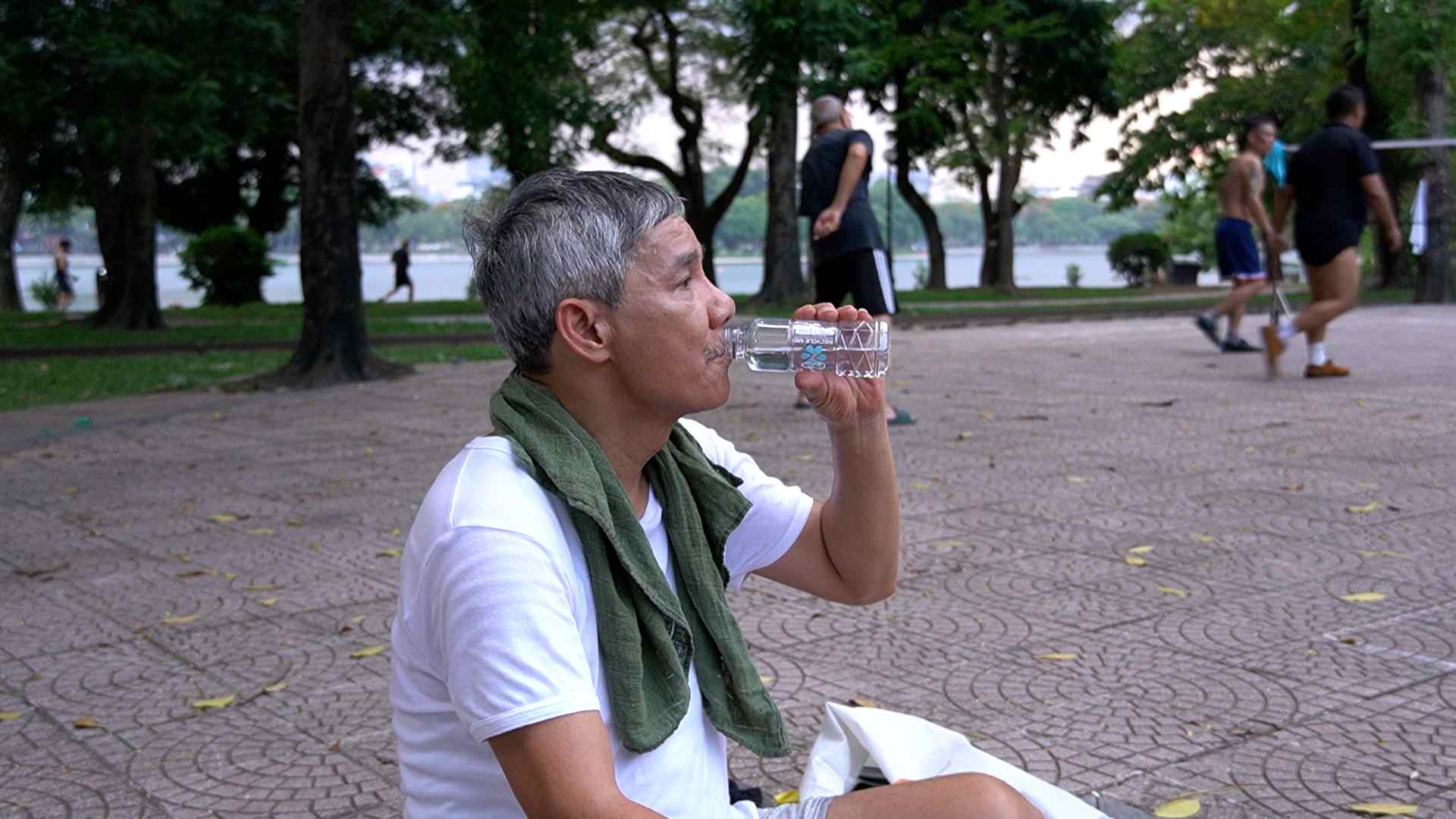
The time frame from 10 am to 4 pm is usually the hottest, so limit going out if not really necessary. At the same time, I also pay attention to wearing sweat-absorbing clothes, drinking enough water and avoiding sudden temperature changes when just returning from the sun," Mr. Cuong said.
According to Assoc. Prof. Dr. Pham Truong Son - Director of the Institute of Cardiology, Central Military Hospital 108, high temperatures can cause many adverse effects for the elderly and people with underlying diseases such as hypertension, cardiovascular disease or diabetes.
Specifically, when the weather is hot, the body loses water and electrolytes through sweat. This condition makes the blood more concentrated, increasing the burden on the cardiovascular system. At the same time, high temperatures also stimulate sympathetic reactions, causing blood pressure to rise and causing vasoconstriction.
For people who already have underlying conditions such as hypertension or atherosclerosis, these factors can increase the risk of stroke," Dr. Son warned.
In addition to stroke, hot weather can also worsen heart failure or increase blood sugar in people with diabetes due to dehydration.
To limit health risks, doctors recommend that people, especially the elderly, avoid exercising under prolonged hot sun. In addition, it is necessary to drink enough water, supplement with green vegetables and avoid allowing the body to change temperature suddenly between the air-conditioned environment and outdoors.
Signs such as crooked mouth, difficulty speaking, weakness in limbs or sudden chest pain should be considered an emergency. Patients need to go to a medical facility immediately for timely intervention.


