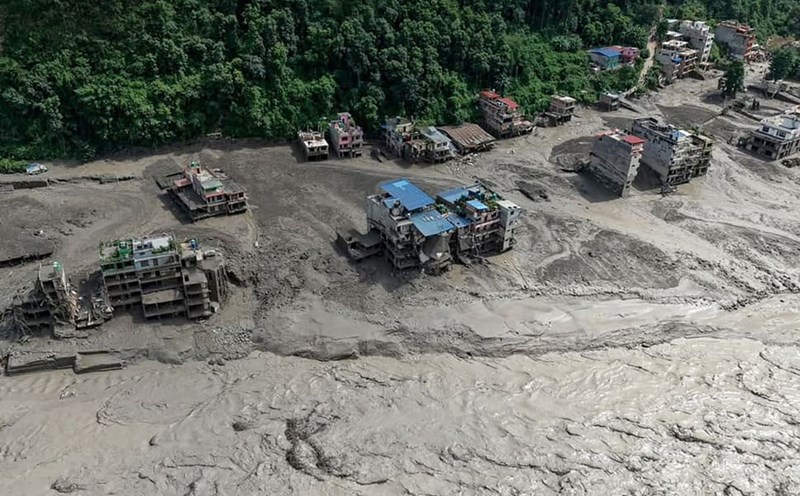
After many days of deep flooding, when the floodwaters began to recede, many families immediately returned home to clean up, collect belongings and restore daily life.
However, after floods, mud, garbage and polluted water sources can pose many health risks.
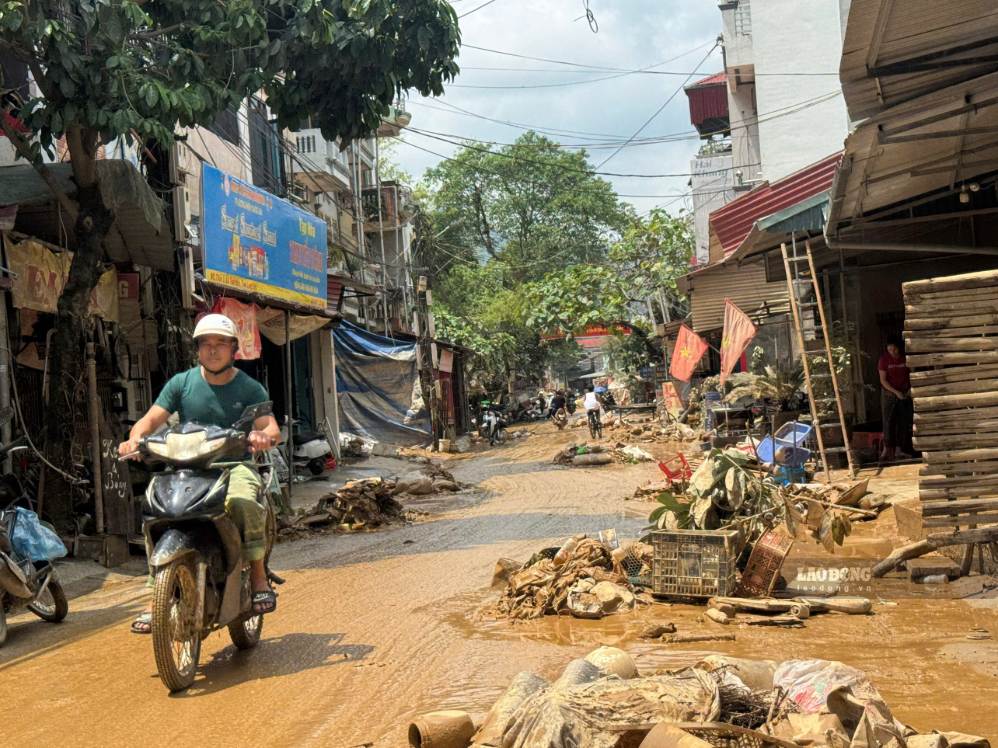
After 2 days of flooding due to rising floodwaters, Ms. Nguyen Thi Huong's family (That Khe commune, Lang Son province) quickly started cleaning up.
According to Ms. Huong, wherever the water recedes, the family uses brooms and shovels to collect mud and soil there, to prevent mud from drying and spreading dust in the house.
My house was flooded for nearly two days. When the water started to recede, the whole family divided up, some shoveled mud, some washed the floor, and some packed things.
Where the water recedes first, clean it up first, not wait for the water to recede completely before doing it because there is a lot of mud and soil," Ms. Huong shared.
After the mud and soil are removed, her family continues to scrub the floor, walls and surfaces that are frequently exposed. Items that cannot be cleaned or have been damaged by floodwaters are sorted out to be discarded.
House cleaning and disinfection is a particularly important step to limit the development of bacteria and mold. Appropriate detergents and disinfectants, follow instructions and wear gloves, boots, and masks when cleaning.
For the family of Mr. Tran Van Minh (Trang Dinh, Lang Son), the most concerned issue after the water receded was not furniture but domestic water. The family's well was flooded for a long time.
After the flood, the house can be gradually cleaned up, but the water cannot be subjective. The well water can be clear to the naked eye, but the family still does not dare to use it directly for eating and drinking," Mr. Minh said.
His family temporarily uses supported clean water for drinking, cooking and brushing teeth. Unchecked water is only used for appropriate hygiene needs. The family also cleans the well area and waits for the water source to be treated and checked before using it again.
This is a particularly important note after a flood. Flooding water can carry waste, chemicals, microorganisms and many other sources of pollution. Drinking water needs to be safe. If contamination is suspected, people should not use it directly.
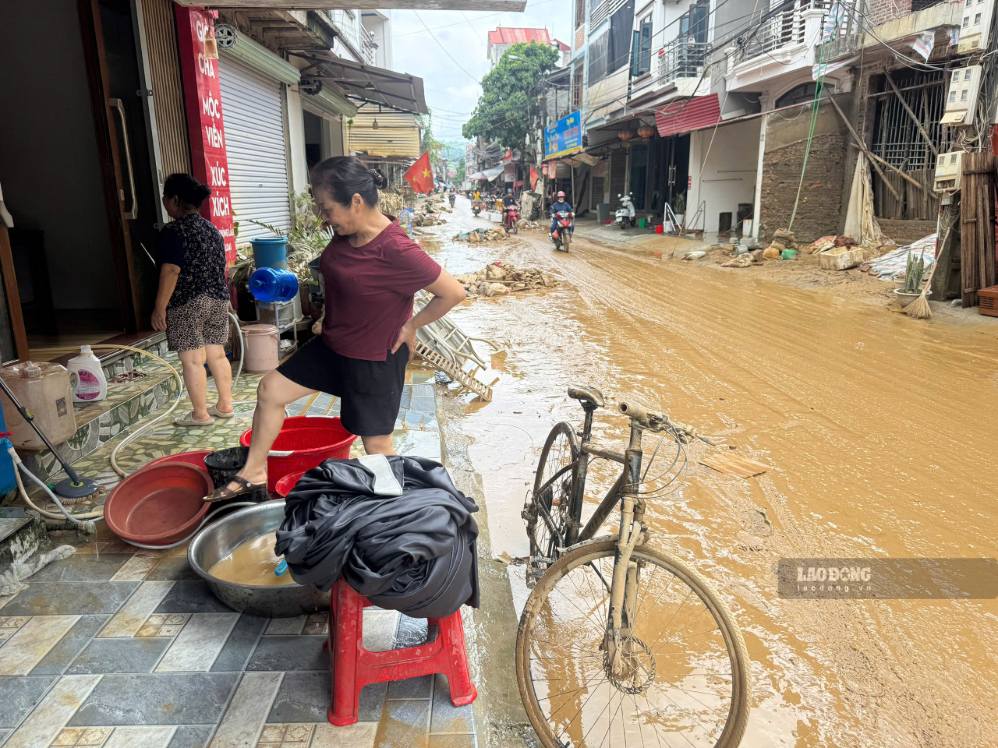
In the early days after the flood, families should also prioritize restoring essential areas first, such as cooking areas, bedrooms and toilets.
Food that has been in contact with floodwater, especially food that is not packaged tightly, needs to be carefully checked and removed if there is a risk of contamination.
Post-flood cleaning is often not possible to complete in one day. Therefore, instead of trying to do it all at once, families can do it in areas.
Wherever the water recedes, clean it up, mud and soil are removed first, then scrubbed and disinfected. More importantly, it is necessary to keep drinking water and domestic water safe. At the same time, inspect power sources before putting them into use.