
On the morning of the 2nd day of Tet, Ms. Le Minh Phuong (Quang Ngai) was receiving guests at the beginning of the year when karaoke music rang out from a neighbor's house next door. Initially, the volume was just enough to listen to, the voice was a bit off-key, wrong lyrics, making everyone laugh for fun.
But not long after, the music grew louder. Then another house a distance away turned on the speakers, and the house opposite also joined in. Three overlapping sound sources, echoing into the quiet space of the early morning of the year, made Ms. Phuong uncomfortable, especially when her family member was being treated for a serious illness and needed rest.
Everyone wants to have fun during Tet, and my family does not object to neighbors singing. But turning the volume too high is very tiring, and there are 2-3 karaoke bars at the same time. My family members are sick and need quiet, but the music keeps coming in from morning to noon. I am hesitant to contribute ideas, because at the beginning of the year everyone wants to maintain harmony," Ms. Phuong said.
Ms. Phuong's story is not unique. During Tet days, passing through many residential areas, it is not difficult to encounter the scene of families turning on loudspeakers, a large-capacity karaoke system, singing from morning to night. Some families consider it a way to "open spring", an activity to connect family and friends.
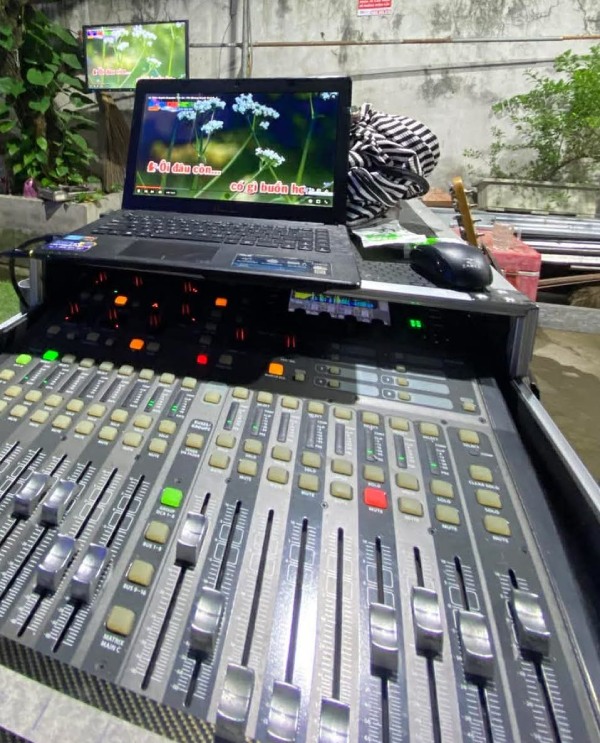
However, when the volume is pushed to the maximum level, off-key voices combined with alcohol easily turn personal pleasure into common annoyance.
For the elderly who need rest, young children who need midday naps, or people with cardiovascular diseases, high blood pressure, prolonged noise for many hours can directly affect health.
Scrolling through social networks during Tet days, it is not difficult to encounter posts and comments complaining about the noise situation from karaoke in residential areas.
Bạn Thảo Phan bình luận trên một diễn đàn cộng đồng: "Mệt mỏi khi về quê ăn Tết mà nhà đối diện hát ngày hát đêm, sợ hãi. Nói thì mất lòng mà họ không nghe, không nói thì nhức đầu mệt mỏi".
Another user - account Hai Nguyen - recounted a tougher handling: "When I returned to my hometown, karaoke was'all over the place', unbearable. Whoever had a phone number, I called to remind them, whoever didn't have a number and didn't want to show up, I called the commune police. Therefore, on the 29th, the 1st day of Tet, I didn't see anyone sing anymore".
From a management perspective, the law has clear regulations. According to Decree 282/2025/ND-CP, acts of causing noise and disturbance in residential areas and public places from 10 pm to 6 am the next morning may be subject to a warning or a fine of 500,000 to 1,000,000 VND.
Outside this time frame, if the noise level exceeds the technical regulations according to Decree 45/2022/ND-CP, the violator may still be administratively fined at a much higher level, depending on the noise level measured by dBA.
Karaoke singing is not prohibited, but limits need to be followed so as not to affect the surrounding community.
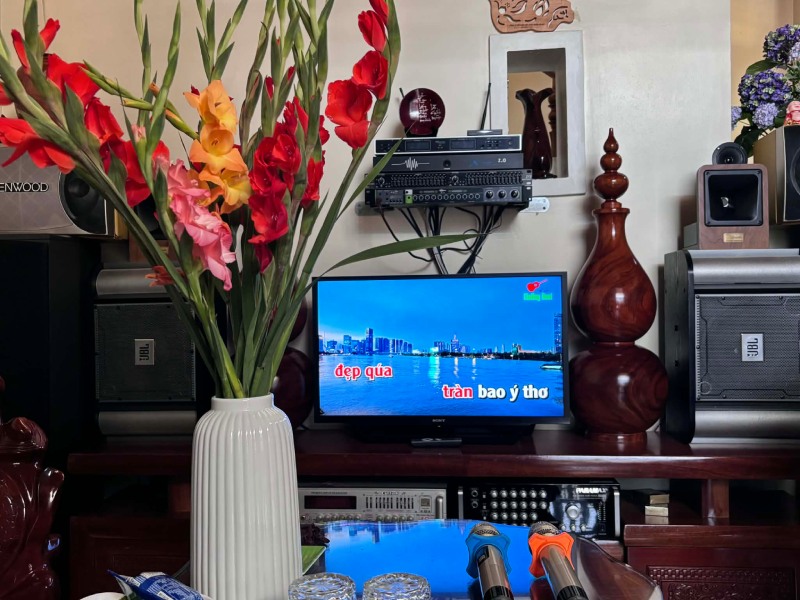
From another perspective, karaoke is also a part of modern cultural life, especially during Tet holidays when people have time to gather. Singing for entertainment, to connect family and friends is a legitimate need.
The problem lies in how to behave with the common space. Karaoke culture is to adjust the volume, time and space to suit. A loudspeaker system just enough to listen to, a reasonable time frame, or simply asking for permission from neighbors before organizing a party can also avoid unnecessary conflicts," Ms. Minh Phuong said.


