
In 2024, the Vietnamese song reaching 1 billion views (views) on YouTube was named "One Duck". This is a children's song with a fun, easy-to-remember, easy-to-remember melody, which most Vietnamese audiences have memorized by heart.
One Duck" was recorded and made into a video by child singer Xuan Mai when she was only 3 years old, in 1998.
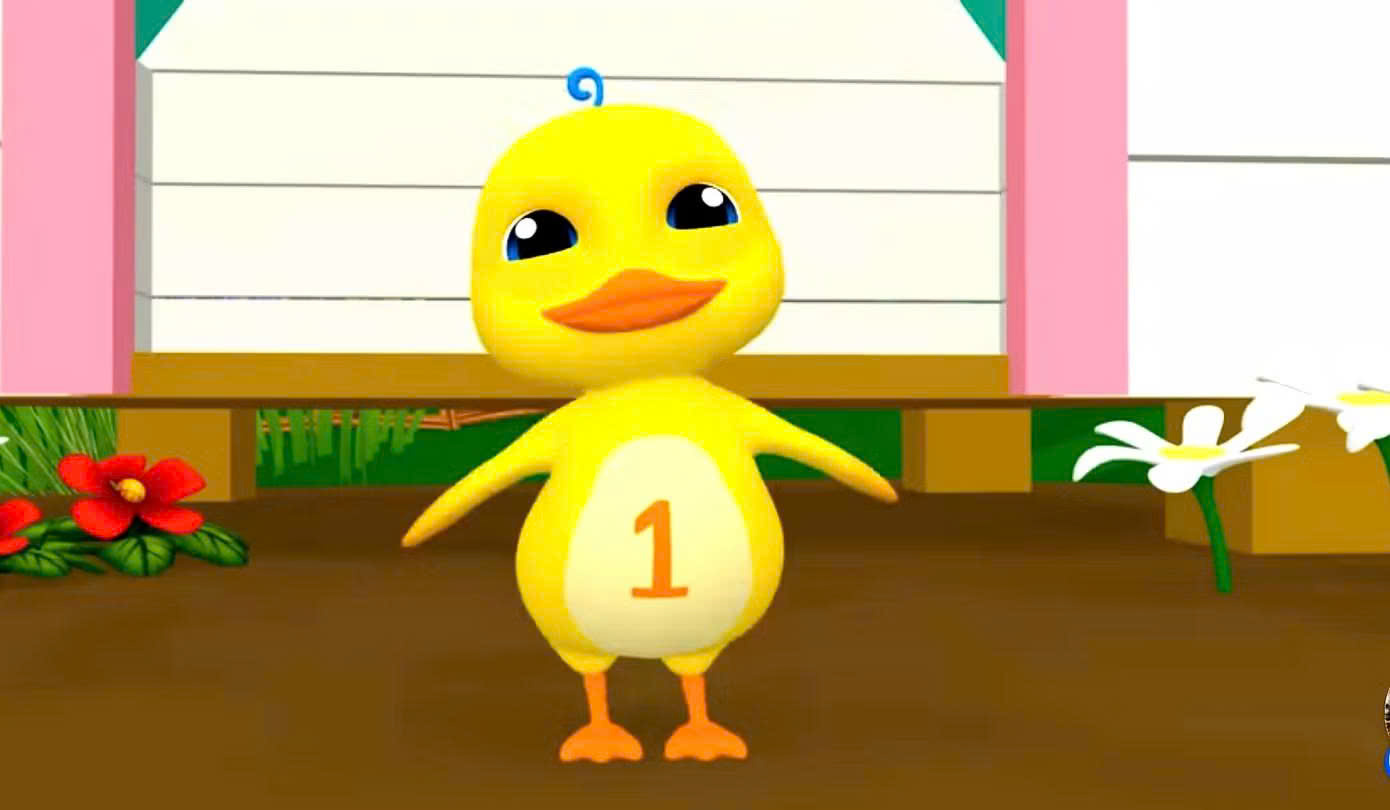
The MV "One Duck" is produced quite simply, rudimentarily with images of cute yellow ducks appearing throughout. Many viewers call this a "national weaning" song because it is loved by children and listened to every day.
Children's music always dominates large views because of the "force" of young audiences, "milking" audiences with superior viewing intensity. In 2022, the English version of the song "Baby shark" reached 10 billion views on YouTube and became the most viewed video in the world.
Currently, the MV "One Duck" reaching billions of views has... disappeared on YouTube. Many channels continue to re-produce and re-upload this MV such as "Con heo dat", "Bon Bon Song", "Heo con"... Among them, the MV "Golden Duck" posted on the "Heo con" channel in 2025 has reached 309 million views.
The song "A Duck" is always introduced as belonging to author Kim Duyen. But, who is Kim Duyen? For a long time, information about author Kim Duyen has always been a mystery.
On search engines, there is almost no information about author Kim Duyen.
With the music scene, many musicians have answered that they do not know who Kim Duyen is, and all information about author Kim Duyen is just speculation.
Musician Do Hong Quan once affirmed that he does not know who author Kim Duyen is, and this author is not on the list of the Vietnam Musicians Association.
According to musicians, the song "One Duck" popular in the 60s-70s of the last century, has had a very long "lifespan".
Poet Tran Dang Khoa said that from 1962 - when he was very young, he knew and sang this song. However, the poet also did not know who Kim Duyen was, and only speculated "maybe it was a kindergarten teacher".
The question is, when a series of MVs produced from the song "One Duck" reach hundreds of millions, billions of views, who will own the copyright money of this song, who will benefit?
According to young musician Ngo Lan Huong - the owner of the hit "Walking in the Bright Sky", platforms like YouTube often have an automatic payment mechanism for copyright.
YouTube will deduct a portion of the channel's advertising revenue to pay copyright fees. However, these copyright fees are usually paid to authorized units (collective), and YouTube does not work with individual musicians.
To receive copyright money, musicians must be very knowledgeable about the "rules of the game" of platforms like YouTube, must grasp the situation - developments of exploiting songs composed by themselves in the digital space.
There have been cases where units claimed to be authorized by musicians to collect copyright fees, but in reality musicians were unaware.
The song "A Duck" is said to have been composed in the 1960s, at that time the copyright registration of works was probably very different from now. Not to mention, author Kim Duyen does not know what job she does or where she works.
So, who benefits the most when this song is being effectively exploited on digital platforms?
How did the channels exploiting and producing the MV "One Duck" that earned hundreds of millions, billions of views apply for copyright for the work?
According to reporters' findings, to participate in YouTube's money-making program, the channel must reach: at least 1,000 subscribers; 4,000 hours of views (in 12 months) or 10 million Shorts views (in 90 days).
In Vietnam, each 1,000 advertisement views (CPM index) usually brings in from 0.5 USD - 0.7 USD (possibly up to 1 USD depending on the time).


