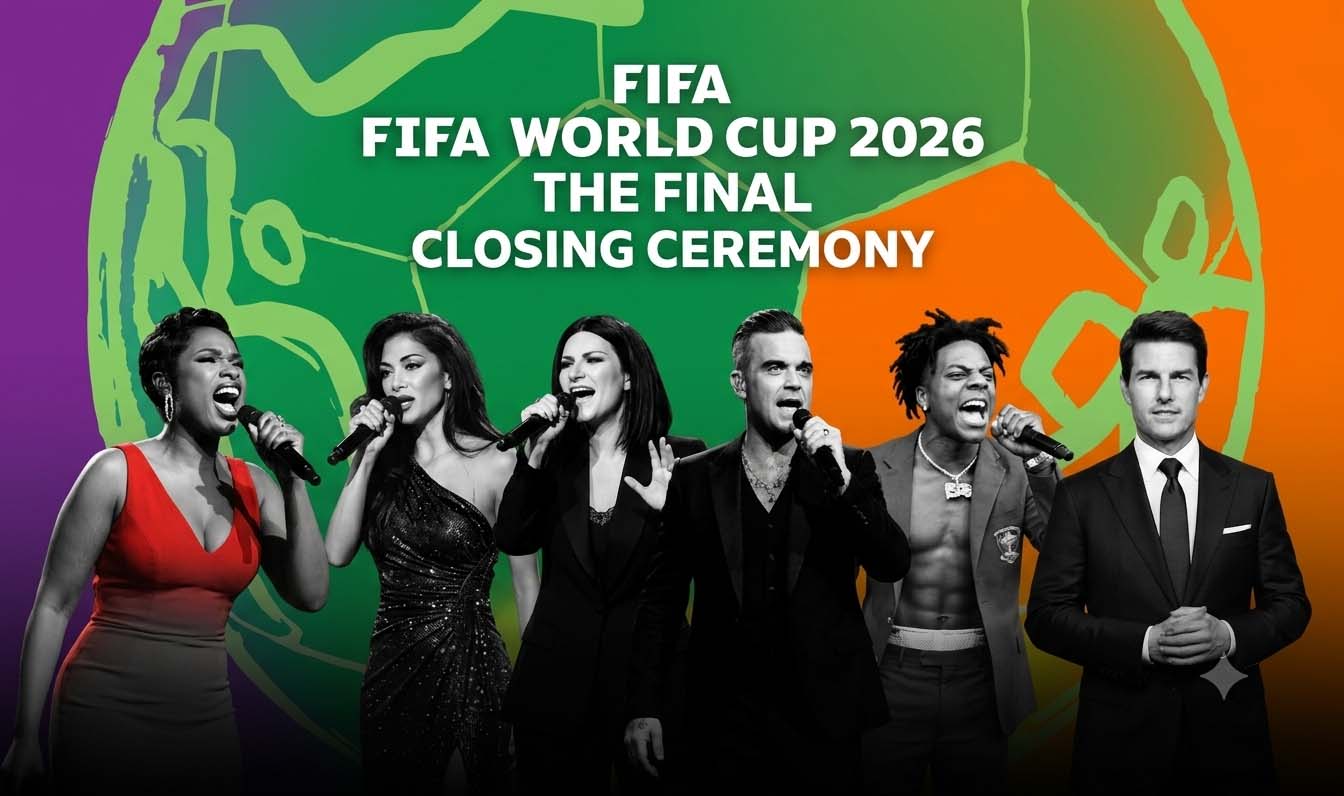
FIFA continues to reveal the names that will participate in the 2026 World Cup final when confirming that actor Tom Cruise will appear at the closing ceremony, along with Robbie Williams, Laura Pausini, Jennifer Hudson, Nicole Scherzinger and streamer IShowSpeed.
Previously, the World Football Federation also announced the halftime show artists including Madonna, Shakira, BTS, Justin Bieber, Burna Boy, Coldplay, PS22 Chorus and conductor Gustavo Dudamel.
The gathering of a series of stars of music, cinema and content creators shows FIFA's ambition to bring the World Cup final outside the framework of a sporting event. For the first time in history, the gold cup day is built as a global-scale entertainment festival, combining football, music and popular culture.
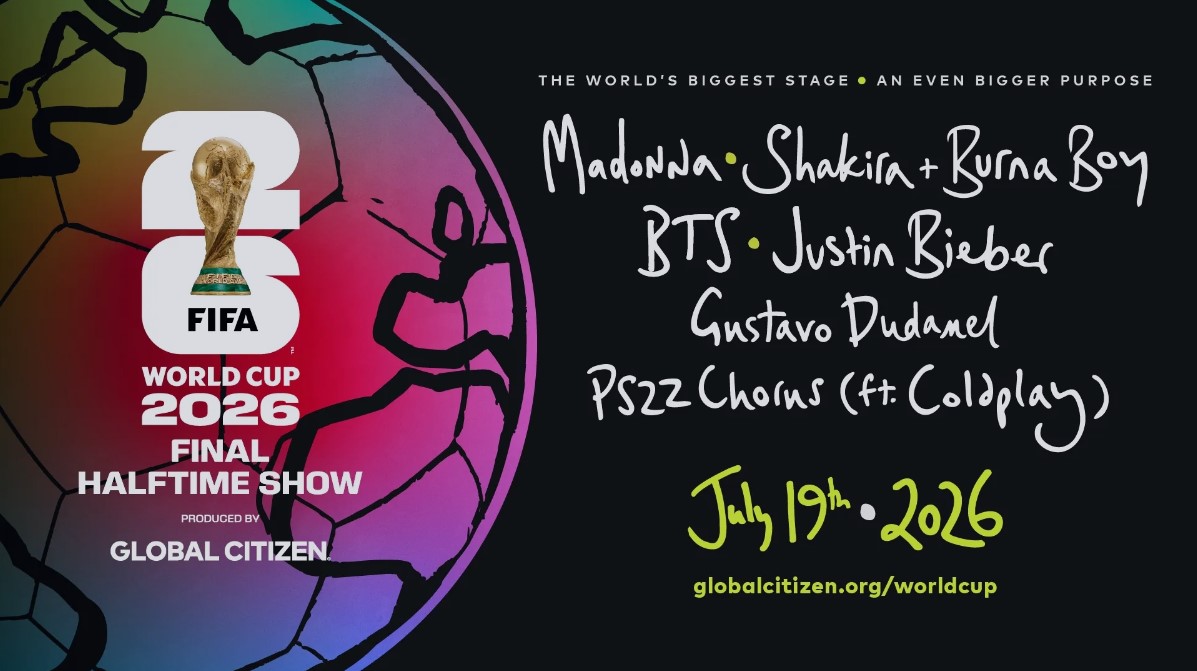
The most notable new point is the halftime performance - something that has never appeared in nearly a century of World Cup history.
From the first World Cup in 1930, finals only had an opening ceremony before kick-off and a trophy ceremony after the match. The break between halves was always for players to rest and the coaching staff to adjust tactics. However, the 2026 World Cup will break this practice when FIFA for the first time brings a music program in the middle of the match, inspired by the "halftime show" model of the Super Bowl.
To realize the plan, FIFA cooperated with Global Citizen and invited Chris Martin - Coldplay's leader - to participate in building the program. The performance is expected to last about 11 minutes, but the total half-time break time will be increased to about 30 minutes to serve the installation and dismantling of the stage. This is a controversial decision when it exceeds the 15-minute break time according to current Football Laws.
Before the 2026 World Cup, FIFA tested this model in the final of the 2025 FIFA Club World Cup. At that time, the performance program of Coldplay, Doja Cat, Tems, J Balvin and Emmanuel Kelly made the break between halves last up to 24 minutes and 9 seconds. The positive effect from the event is considered a premise for FIFA to apply it at the biggest football festival on the planet.
With the extended half-time break and the rituals before and after the match, the 2026 World Cup final is predicted to have the longest total time in the history of the tournament. According to international media, the trophy ceremony performed by FIFA President Gianni Infantino and US President Donald Trump is likely to take place around midnight local time.
The selection of performing artists also reflects FIFA's strategy to expand its appeal. Madonna has been a symbol of pop for more than four decades, Shakira is associated with many iconic World Cup songs, Justin Bieber is one of the most influential pop stars in the world, and BTS is considered the most successful K-pop group in the international market. Burna Boy is a pioneer in bringing Afrobeats globally, while Coldplay not only performs but also directly participates in building artistic ideas for the program.
The closing ceremony before the match was also invested on an unprecedented scale. Robbie Williams is a singer associated with many international sports events, Laura Pausini is one of Italy's most famous artists, Jennifer Hudson - winner of the Oscars and Grammys - will perform the American national anthem, and Nicole Scherzinger and IShowSpeed represent the appeal of contemporary popular culture. The appearance of Tom Cruise continues to expand the influence of the final match to the film industry.
If previously, World Cups were often remembered through official songs or opening ceremonies, then World Cup 2026 marks a turning point in FIFA's way of building experiences for the audience. The final is no longer just a competition between the two best teams in the world but has also become a stage gathering leading names of music, cinema and digital media.
Bringing the "halftime show" to the final still creates many mixed opinions. Some fans worry that the World Cup is being affected by the US entertainment model, while many opinions believe that this is a suitable step to enhance the audience experience and increase the spread of the tournament.
Despite the debate, the 2026 World Cup is still expected to open a new chapter in the history of the tournament, where football and the entertainment industry are combined for the first time on an unprecedented scale.