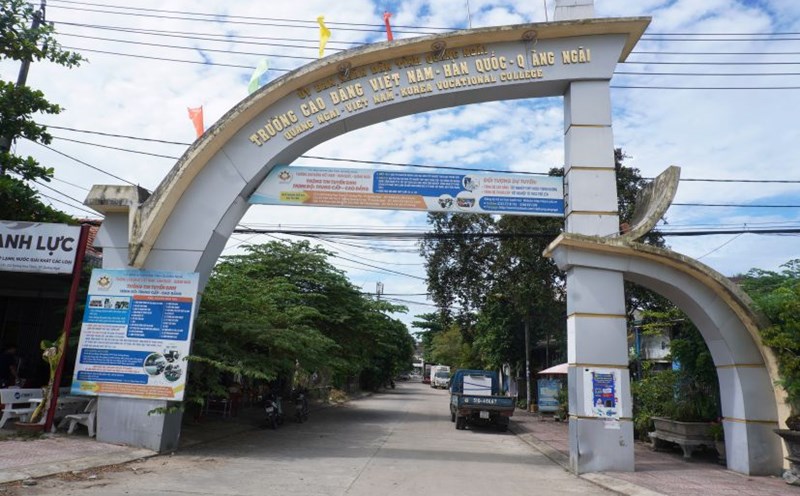
On January 1, many lecturers (GV) of the school angrily said that only when the press spoke out to reflect the situation of salary debt, social insurance debt... did the school hurriedly manage to pay a part of the salary to teachers.
The fact that teachers are only allowed to receive salaries after the press speaks out reveals a worrying reality, if there is no pressure from public opinion, the legitimate rights of workers are very likely to continue to be forgotten.
However, the salary just paid is just the tip of the iceberg. Behind it are still two months of unpaid salary at the end of 2025, four months of social insurance debt and especially overtime teaching money owed for... decades.
The total debt is about 8.5 billion VND, a figure that shows that the current operating model has exceeded the endurance of a young public school, which was inaugurated in 2016, has not had enough time to accumulate brands, and has not yet created sustainable revenue.
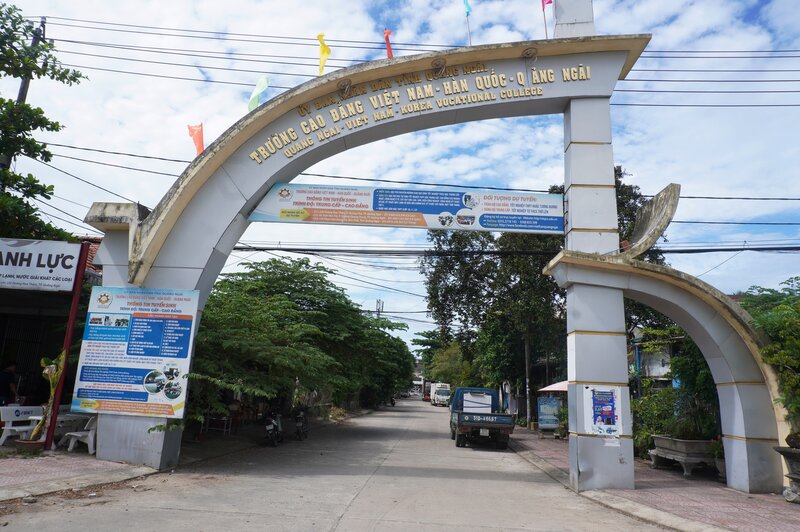
One of the root causes of the debt vortex lies in the 100% financial autonomy mechanism applied since 2023. When revenue almost only relies on tuition fees in the context of increasingly difficult enrollment, while compulsory expenses such as base salaries increase, forcing schools to "support themselves" is no different from pushing a young vocational training institution into an unbalanced game.
100% autonomy is only suitable for units with strong brands, stable scale and diverse revenue sources. Applying this mechanical mechanism to a school that is still struggling to affirm its position, inevitably pushes the school into a vicious cycle of debt, with no way out.
More worryingly, the internal organizational structure is revealing a serious imbalance. Currently, the school has about 50 lecturers directly teaching, but there are up to 30 administrative - management staff.
This rate is much higher than the common rate in public colleges, even 2.5-4 times higher than the usual rate of only 15-25%; while in financially autonomous units, this number is usually below 20%.
Each delay in salary not only erodes the lives of teachers but also affects the quality of training. It is impossible to demand wholehearted teaching from people who are inherently the pillar of the family, but even the income next month is a question mark.
This is when Quang Ngai Provincial People's Committee looks directly at reality because the 100% autonomy mechanism is not suitable for the capacity and practical conditions of the school. Continuing to maintain this mechanism is not empowering, but pushing risks to the workers, causing the school to sink deep into crisis.
Adjusting the level of autonomy down to suit reality is not only a fundamental solution, but also the management responsibility of a public education unit. It is impossible to let a school "swim on its own" amidst the debt vortex, while their mission is to train human resources. And even more impossible to let teachers, who are at the forefront of the waves of education, continue to be trapped in an unreasonable and prolonged debt vortex.