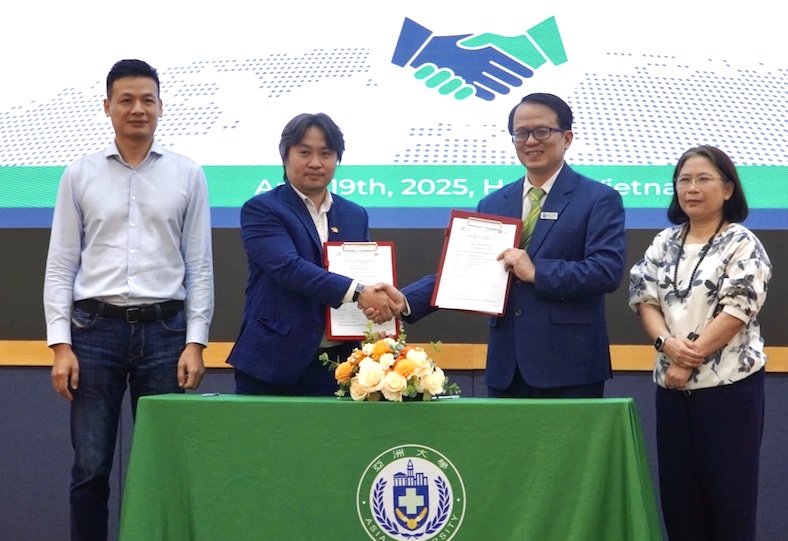
On April 19, 2025, Asia University Vietnam and FPT International University jointly organized the Workshop "Developing human resources for the semiconductor industry in Vietnam and globally".
Sharing an overview of the semiconductor industry, Mr. Do Tien Thinh - Deputy Director of the National Startup Center - emphasized that this is a fundamental technology, playing a central role in all modern electronic devices.
According to Mr. Thinh, for a country to be autonomous in technology, the prerequisite is to master the semiconductor industry. He also noted that in the US, core technologies such as semiconductors are even considered part of national security.
Regarding income, according to Mr. Thinh, the semiconductor industry in the world currently has a very competitive salary, enough for workers to feel secure in pursuing a long-term career.
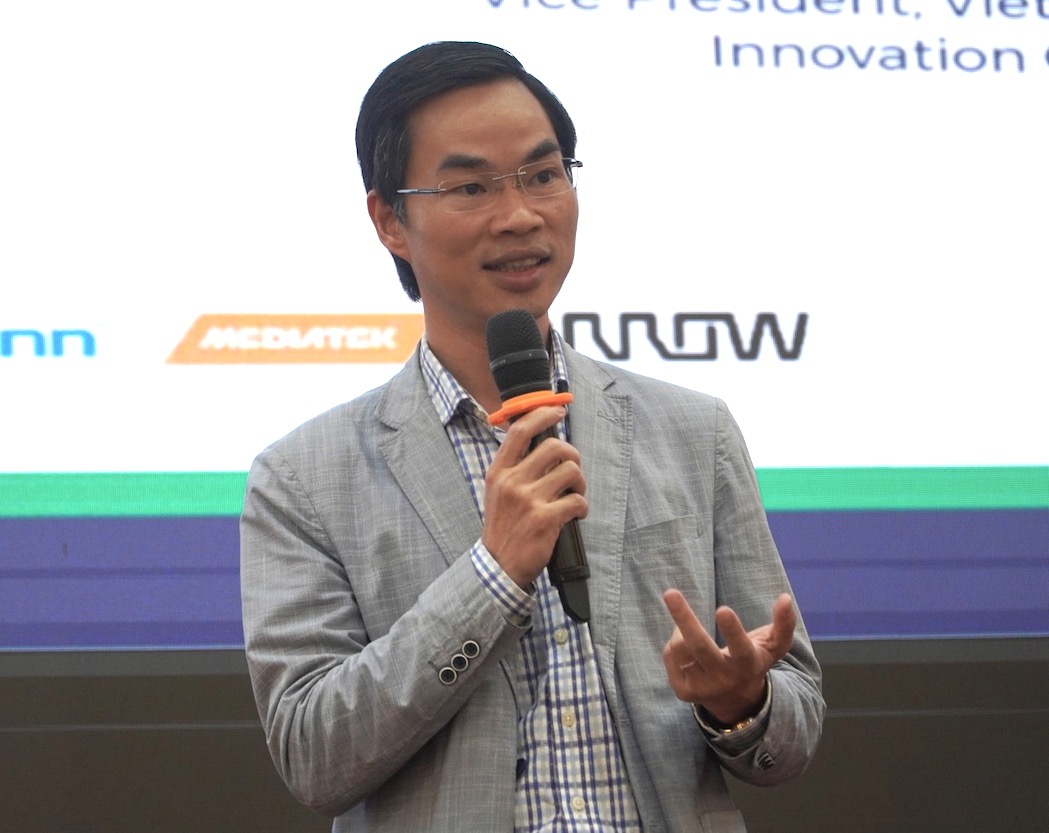
"In the semiconductor field, we believe this is a great future for Vietnam, a great opportunity for young people" - Mr. Thinh said and expected that the cooperation between FPT and Asia University Vietnam will be a solid first step in the journey to build and develop the semiconductor industry in Vietnam.
Professor Deng Wen Ling, Advisor for Science and Technology, Taipei Economic and Cultural Office (Taiwan, China) in Vietnam emphasized that semiconductor technology is an extremely potential field, playing an important role in most modern industries.
However, the current market is lacking in human resources, especially high-quality human resources. Therefore, Professor Deng Wen Ling encourages young people to quickly seize opportunities, invest in learning and developing themselves in this promising industry.
Mr. Nguyen Vinh Quang - Executive Director of FPT Semiconductor Joint Stock Company expressed concern about the current reality that after graduating, students all have to undergo a training course of 6 months to 1 year of the enterprise to meet human resource requirements.
"The reason is that there is currently no specialized training program on semiconductors in Vietnam, only on electronics. In the US, Japan... there are better training programs than Vietnam, so connecting countries is how we approach the world's programs. At the same time, it also helps candidates get better caught up in the market" - Mr. Quang shared.
Sharing the same view, Mr. Do Tien Thinh said that the connection between Vietnamese and Taiwanese (Chinese) educational and training institutions will be a strategic step to help Vietnam quickly shorten the gap and gradually affirm its position on the world technology map.
Activities such as internship programs, design orders, and product production from Taiwanese (Chinese) enterprises will help students access a real working environment, understand the needs of the industry and be ready to integrate right after graduation.
"This is a key factor to shorten the gap between training and human resource needs of the market" - Mr. Thinh said.
In addition, this expert also sent the younger generation the message: "Go let's return". The younger generation should proactively study, accumulate experience in the international environment and then return to contribute to the country's technological development.