
Ministry of Education and Training officially changes the method of surveying the quality of 5th and 9th grade students
The Ministry of Education and Training issued Circular 08/2026 regulating the nationwide wide-ranging assessment of general education quality, replacing Circular 51/2011. Accordingly, 5th and 9th grade students will participate in assessments every 5 years according to the sample method nationwide, starting from April 15.
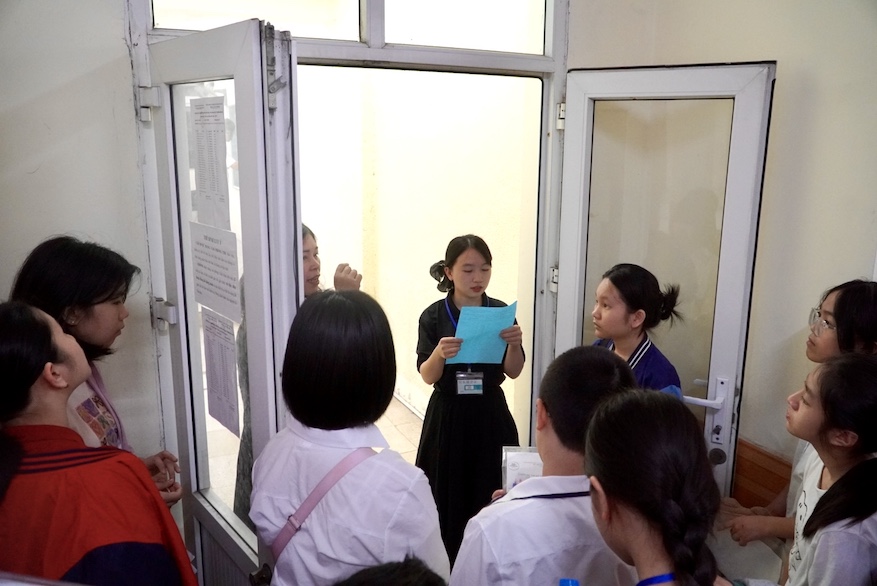
The new point of the circular is that the objective is to assess more comprehensively, not only focusing on knowledge and skills but also focusing on the qualities and abilities of students according to the current general education program. The survey is designed to be integrated, combining questionnaires to collect factors affecting the quality of education; flexible organizational forms such as doing the test on a computer, on paper or combining both.
The Circular also clearly stipulates the decentralization and delegation of power in implementation organization, from the National Steering Committee to the Provincial Survey Committee, and at the same time supplements regulations on participating in international assessment programs. The implementation aims to provide data for management, policy planning and improving the quality of general education. See more...
Ministry of Education and Training completes the legal framework for universal education, towards substantive quality
The Ministry of Education and Training is seeking opinions on the draft Decree on universal preschool education for children aged 5-6, compulsory education and illiteracy eradication to institutionalize new guidelines and regulations of the Party and laws. The draft clearly defines that compulsory education lasts 9 years from elementary school to the end of secondary school, while increasing the binding responsibility of families, schools and authorities in ensuring children complete the curriculum.
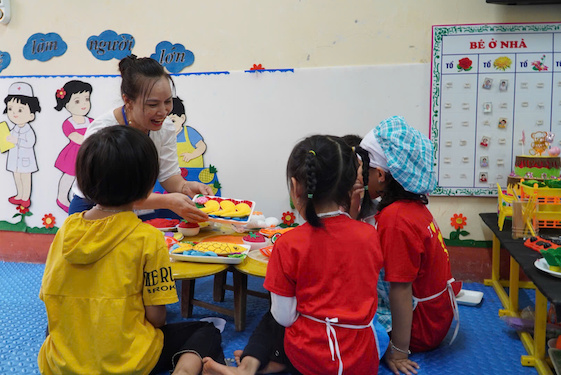
A noteworthy new point is the shift in focus from "recognizing results" to "process control", supplementing a mechanism for monitoring, managing and supporting students to limit dropping out of school halfway. The draft also specifically stipulates the standards for recognizing universal standards for individuals, communes, and provinces; clarifying the criteria for illiteracy eradication at each level, towards substance, sustainability and limiting re-illiteracy.
In addition, the decree sets out strict requirements for programs, staff, facilities, and funding; prioritizing difficult areas, ethnic minorities, mountainous areas, and islands. Strengthening the application of information technology in universal data management is emphasized to ensure that all children of school age can go to school, complete compulsory education, and narrow the educational gap between regions. See more...
Rectifying the collection of deposits and reserving enrollment places shows humanity
The Hanoi Department of Education and Training requires private high schools and high-quality schools not to collect reservation fees, deposits or illegal fees in the 10th grade enrollment for the 2026-2027 school year. This move aims to rectify the situation where many schools collect reservation fees from several to tens of millions of VND, not refunded if students do not enroll, causing financial pressure on parents.
Many parents expressed support for the new regulations, saying that collecting deposits creates additional economic burden, psychological pressure and a sense of injustice during the enrollment season. In the context of high competition for 10th grade public schools, many families register for more private schools as a backup plan, but are worried about the risk of losing the deposit if they change their decision.
Some teachers also believe that the form of "holding a place" easily causes inequality, unhealthy competition and may reduce students' learning motivation. The rectification is expected to increase transparency, ensure equal access to education and reduce financial pressure for parents. See more...


