Facilities in the inner city will be retained to serve postgraduate training
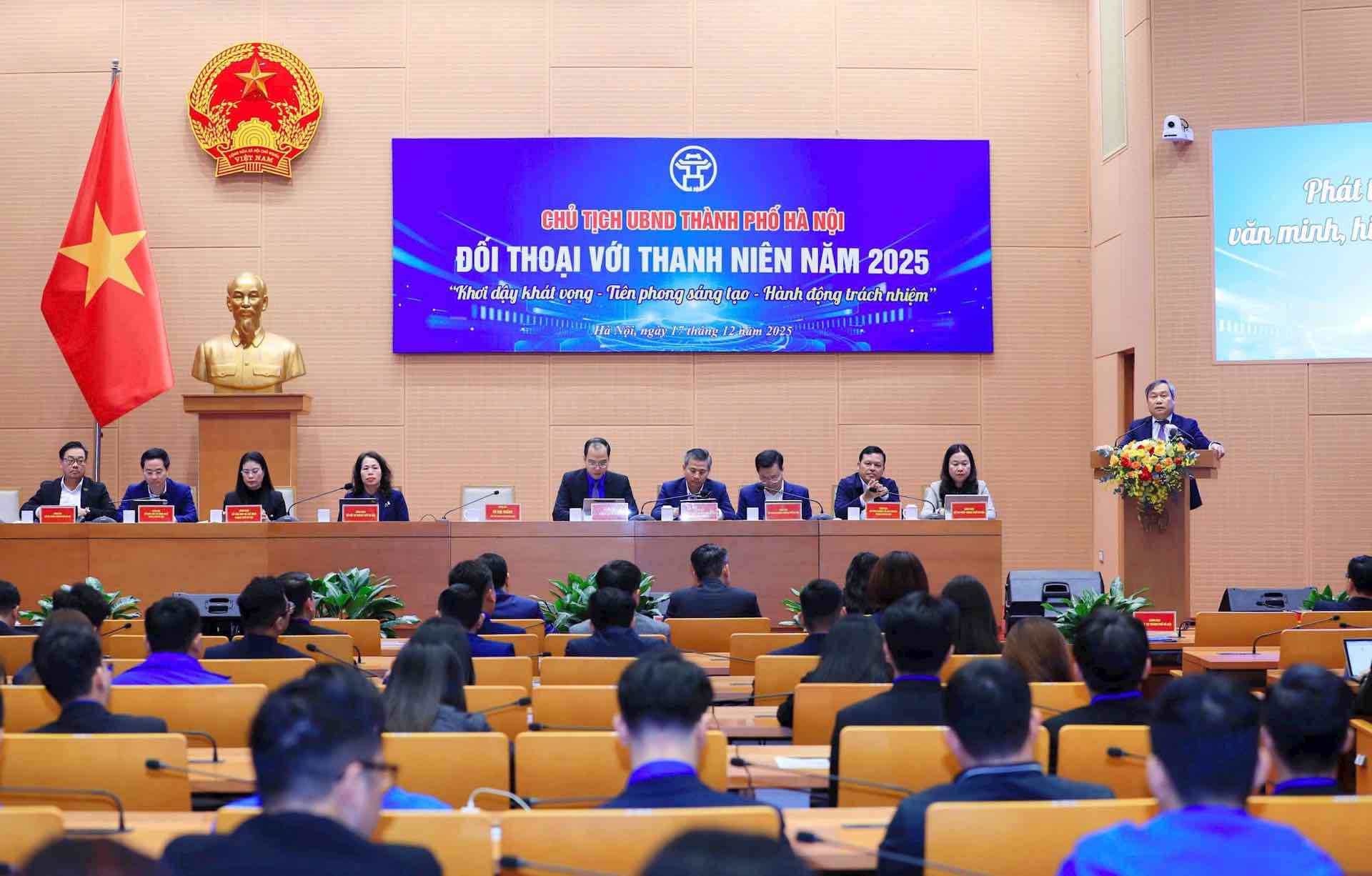
On December 17, Central Party Committee member, Deputy Secretary of the City Party Committee, Chairman of the Hanoi People's Committee Vu Dai Thang chaired a dialogue conference with the capital's youth in 2025 with the theme: "Capital youth: arousing aspirations - Pioneering creativity - Responsible actions".
The conference was attended by representatives of leaders of departments, branches and sectors of the city and more than 200 youth delegates present directly at the hall representing nearly 3 million young people in Hanoi.
At the conference, lecturer Nguyen Thi Viet Linh - Deputy Secretary of the National University Youth Union said that in recent times, the city has had a policy of relocating universities and colleges to suburban areas of Hanoi as a sustainable solution.
"So what is the upcoming roadmap for relocating universities and colleges to suburban areas and what orientations the city has to help students after relocation have a stable living and learning environment" - lecturer Nguyen Thi Viet Linh asked.
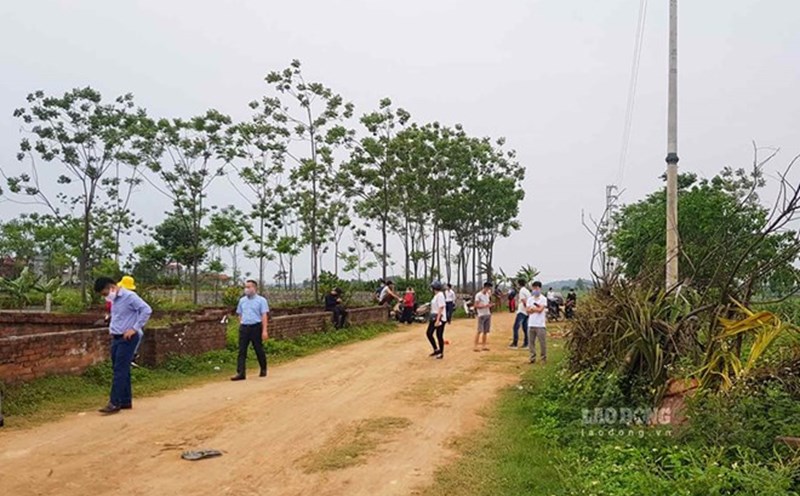
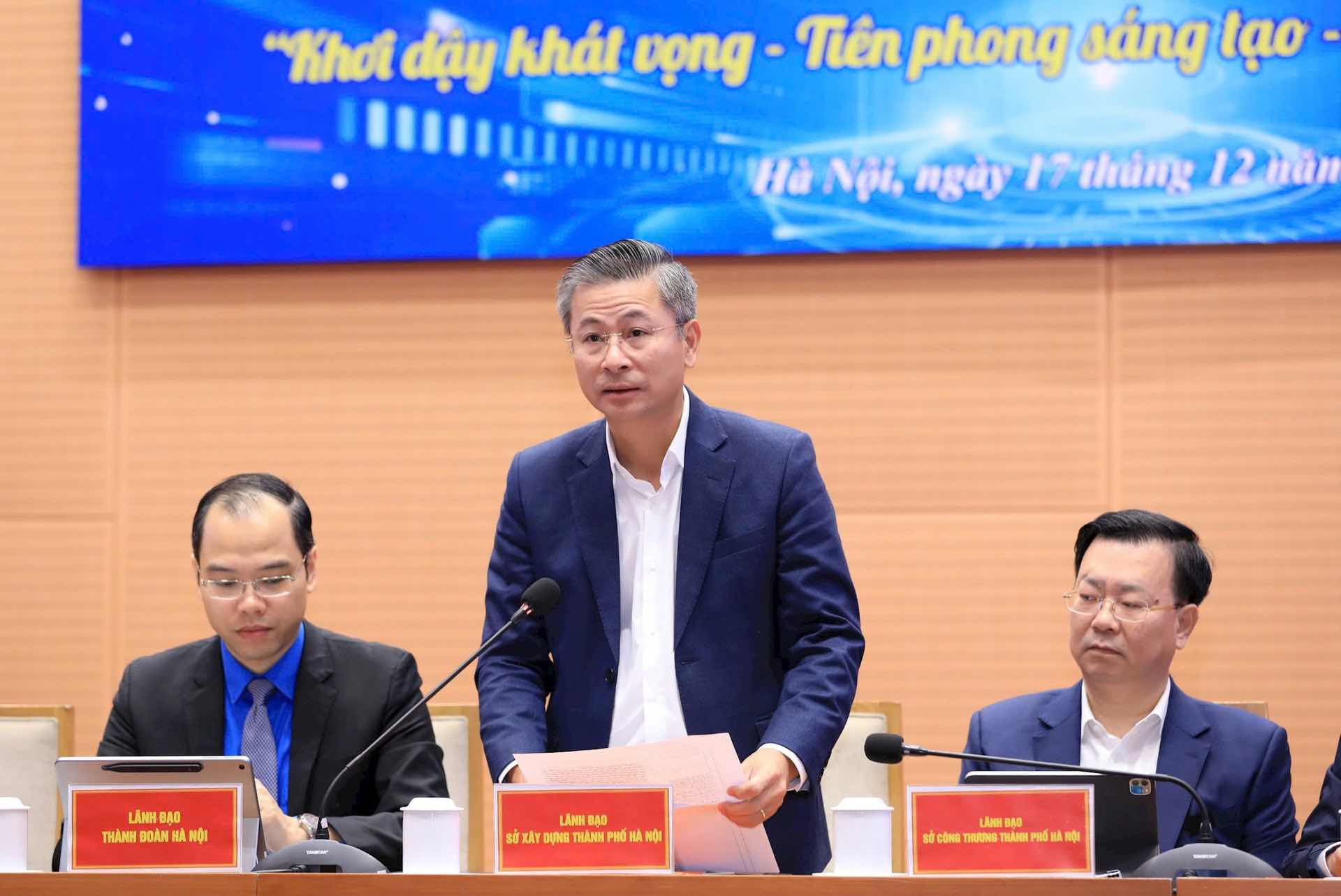
Regarding the issue of relocating universities and colleges to suburban areas, Director of the Hanoi Department of Construction Nguyen Phi Thuong said that according to the plan, Hanoi will develop according to the multi-center urban model, forming development poles. In particular, Hoa Lac Urban Area is identified as a center for science - technology, education - training, where universities, colleges, and educational - training institutions are concentrated, thereby forming a new development pole of the capital.
Regarding connecting infrastructure, it is expected that on December 19, the city will officially start construction of urban railway line 05 Van Cao - Hoa Lac with a total investment of about 74,000 billion VND, expected to be completed and put into operation before 2030. This route will create a backbone traffic axis, serving the comprehensive development of Hoa Lac urban area and surrounding areas.
Mr. Nguyen Phi Thuong said that according to the orientation, public training institutions with a large number of students will focus on satellite urban areas; while some facilities in the inner city will be retained to serve postgraduate training, scientific research and international cooperation. Relocation is associated with urban reconstruction, expanding public space, forming more parks and flower gardens, contributing to improving the quality of life of people, while reducing pressure on inner-city areas.
In the 2025-2030 period, the city aims to relocate public training institutions with a large number of students, aiming at a scale of about 200,000 students studying in new university cities, at the same time, forming training, research, and innovation centers associated with Hoa Lac High-Tech Park.
Also at the conference, teacher Nguyen Phuong Ngoc - Secretary of the Youth Union of Nguyen Binh Khiem Secondary and High School (Cau Giay) said that currently, deviant cultural products are appearing widely on social networks, especially from celebrities and influential people in society, reaching out every day to most young people and children, negatively affecting the formation of personality and moral values of young people.
What mechanisms and solutions do relevant units of the city have to limit the above situation? - teacher Nguyen Phuong Ngoc asked.
Regarding the issue of cultural deviation in cyberspace, Director of the Hanoi Department of Culture and Sports Bach Lien Huong said that the city is determined to strictly handle violations of good customs, customs, and cultural behavior. In fact, in recent times, a number of artists who have made inappropriate behavior and statements while performing in Hanoi have been punished at the highest level according to regulations, including a ban on performing in the city.
The cultural sector will continue to closely coordinate with the education sector in building a cultural space and creative space in schools, contributing to making each educational institution a healthy cultural environment, in line with the position of Hanoi - a creative city and a global learning city, comrade Bach Lien Huong emphasized.
Youth is the leading force in approaching and mastering new technology
Speaking at the conference, comrade Vu Dai Thang said that, entering the period from 2026 onwards, with a high growth target, Hanoi is expected to achieve a growth rate of about 11%, the city determined to continue focusing on developing modern infrastructure, strongly promoting science - technology, innovation and the digital economy. Therefore, young people need to be the leading force in approaching, mastering new technologies, participating in building an innovation and startup ecosystem, contributing to the effective implementation of the city's development goals.
Chairman of the City People's Committee Vu Dai Thang suggested that the capital's youth continue to strive to practice, cultivate knowledge, digital skills, foreign languages, and innovative thinking. At the same time, promote labor discipline and professional ethics; maintain political courage, sense of responsibility to the community; be ready to take on new, difficult and complex tasks set by the city's development practice.
In order for the contents of the conference to be implemented substantially and effectively, the city assigned specific tasks to agencies and units. In particular, the Department of Home Affairs presides over and coordinates with the Hanoi Youth Union and related units to research and perfect mechanisms for young people to actively participate in the process of building, criticizing and supervising public policies, especially in the fields of digital transformation, smart cities, urban data, and innovative startups. Periodically synthesize, report to the City People's Committee and promptly advise on solutions to remove difficulties and obstacles.
The Departments of Science and Technology, Finance, Culture and Sports, according to their assigned functions and tasks, proactively review and supplement mechanisms and policies on resources, open data infrastructure, youth science research support funds, start-up support and creative space. At the same time, it ensures that young people have a favorable environment to experiment and deploy new models associated with the requirements of digital transformation and the development of the capital's knowledge economy.
The Department of Home Affairs coordinates with educational institutions, businesses and Hanoi Youth Union to develop a program to connect the supply and demand of young workers; train, retrain and improve skills in the fields of information technology, artificial intelligence, data analysis, digital economy and creative services, contributing to job creation and improving the quality of young human resources in the city.