
From January 2026, all 4 laws and 2 resolutions in the field of education and training will take effect. These include important regulations on salaries, regimes, and policies for teachers.
4 laws, 2 resolutions were passed including: Law amending and supplementing a number of articles of the Law on Education; Law on Vocational Education (amended); Law on Higher Education (amended); Law on Teachers; Resolution of the National Assembly on a number of specific and outstanding mechanisms and policies to implement breakthroughs in education and training development; Resolution on investment policy for the National Target Program on modernization and improvement of education and training quality in the 2026-2035 period.
Teachers' salaries are ranked highest in the administrative and public service salary scale.
The Law on Teachers stipulates that "Teachers' salaries are ranked highest in the administrative and public service salary scale" and assigns the Government to detail salary policies for teachers.
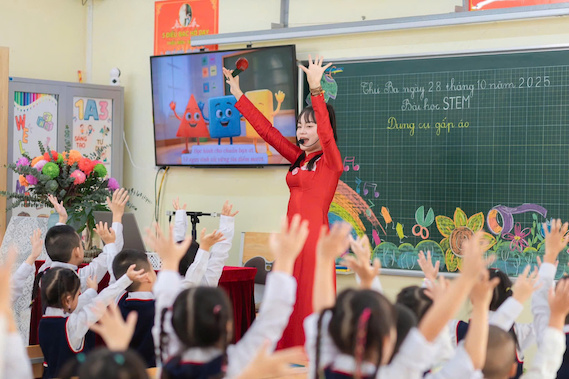
This is an important basis for the Government to have adjustment regulations related to teachers' salaries to ensure the policy of "ranking highest".
In addition, according to the provisions of the Law, teachers also enjoy additional special allowances, responsibilities, incentives, disadvantaged area allowances, inclusive education allowances, seniority allowances, mobile allowances..., contributing to improving comprehensive income.
The Law on Teachers stipulates that all teachers, both public and non-public, are entitled to allowances according to the nature of their work, by region; training and fostering support regimes; periodic health care and occupational health care support regimes; are arranged for official housing or collective housing or housing rent support when working in particularly difficult areas.
At the same time, there should be policies to attract and value highly qualified, talented, specially gifted, and highly skilled people; to work in particularly difficult areas; teachers in some key and essential fields...
In addition, the Law on Teachers stipulates: Preschool teachers, if they wish, are allowed to retire at an age not exceeding 5 years lower than the provisions of the Labor Code and are not subject to a reduction in the percentage of pension benefits due to early retirement if they have sufficient 15 years of social insurance contributions. Professors, associate professors, doctors or teachers working in specialized fields are allowed to retire at a higher age.
Resolution of the National Assembly on a number of specific and outstanding mechanisms and policies to make breakthroughs in education and training development
The National Assembly's Resolution on a number of specific and outstanding mechanisms and policies to make breakthroughs in education and training development stipulates the mechanism for recruiting, using and managing human resources in the education sector.
Accordingly, the Resolution stipulates that the Director of the Department of Education and Training has the authority to recruit and receive teachers, management staff of educational institutions and staff in preschool education, general education, continuing education, specialized schools and public vocational secondary schools (public educational institutions) in the province;
Exercise the authority to transfer, transfer, assign, appoint, change positions for teachers, educational institution management officials and staff in public educational institutions under management authority and for public educational institutions related to the scope of 2 or more commune-level administrative units in the province.
The Chairman of the Commune-level People's Committee has the authority to transfer, transfer, assign, appoint, dismiss, change job positions for teachers, educational institution management officials and staff in public educational institutions under its management,...
School staff receive professional preferential allowance for the first time
Regarding remuneration for human resources in the education sector, the Resolution stipulates: Professional preferential allowances are implemented according to the roadmap prescribed by the Government for public preschool and general education institutions with a minimum level of 70% for teachers, minimum 30% for staff and 100% for teachers working in areas with particularly difficult socio-economic conditions, ethnic minority areas, border areas, and islands.
Vocational education and higher education institutions are autonomous in deciding the additional income level for teachers, civil servants and employees from legal revenue sources outside the state budget that are left according to the provisions of law, in accordance with internal spending regulations and the unit's operating results.


