
Crossing mountains, crossing rivers to each house
In mid-August, in Trung Ly commune - a border commune of Thanh Hoa province - it is not difficult to see images of teachers coming to "knock on doors" in remote villages to mobilize students to return to school.
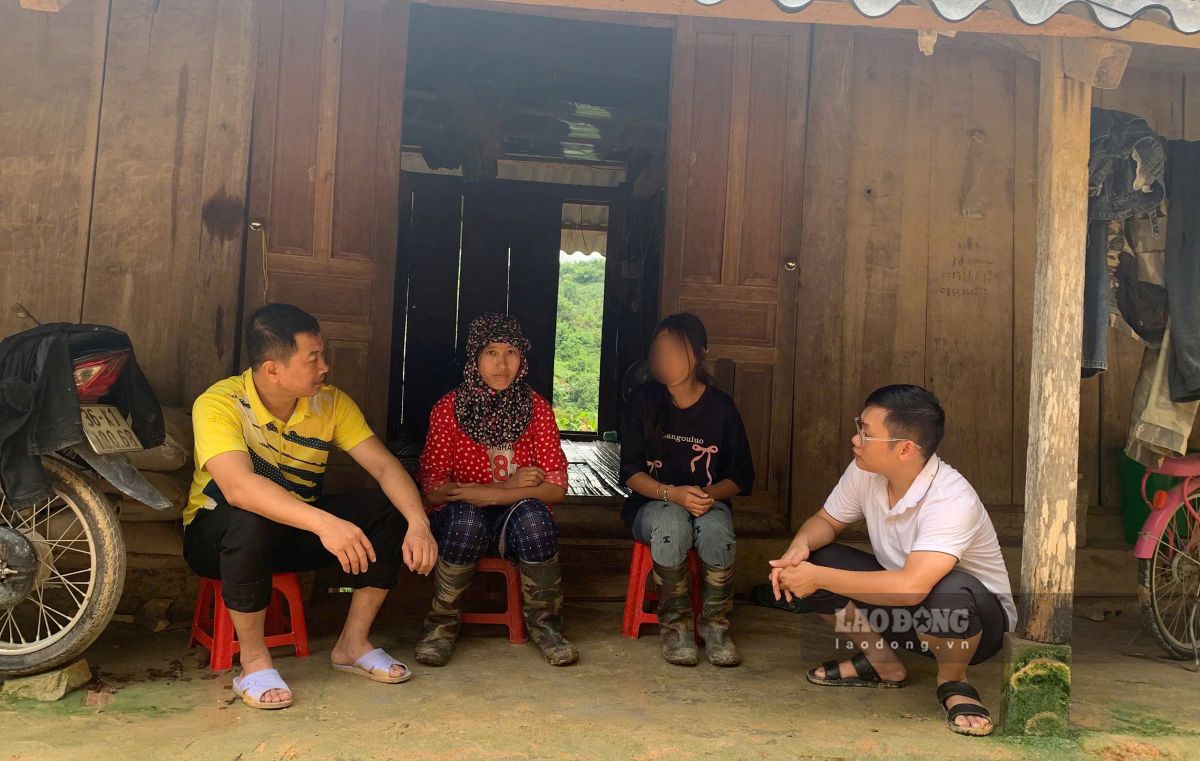
Xa Lao, Pa Quan, and Ta Com villages are located from kilometers to tens of kilometers from the commune center. The roads to the village are many dangerous sections, making travel difficult, especially during the rainy season.
Also because of the long distance, difficult economic conditions and many obstacles in life, after each summer vacation, some students are at risk of not returning to class.
Teacher Nguyen Van Cuong - teacher of Trung Ly Ethnic Minority Boarding Secondary School - said that among the villages in the area, Ta Com is the furthest from the commune center, with a distance of nearly 50km.
“To get to the village, we had to overcome a rather arduous road, crossing mountains and rivers to get there. Here, teachers went to each family with students at risk of dropping out of school halfway to talk, propagate, and mobilize parents and children” - Mr. Cuong shared.
According to teacher Cuong, only when directly in the village, going to each family, can teachers fully understand the difficulties that students are facing.
Some children have tight family finances, some children live far from school, and the road is difficult. Some children have to help their parents farm, take care of young children, or share the burden of family livelihood. These difficulties make their road to school even more difficult.
Teacher Do Viet Hoang - teacher of Trung Ly Ethnic Minority Boarding Secondary School - said that every year, around mid-August, before the beginning of the new school year, teachers in the school divide up to go to remote villages to review and mobilize students at risk of being absent from school.
When I came to their homes, I realized that amidst the hustle and bustle of difficulties, some children have to face the choice of whether to continue studying or stay home to help their families and take care of young children" - teacher Hoang said.
According to teacher Hoang, mobilization is not always favorable. There are cases where teachers have to come to the house many times, both talking with students and persuading parents to help families understand the long-term meaning of learning.
That perseverance has brought results. During the recent trip to Ta Com village, teacher Cuong and teacher Hoang mobilized 7 out of 8 female students from grades 6 to 9 who dropped out of school in the 2025-2026 school year to agree to return to school in the new school year.
Do not let students drop out of school due to difficulties
Mr. Nguyen Duy Thuy - Principal of Trung Ly Ethnic Minority Boarding Secondary School - said that before each school year, the school proactively reviews each student, especially those in difficult circumstances or at risk of dropping out of school after the summer vacation.
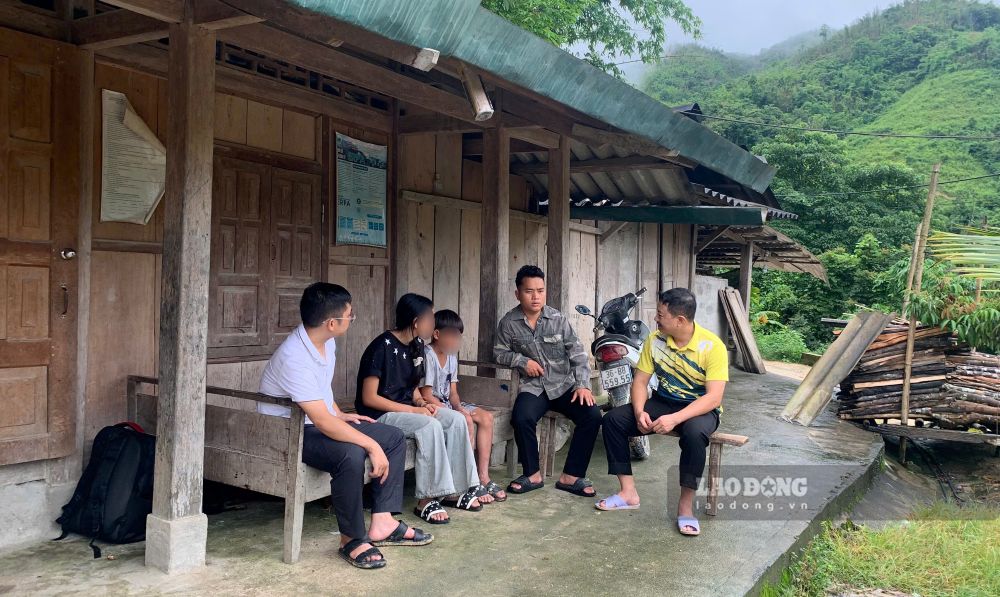
From the review list, the school assigns teachers to be in charge of each case, directly go to their homes to find out the causes, grasp the thoughts of students and families to have appropriate mobilization methods.
Currently, the school has 569 students, organized into 13 classes. Before the new school year, for those who intend to drop out of school, teachers will come to their homes, in some cases they have to go many times, to meet and exchange with parents and students, helping them understand the meaning of learning and continue to go to class" - Mr. Thuy said.
According to the Principal of Trung Ly Ethnic Minority Boarding Secondary School, for students in particularly difficult circumstances, just verbal mobilization is not enough. Therefore, in addition to persuading them to return to school, the school also seeks sources of support for books, school supplies and essential items.
These supports are aimed at reducing the burden on families, creating conditions for students to feel secure in studying, and limiting the situation where students have to drop out of school due to economic circumstances.


