On July 8, the Quang Ngai Provincial Traffic Construction Investment Project Management Board organized the acceptance, handover and commissioning of Thach An bridge across the Tra Bong River, connecting Binh Minh and Binh Chuong communes.
The project has a total investment of 150 billion VND, including bridge and approach road items at both ends of the bridge with a total length of nearly 1.8km.
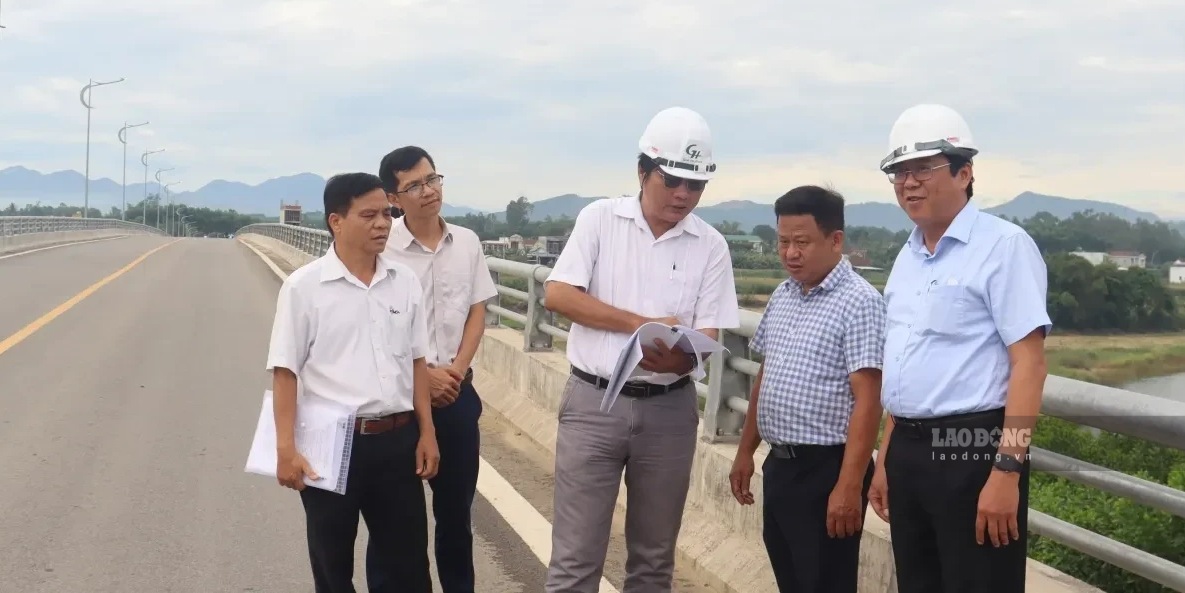
In which, the bridge is more than 330m long, including 8 spans, designed according to load standard HL93. The bridge deck is paved with asphalt concrete, installed with railings, lighting and synchronous traffic safety items.
The approach roads at both ends of the bridge are more than 1.4km long, the road surface is 8m wide, cement concrete structure; completing drainage system, signs, road markings and guardrails.
Putting the bridge into use ends the situation where people have to cross the river by ferry, especially during the rainy and flood season.
The project also forms a traffic axis connecting North - South with East - West traffic routes, strengthening regional links in the northwest of Quang Ngai province.
Thach An bridge contributes to shortening travel time, creating favorable conditions for transporting goods and agricultural products, promoting socio-economic development and improving people's lives.
Especially, during the rainy and storm season, the bridge will become a vital traffic route serving the evacuation of people, rescue and relief in Binh Minh and Binh Chuong communes - areas that are frequently affected by floods, deep flooding and fragmentation.
Mr. Tran Hoang Vinh - Director of the Project Management Board for Investment and Construction of Transport Works of Quang Ngai province - said that putting Thach An bridge into operation not only realizes the long-standing aspirations of people on both banks of the Tra Bong River but also contributes to completing the transport infrastructure network in the northwest region of the province.
According to Mr. Vinh, the project plays an important role in ensuring smooth traffic when emergency situations occur, improving disaster response capacity, protecting people's lives and property, and minimizing damage caused by floods.