
On the afternoon of March 28, at 2/4 Square (Nha Trang City, Khanh Hoa province), the Ministry of Industry and Trade coordinated with units to organize the National Launching Ceremony to respond to Vietnamese Consumer Rights Day 2026.
Speaking at the ceremony, Deputy Minister of Industry and Trade Nguyen Sinh Nhat Tan emphasized that protecting the legitimate rights of consumers is not only social policy but also a prerequisite for improving national competitiveness and promoting sustainable economic development.

With the theme "Information Security - Connecting Trust - Sustainable Consumption", this year's program conveys a consistent message: consumer protection must go one step ahead in the context of digital transformation, green transformation and deep integration.
The three main pillars identified include: ensuring information safety and transparency; strengthening trust between the State - businesses - consumers; promoting green, environmentally friendly and responsible consumption.
According to the Ministry of Industry and Trade, the requirement is to assign specific responsibilities to each level of government, especially in localities - where the majority of production, business and consumption activities take place.
For the business community, consumer trust is considered a vital factor. Protecting consumers is not only about complying with the law but also about committing to business ethics, investing in product quality and promptly handling feedback and complaints.
Businesses that conquer consumer confidence today will lead the market tomorrow," Deputy Minister Nguyen Sinh Nhat Tan emphasized.
In the opposite direction, consumers also need to increase their responsibility. In addition to protected rights, consumers need to proactively find out information, choose products with clear origins and speak out when their rights are violated.
According to statistics from the consumer consulting and support switchboard 1800. 6838, in 2025, nearly 15,000 calls were received.
Notably, more than 80% of complaints come from online channels such as websites and emails. E-commerce alone accounts for more than 20% of the total number of cases.
These figures show that the trend of consumption is shifting strongly to the digital environment, and at the same time poses an urgent requirement to strengthen management and protect consumers in cyberspace.
Mr. Ta Dinh Thi - Deputy Chairman of the National Assembly's Committee for Science, Technology and Environment - said that information security is becoming a common problem of the whole society.
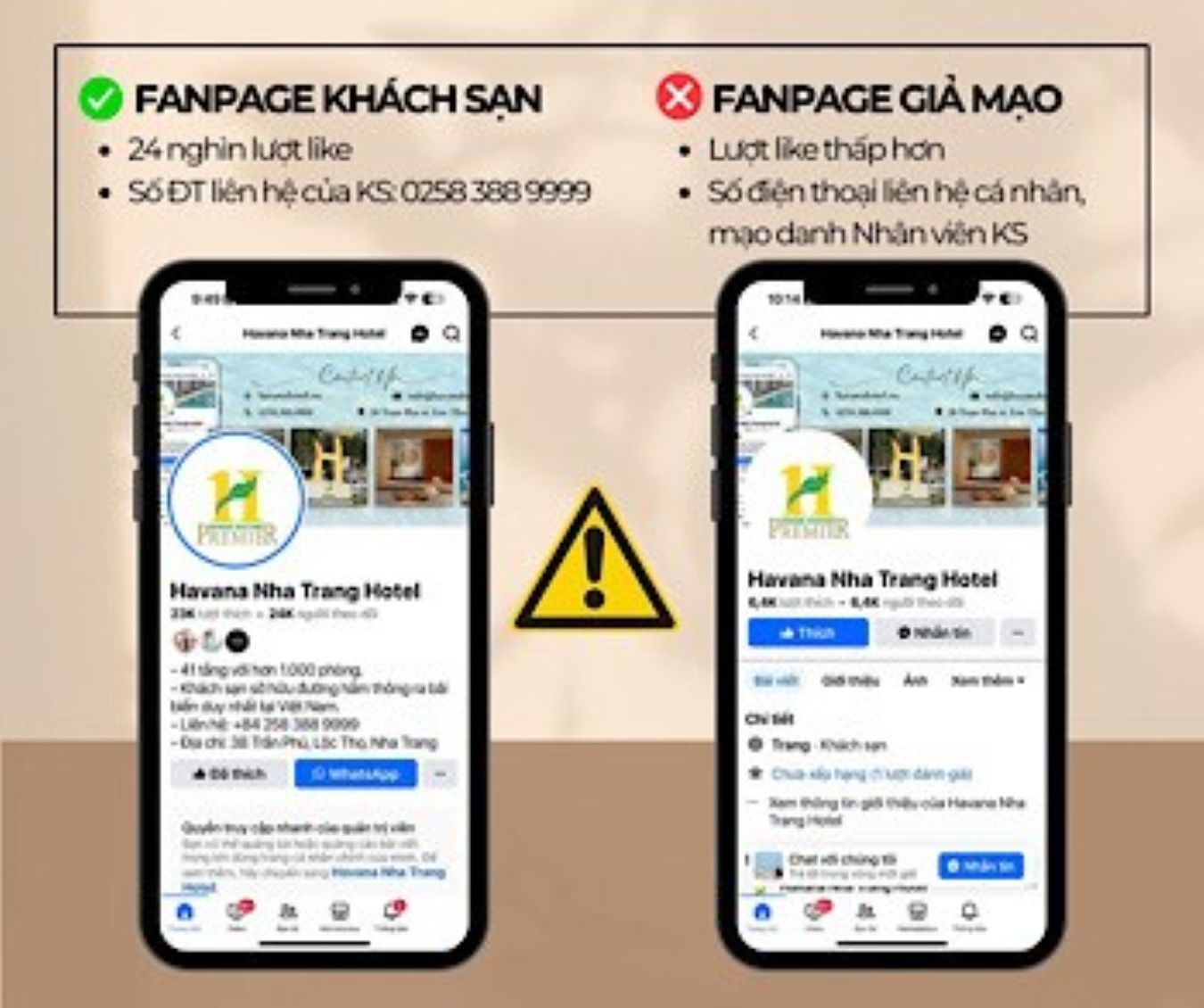
In tourist localities such as Khanh Hoa, where there are thousands of online transactions every day, the risk of personal data leakage and online fraud is increasing.
In particular, the elderly and those with limited digital skills easily become targets of abuse. Therefore, localities need to strengthen the control of e-commerce activities and strictly handle violations.
In addition, sustainable consumption is also an urgent requirement. For localities with long coastlines like Khanh Hoa, the issue of plastic waste is posing a major challenge, requiring each consumption behavior to be associated with environmental protection responsibilities.


