
Kitchen smoke mixed with sticky rice scent by Ngoi Dum stream
In mid-May, when the fields in Coc San commune are covered with a lush green color, the Ngoi Dum stream quietly flows through the houses nestled on the mountainside, kitchen smoke from the houses of the Giay people begins to fly up every morning.
In that lingering smoke, the aroma of bamboo rice mixed with the fresh bamboo smell creates a very unique aftertaste of the highlands.
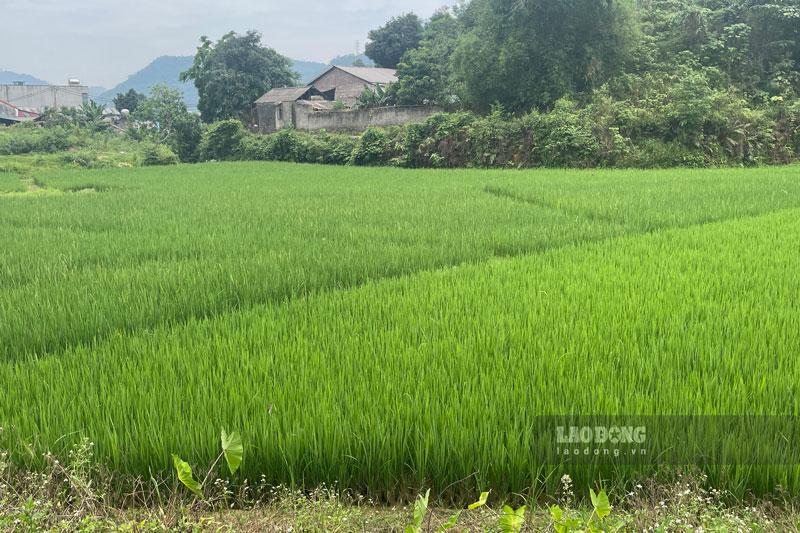
In Un Ta village, which is named after the Giay language meaning "across the stream", the bamboo rice making profession is still being preserved by many households as a part of the village's flesh and blood.
The Giay people in Un Ta are famous for their rich cultural life, especially traditional cuisine. Among them, bamboo rice is not only a rustic dish but also associated with the memories of upland fields, highland markets and the lifestyle of generations.
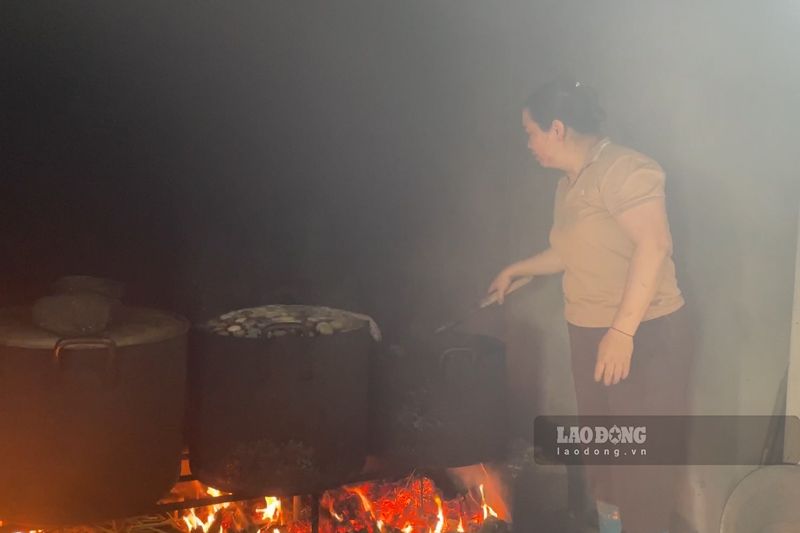
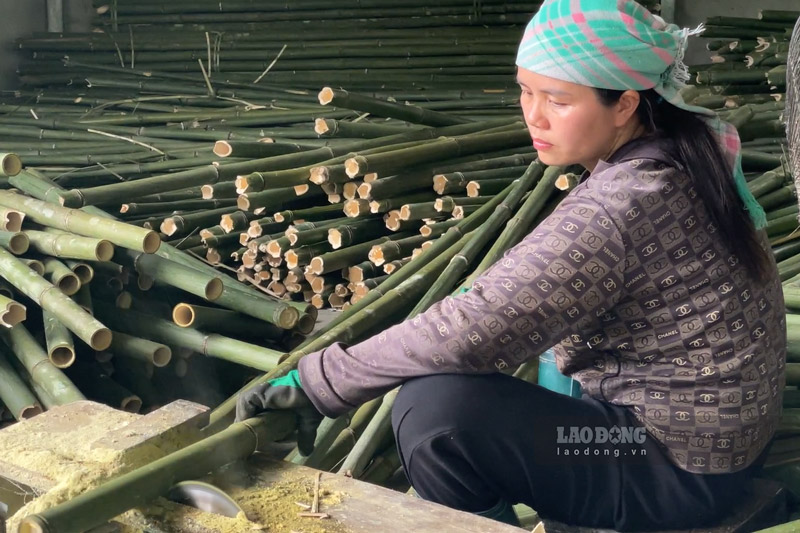
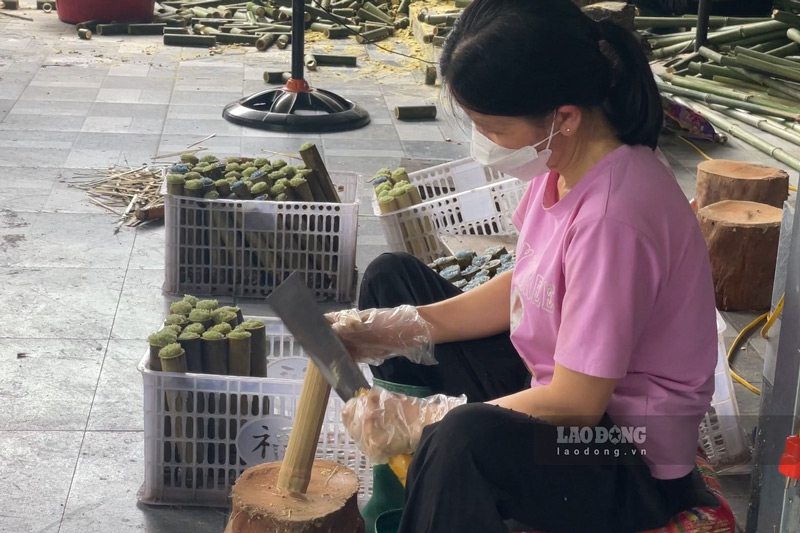
According to reporters' records, from early morning, many families in the village had red fires. Some were washing rice, some were splitting bamboo, some were lighting fires.
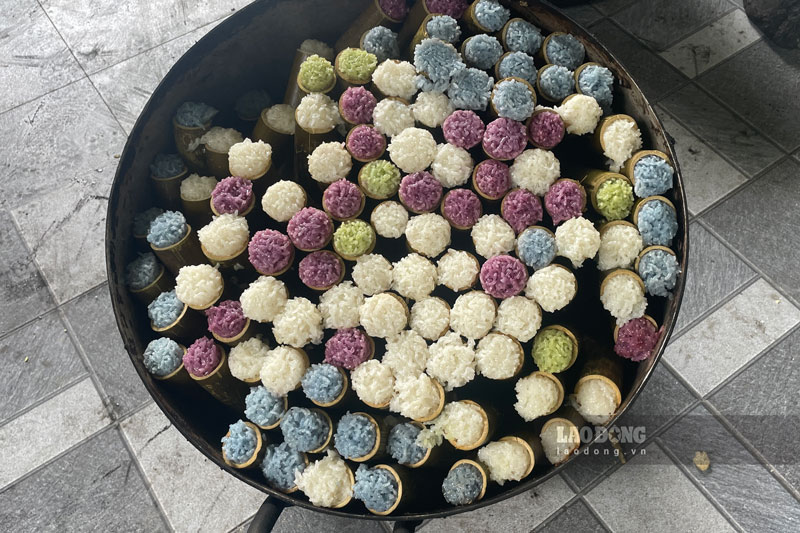
The hands quickly poured sticky rice into each bamboo tube, then neatly arranged it in a pot and put it on a charcoal stove.
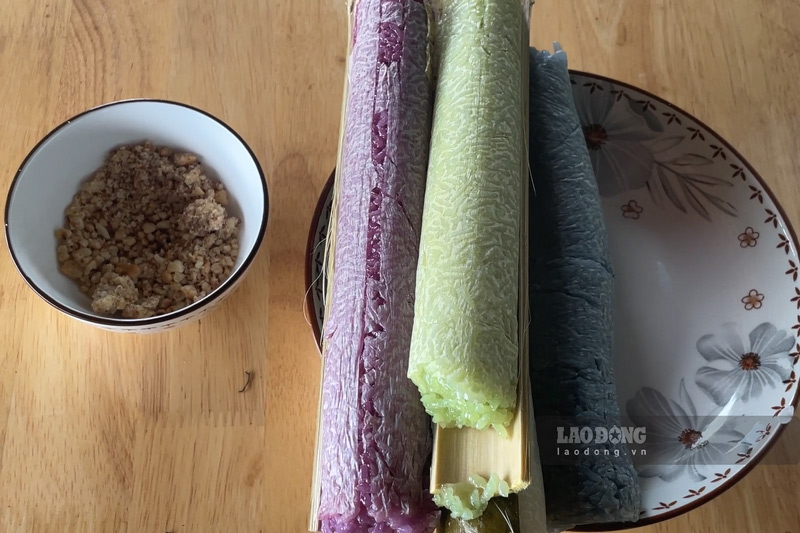
To create color for rice, people take advantage of readily available natural ingredients. If the gac fruit is dyed rice into a golden orange-red color, then the turmeric root is pound to get the juice to give it an eye-catching bright yellow color.
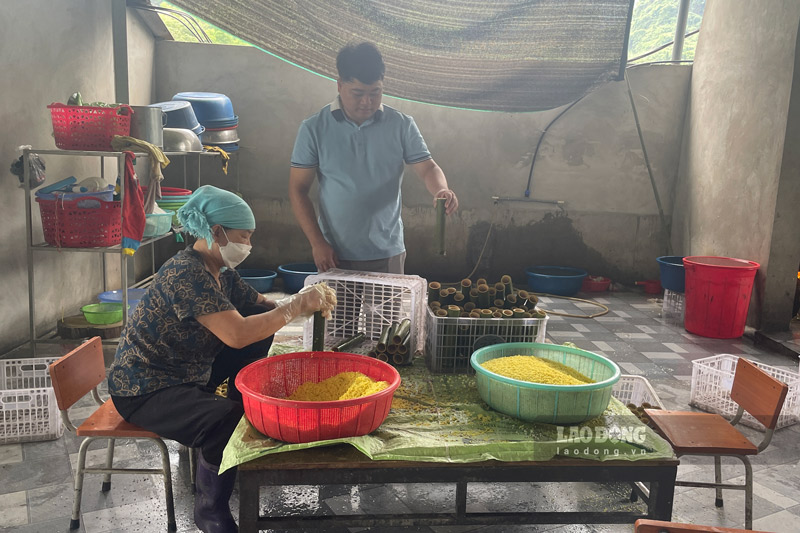
Cam leaves create a gentle purple color, while blue bean flowers cover the sticky rice grains in cool green tones. Gardenia fruit is a familiar rustic ingredient that helps the crayfish tubes develop a natural beautiful color.
From a simple dish of the highland people, bamboo rice has now become a commodity product that brings stable income to many households.
The bamboo tubes of the past are now mostly replaced by bamboo tubes to maintain their flexibility and characteristic aroma.
From rustic dishes to highland livelihoods
Due to the increasing number of customers ordering, from Hanoi to the southern provinces, many families boldly invested in chainsaws, steamers and even freezers to expand production.
Mr. Hoang Van Hop (Un Ta village) said that making bamboo rice is originally a traditional craft of the Giay people in particular and ethnic minorities in the highlands in general.
“Previously, people only made it for daily meals, convenient to take with them when going to the fields. Later, seeing many people like it, they made it to sell on the market. Thanks to the convenient location, located on the route to Sa Pa and the old Lao Cai city, the profession developed more strongly,” Mr. Hop said.
According to Mr. Hop, currently the whole village has about 40 households making bamboo rice for sale to the market. Compared to growing corn, rice or small-scale livestock, this profession brings a better income, while creating stable jobs for women and the elderly who cannot work far away.
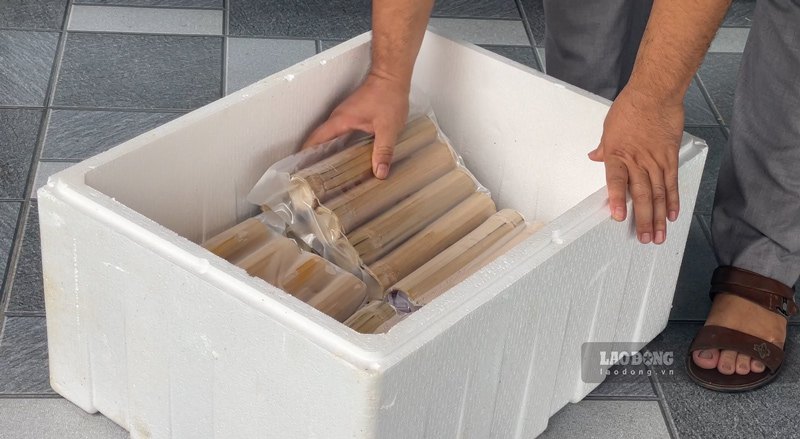
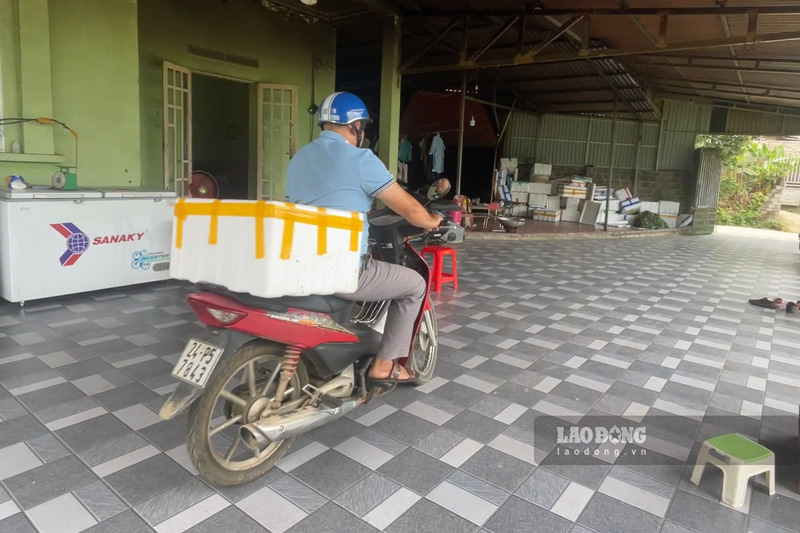
Mr. Hop's family alone makes 1,000 - 2,000 tubes of bamboo rice every day, averaging about 30,000 tubes per month.
Products are shipped to many provinces and cities such as Ho Chi Minh City, Da Lat, Son La or Hanoi. The income of local workers ranges from 6 - 8 million VND per month.
In the peaceful countryside space, when the afternoon sun gradually fades behind the mountainsides, kitchen smoke flies in the air.
The fragrant smell of fresh rice follows the wind through each stilt house roof, creating a very unique peaceful appearance of Giay village by Ngoi Dum stream.
Not only preserving the craft, the people here are also gradually taking cơm lam further.
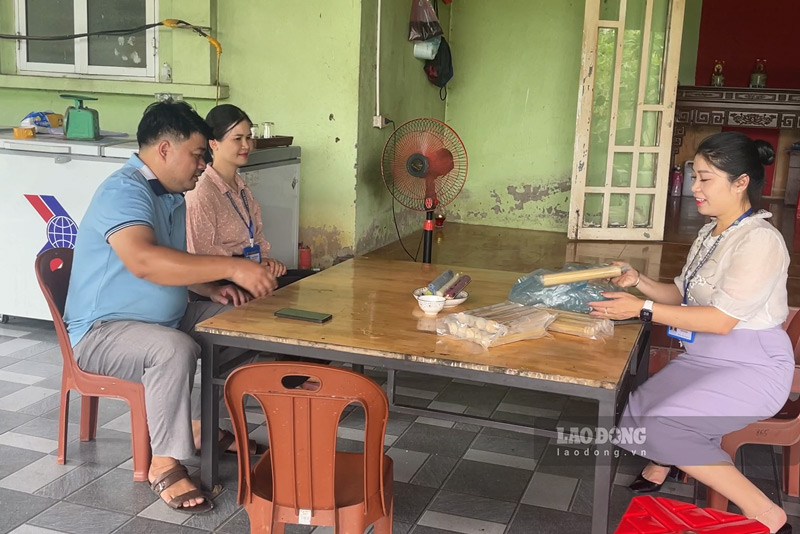
Talking to Lao Dong Newspaper, Ms. Truong Thi Van Anh - Head of the Culture Department of Coc San commune said that Coc San commune has more than 60% of the population being ethnic minorities, whose lives mainly depend on agricultural production. Rice making is currently one of the models that brings clear economic efficiency to the locality.
According to the Head of the Culture Department of Coc San commune, this model not only helps utilize local resources but also solves employment, ensuring social security for people in mountainous areas with a stable income of 6 - 8 million VND/person/month.
In the coming time, the locality will develop the bamboo rice making profession into a traditional profession, towards building a craft village associated with national cultural identity. We also encourage people to bring products to e-commerce platforms to expand consumption markets," Ms. Van Anh said.


