
According to information from the Ministry of Industry and Trade on May 27, on May 26 at the Ministry of Industry and Trade headquarters, Minister Le Manh Hung chaired a conference with corporations, energy corporations, and localities on ensuring power supply during the 2026 dry season peak.
Although in the past time, power plants and power grids have basically operated safely and stably to meet the needs of the power system, weather diễn biến is unusual, intense heat is widespread and simultaneously in all 3 regions, causing electricity demand to increase sharply.
The national power system has recorded record electricity consumption in terms of output and maximum load capacity, accordingly, the operation of the power system faces many new challenges, posing higher requirements for the operation of the national power system.
At the Conference, Minister Le Manh Hung requested power source investors, energy enterprises and Departments of Industry and Trade of localities to focus on exchanging and clarifying implementation solutions according to the issues set out by the Ministry of Industry and Trade and NSMO, with the highest goal of ensuring safe and stable electricity supply for the economy and people's lives, even in extreme situations; at the same time, energy prices must be suitable for the capacity of people and businesses.
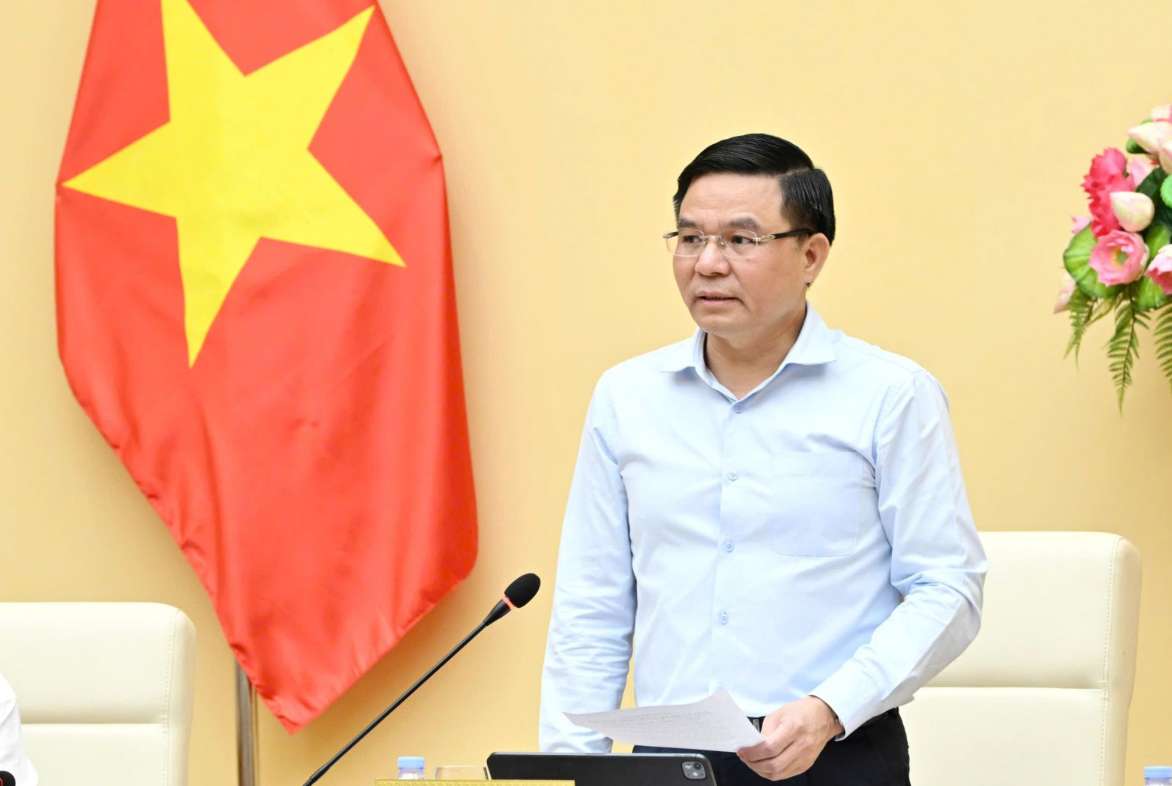
Reporting to the conference, Mr. Nguyen Duc Cuong - Chairman of the Member Council of NSMO said that from May 25-28 is the peak of hot weather in the North and Central regions, the load in the North as well as the national power system will continue to increase and is expected to continue to exceed the record value of previous hot spells.
To ensure safe and flexible operation of the national power system, NSMO has synchronously deployed many technical solutions and flexible operations to cope with the risk of load continuing to set new records.
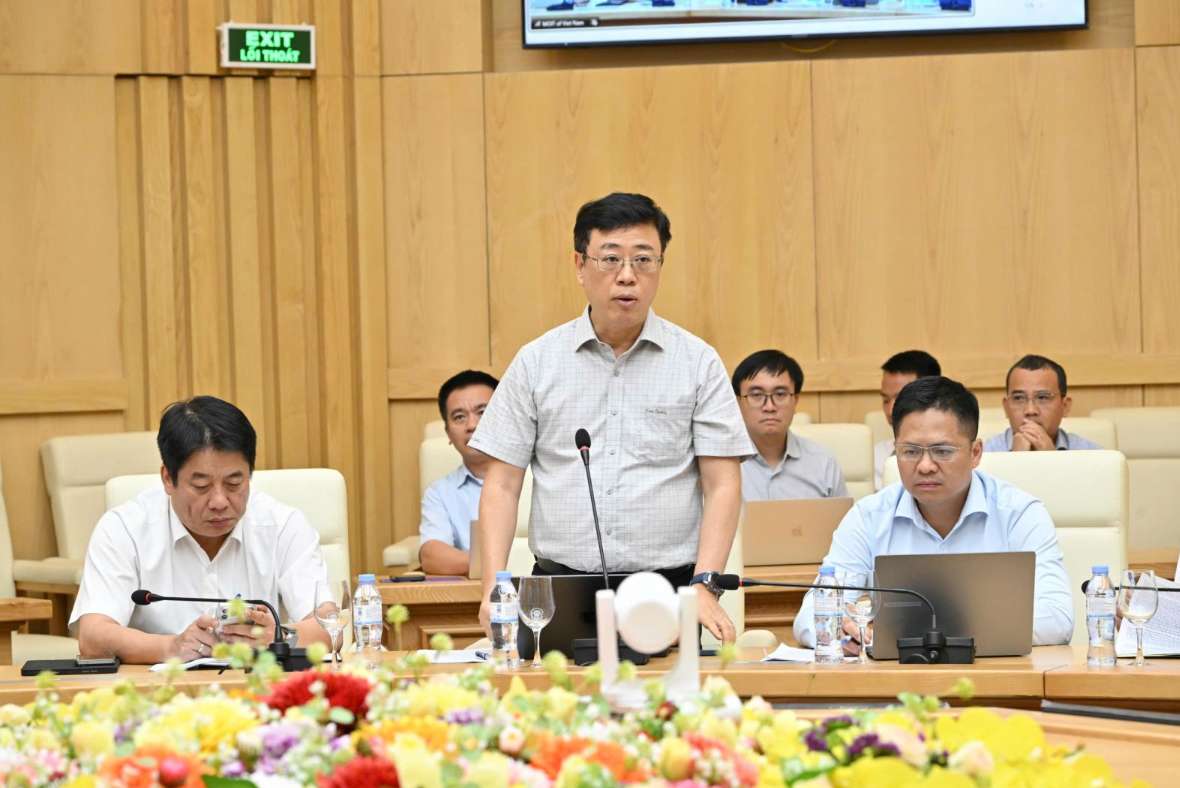
Regarding power sources and grids, Mr. Nguyen Anh Tuan - General Director of Vietnam Electricity Group (EVN) informed that the power system is operating in very tense conditions. Many power lines and substations are overloaded due to strong consumption demand in prolonged heat.
Faced with that situation, the National Power Transmission Corporation and power corporations are required to strengthen on-duty forces, prepare scenarios for incident response, and closely coordinate with NSMO in load management and operation of the national power system. EVN also said that it has directed power corporations to work with large customers to implement voluntary load adjustment programs, encouraging the shift of electricity demand out of the evening peak hours.
According to Mr. Phan Tu Giang - Deputy General Director of the National Industry - Energy Group (Petrovietnam), all power plants of the group are still operating according to the system schedule, while maintaining a high readiness status in terms of both technology and fuel to contribute to the electricity industry ensuring power supply during the peak heat of 2026.
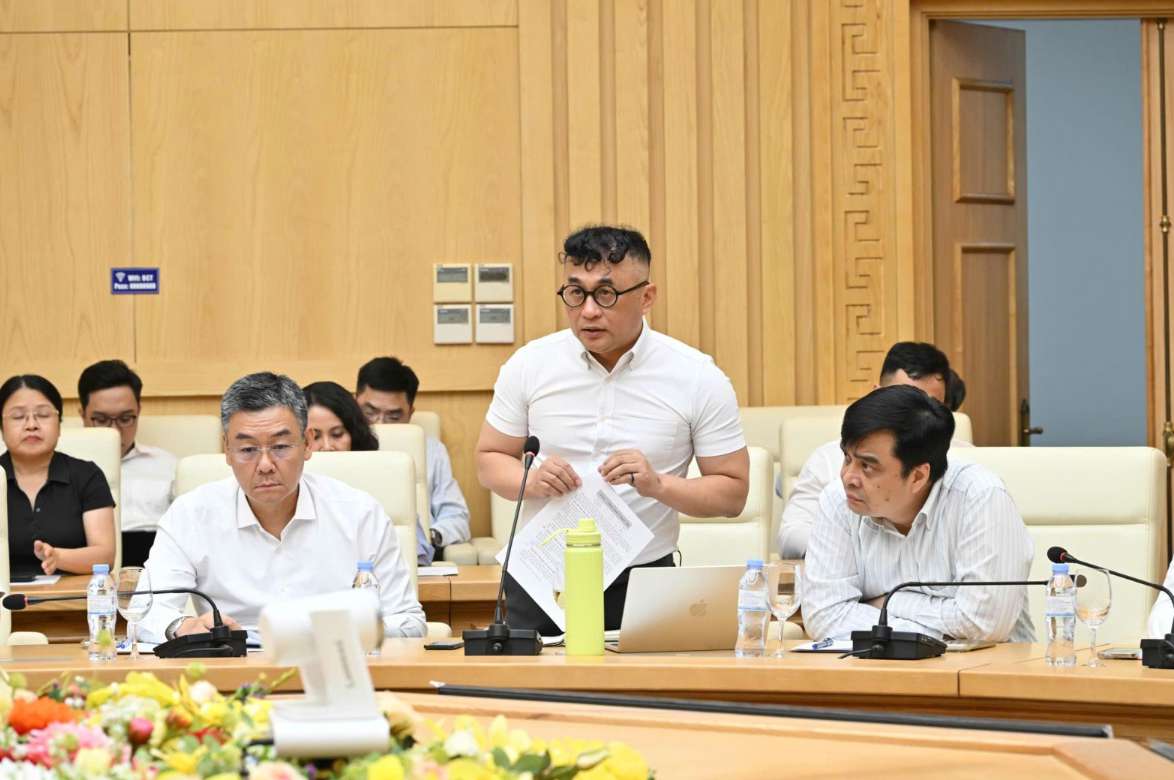
Meanwhile, Mr. Phan Xuan Thuy - Deputy General Director of Vietnam National Coal - Mineral Industries Holding Corporation Limited (TKV), affirmed that currently the availability of thermal power plants under the group is maintained at over 90%, basically meeting the mobilization requirements of NSMO.
TKV said it is directing units to focus highly on operation during the peak dry season months to maintain the highest readiness of power generating units. At the same time, ensure sufficient coal supply for thermal power plants according to signed contracts.
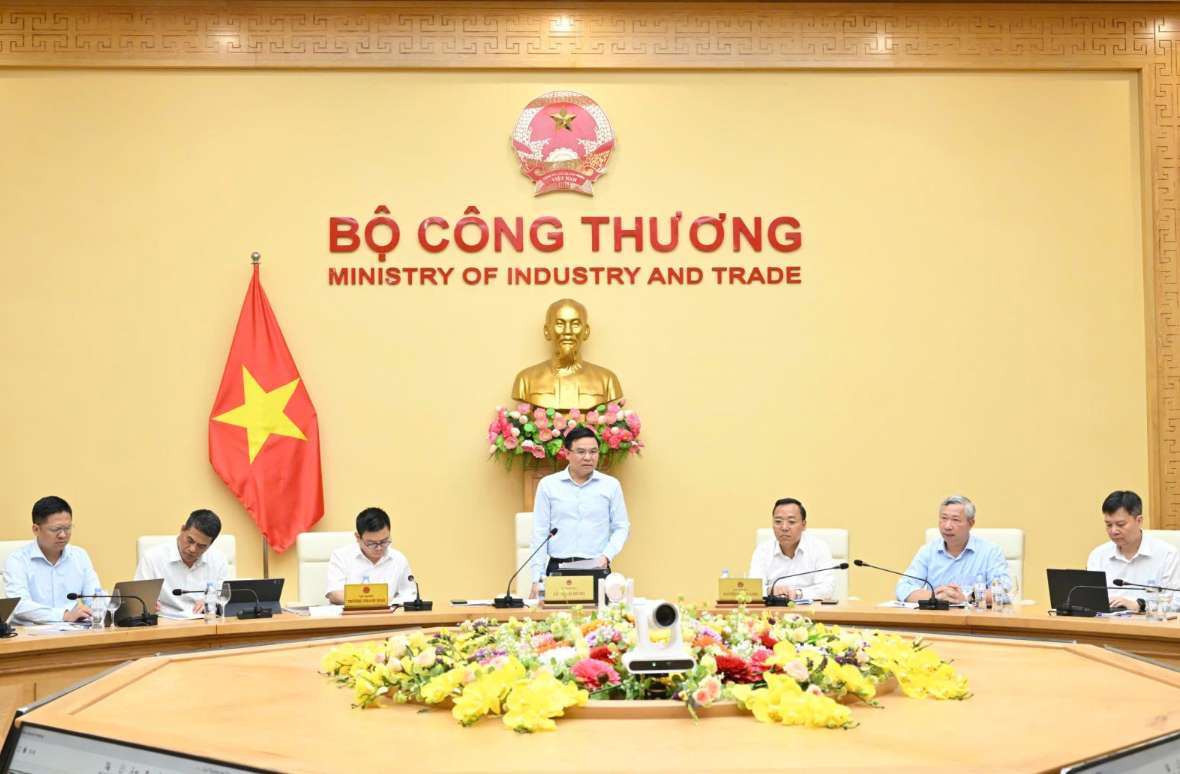
At the conference, localities and power source owners also shared the situation of implementing solutions to ensure electricity supply and develop on-site power sources, and pointed out difficulties and obstacles in the production process, project implementation, and specialized legal regulations such as environment, fire prevention and fighting... Representatives of departments, agencies, and functional units of the Ministry of Industry and Trade also clarified and answered the opinions raised by power source owners and localities.


