
Unlocking the potential for aquaculture development
Chairman of Ca Mau Provincial People's Committee has just issued the 2026 marine and coastal economic development plan to concretize the marine economic development goals for the period 2026-2030, promote marine potential and advantages and create sustainable growth momentum.
According to the plan, in 2026, the province aims to comprehensively develop marine economic sectors associated with protecting resources, environment and ensuring national defense and security. The province strives for GRDP to increase by 10%; marine and pure marine economic sectors contribute about 40-45% of total budget revenue; total seafood output reaches over 1.335 million tons.
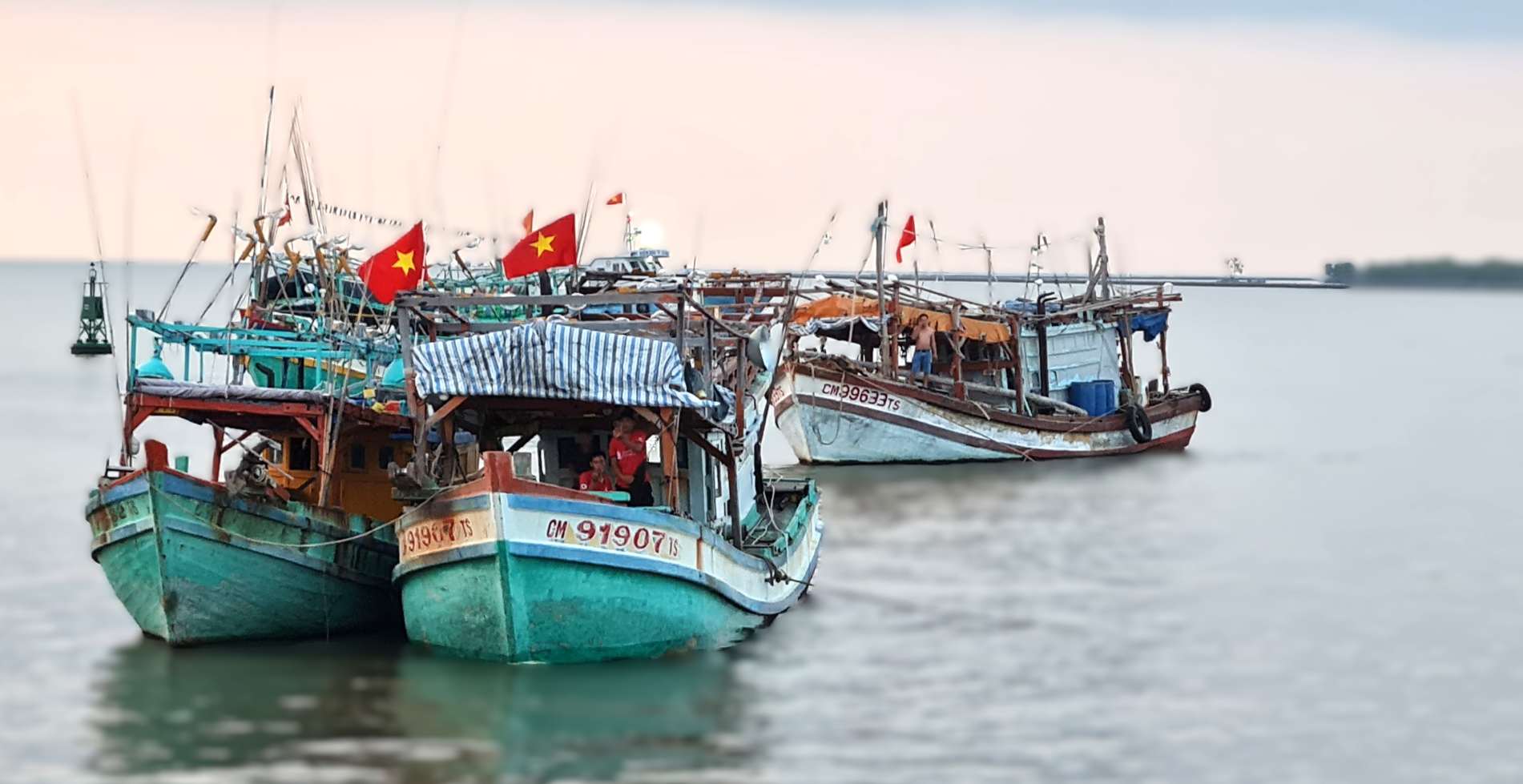
Ca Mau has 3 sides bordering the sea, a coastline of more than 310 km and a exclusive economic zone of more than 120,000 km2, Ca Mau is one of the 4 key fishing grounds of the country. Currently, the locality has more than 5,200 fishing vessels, with a total capacity of over 800,000 CV, and about 40,000 - 50,000 workers in the seafood sector.
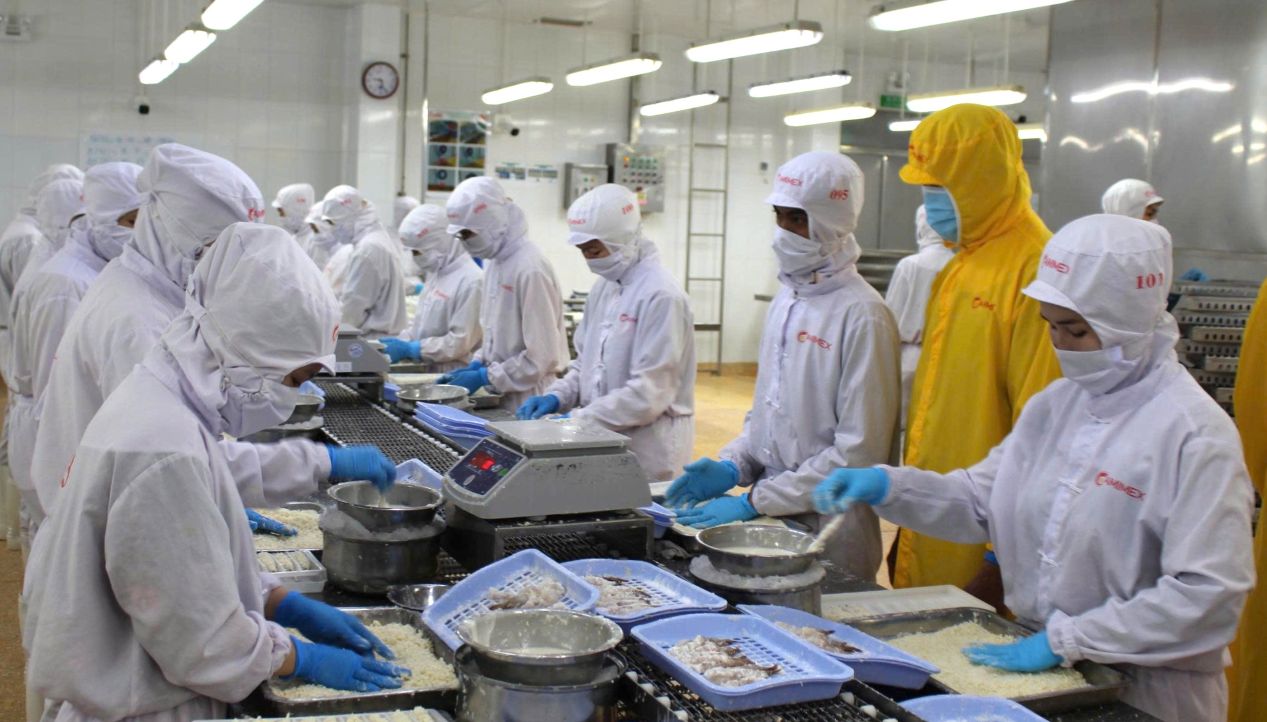
Along with that, the export seafood processing industry is developing strongly with more than 80 factories, designed capacity of nearly 500,000 tons/year, affirming Ca Mau's position as the largest seafood processing center in Vietnam. This is the basis for the province to strongly develop the marine economy.
Deputy Director of the Department of Agriculture and Environment of Ca Mau province Pham Van Muoi said that the province determines that marine economic development must be closely linked to environmental protection and aquatic resources.
We strengthen the application of science and technology, monitor 100% of fishing vessels through the navigation system, and at the same time propagate to fishermen to understand that sustainable development is a long-term livelihood," Mr. Muoi informed.
To achieve the goal, the province will synchronously implement solutions to develop exploitation, aquaculture and seafood processing in a modern and sustainable direction; reduce coastal exploitation intensity, develop offshore exploitation associated with protecting and regenerating aquatic resources. At the same time, continue to drastically implement solutions to combat illegal fishing (IUU), invest in upgrading fishing port systems, storm shelter anchorage areas and apply digital technology in fisheries management and traceability of aquatic products.
In aquaculture, Ca Mau orients to expand high-tech farming areas, circular farming, improved extensive farming associated with climate change adaptation; invest in developing high-quality seed production, expanding certified farming models for export and increasing the proportion of deep processing to increase product value.
In the structure of marine and coastal economic development, the seafood sector continues to be prioritized, with the target of total output reaching 7.46 million tons; export turnover reaching about 17 billion USD in 5 years.
Attracting energy investment, developing coastal infrastructure
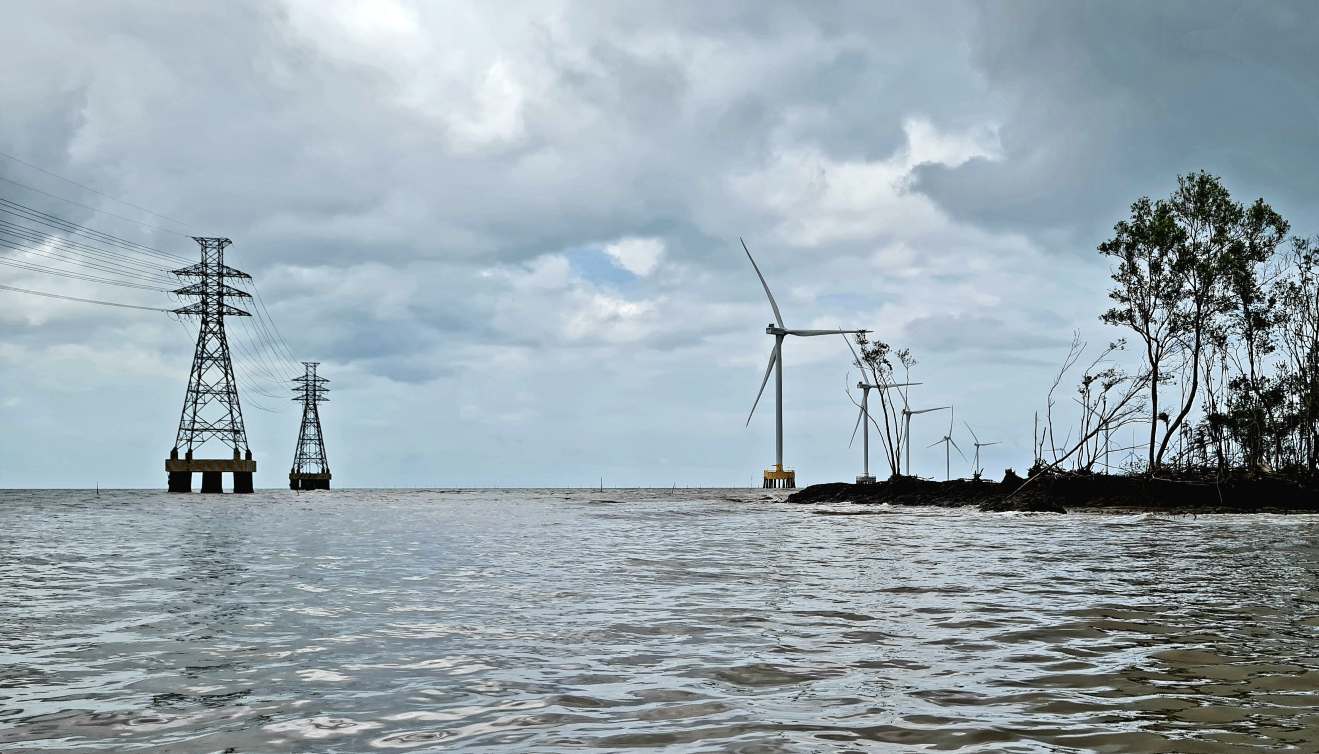
Besides seafood, Ca Mau continues to invite investment in wind power and solar power projects; remove difficulties for projects that have been approved for investment policy and put into commercial operation soon. The province also prioritizes investing in power grid infrastructure to ensure the ability to connect and transmit renewable energy projects effectively.
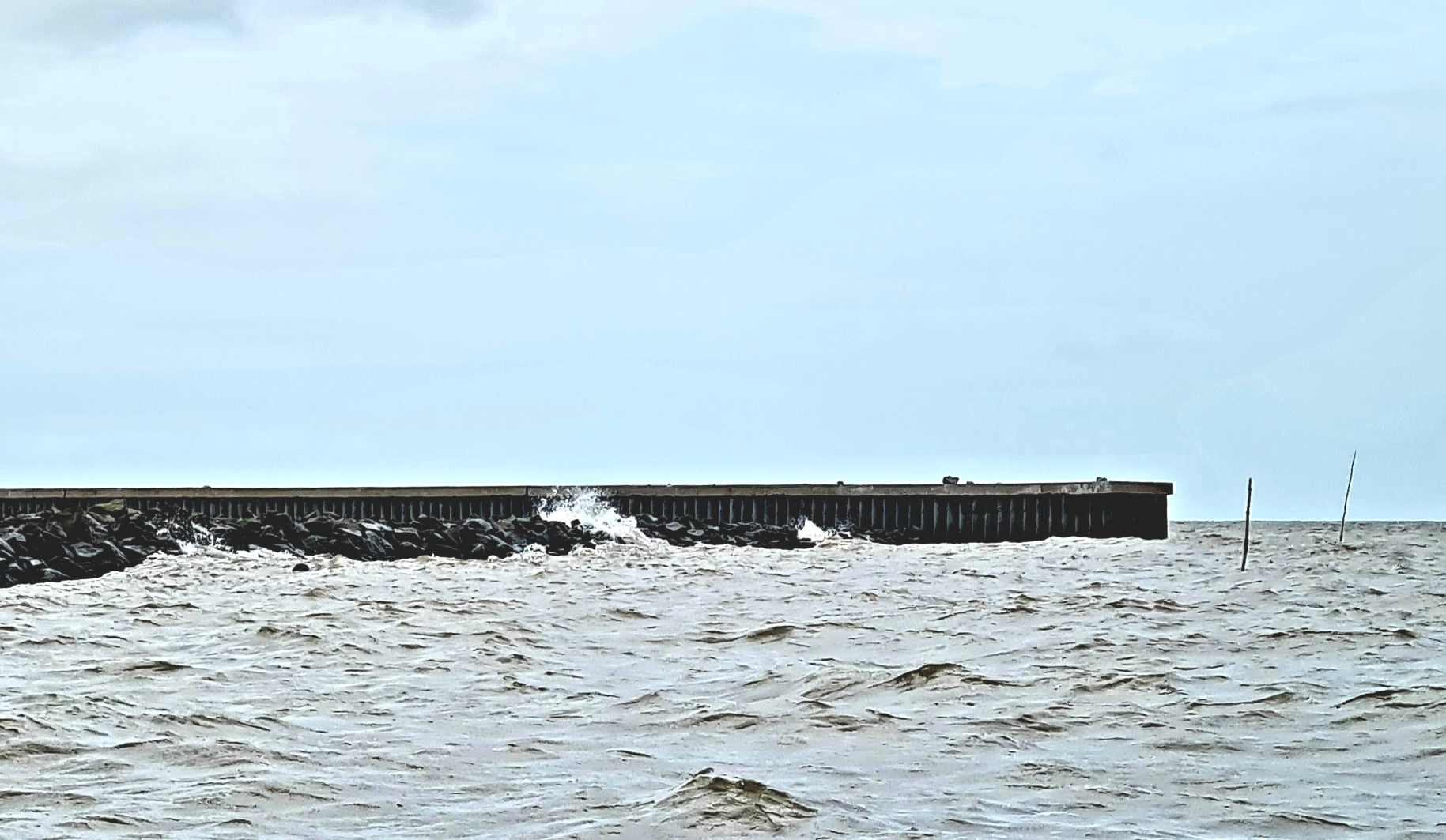
Along with that, the province focuses on accelerating the progress of key transport infrastructure projects, connecting with the highway system and coastal economic corridor; coordinating the implementation of large projects such as the Can Tho - Ca Mau expressway to Dat Mui, Hon Khoai dual-use general port, upgrading National Highway 1, National Highway 63, Ho Chi Minh road and developing logistics systems serving the marine economy.
In parallel with infrastructure development, the province strengthens resource management, protects the marine environment; proactively responds to climate change, coastal erosion and sea level rise; promotes the application of science and technology, digital transformation, training high-quality human resources and mobilizing social resources to develop the marine economy in a modern and sustainable direction.
Ca Mau determines that taking the marine economy as a spearhead, infrastructure as a lever, businesses as the center and people as the beneficiaries, the target of 10% growth in 2026 can become a reality.


