
Welcoming the opportunity to open up to the big sea
On the afternoon of January 5, Ca Mau province organized a summary of 2025, deploying tasks for 2026. Chairman of Ca Mau Provincial People's Committee Lu Quang Ngoi emphasized: Ca Mau benefits from key national projects, so in 2026, it is necessary to have a plan to exploit the sea economy, Ca Mau airport and Can Tho - Ca Mau, Ca Mau - Dat Mui highways.
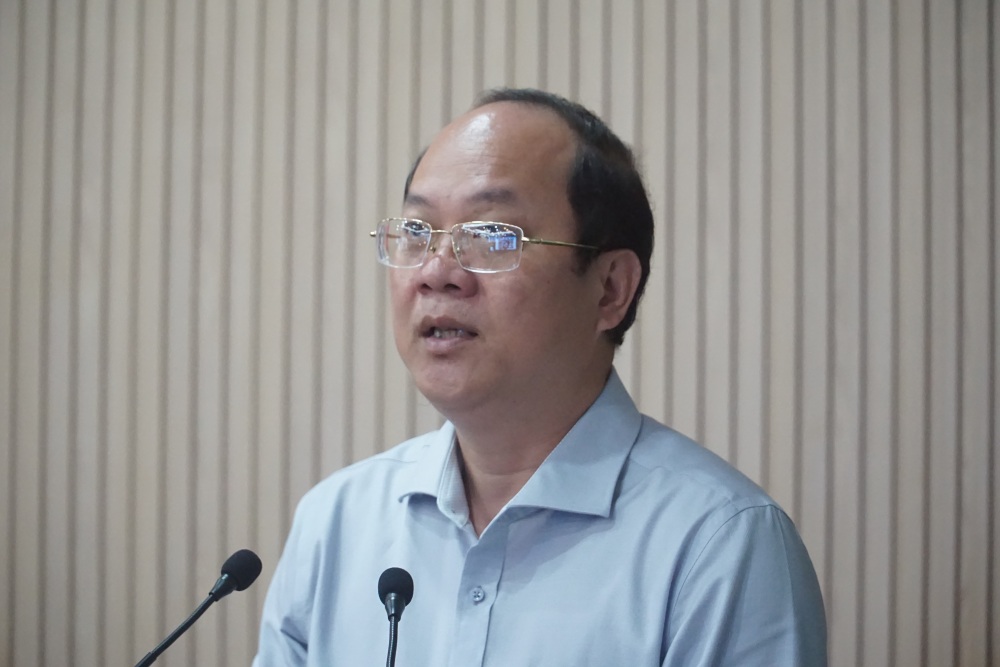
The southernmost province of the Fatherland set a growth target of 10% for 2026. Right from the beginning of the year, the province assigned targets to 3 areas for development. In which, agriculture and industry continue to be extremely important for Ca Mau to grow.
The main goal of Ca Mau province in 2026 is to continue to maintain economic stability, restore and develop production and business in a sustainable direction, improve productivity, quality and competitiveness of the economy. Promote economic restructuring associated with innovation of the growth model; effectively exploit the potential and advantages of the locality, especially the marine economy, high-tech agriculture, processing industry and renewable energy.
Gradually develop a synchronous system of socio-economic infrastructure, transport infrastructure and digital infrastructure; promote digital transformation in all fields. Improve the effectiveness and efficiency of state management, administrative reform, building digital government, digital economy, and digital society. Comprehensively develop socio-culture, improve the quality of human resources, ensure social security, and improve the material and spiritual life of the people.
Strictly manage resources, protect the environment, proactively adapt to climate change and sea level rise. Strengthen national defense and security, maintain social order and safety, and improve the effectiveness of foreign affairs and international integration.
Promoting seafood strengths
Ca Mau has the largest aquaculture area in the country. To enhance the value chain of aquaculture, Ca Mau is restructuring towards high-tech farming, ecological shrimp, forest shrimp, reducing coastal exploitation, increasing deep processing and direct export. When products meet green standards, traceability, added value will no longer depend on output, but on brand and sustainable market.
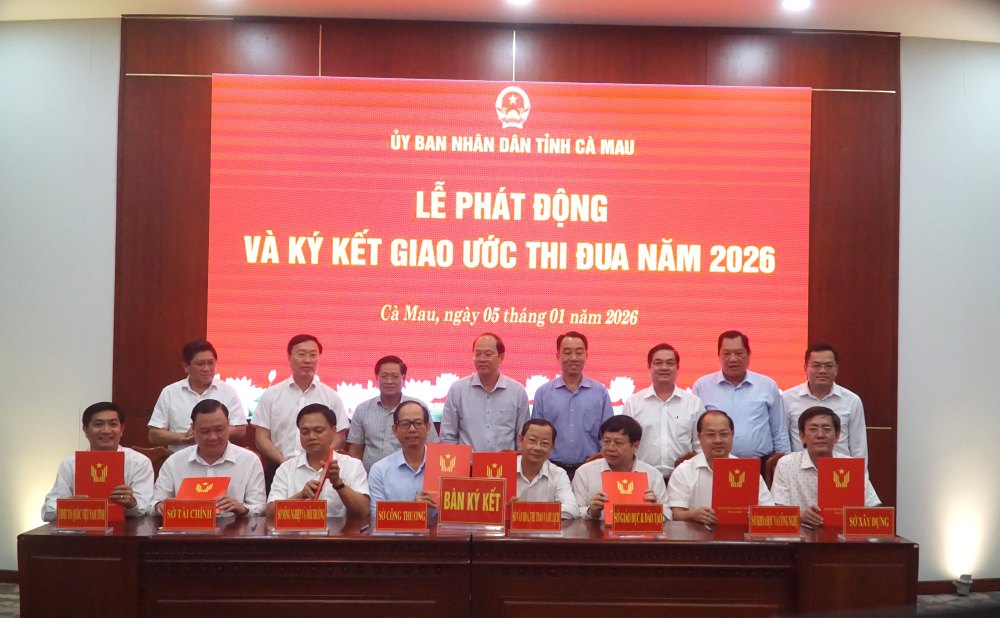
Along with that, the development of coastal urban areas, including controlled sea encroachment, is considered a solution to expand the development space. Coastal urban areas not only serve people's livelihoods, but are also a gathering place for services, logistics, and trade, creating a new face for Ca Mau's marine economy.
Secretary of Ca Mau Provincial Party Committee Nguyen Ho Hai said that to achieve the 10% growth target in 2026, it is not enough to stop at determination, but it is necessary to clearly define the responsibilities of each department, sector, and locality; together determined to achieve victory in 2026.
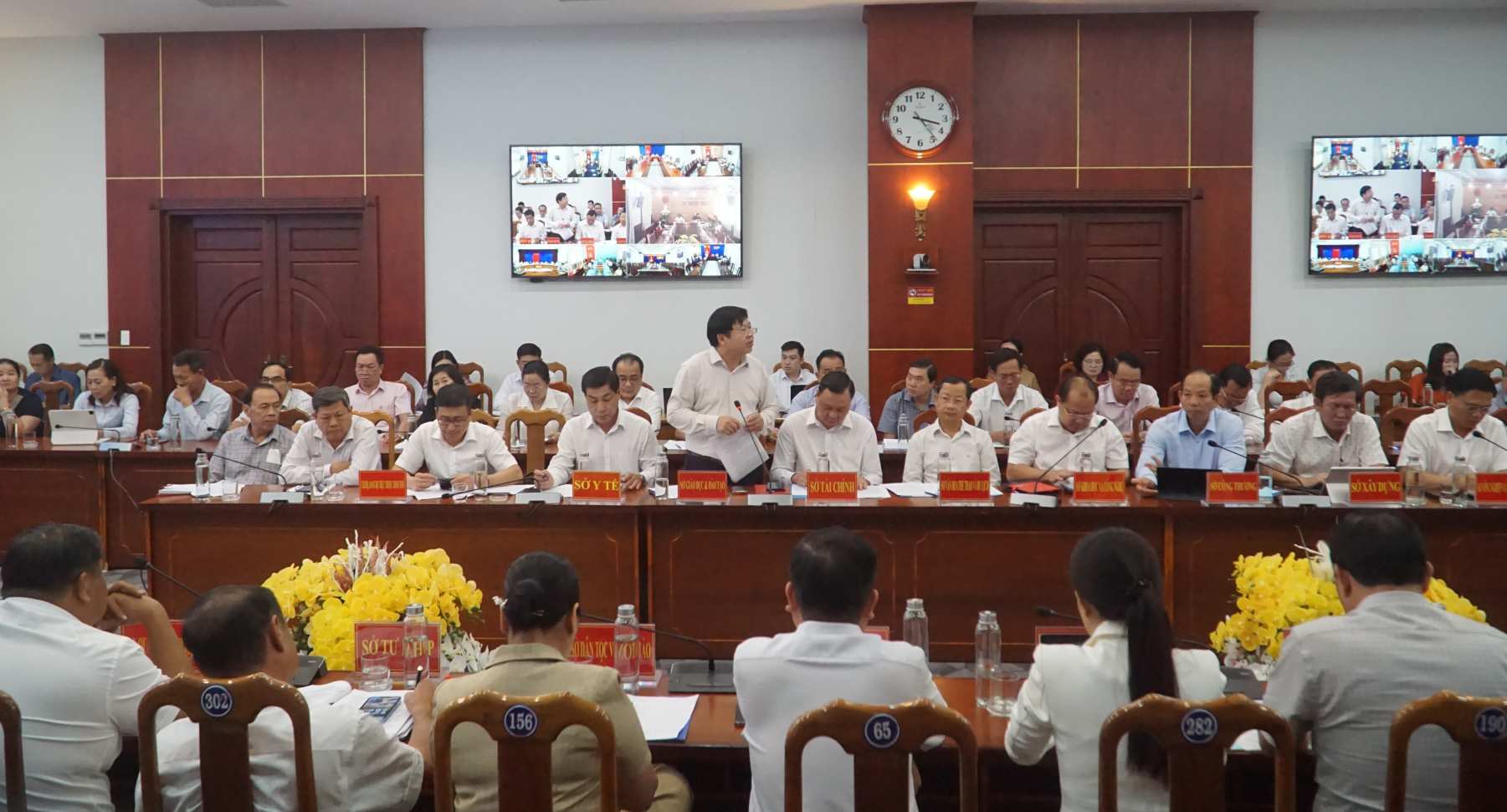
The Department of Finance plays a focal role, reviewing the list of key marine economic projects, removing procedural obstacles, and preparing clean land funds. The Department of Construction focuses on accelerating strategic coastal infrastructure projects, especially the Ca Mau - Dat Mui highway and seaport connection routes.
The Department of Agriculture and Environment is responsible for restructuring the seafood industry towards sustainability, linking production with processing and exports. The Department of Industry and Trade is assigned to promote wind power projects, seafood processing industry, and form industrial clusters associated with the marine economy. Coastal localities, especially the Nam Can, Dat Mui, Dat Moi areas... proactively clear land, stabilize people's lives, and accompany investors.
Ca Mau determines that only when the whole system acts together, taking the marine economy as the spearhead, infrastructure as the lever, businesses as the center and people as the beneficiaries, can the target of 10% growth in 2026 become a reality.


