
For many years, Da Nang has been seen as a model of a "livable city" in Vietnam. However, when passing the hot development stage, a question needs to be raised frankly: "worth living" - for whom? For those who visit for a few days, or for those who live there every day?
And the answer was at the M Series conference "Healing Architecture: From Design Philosophy to Quality of Life" held at Novotel Danang Premier Han River on April 18.
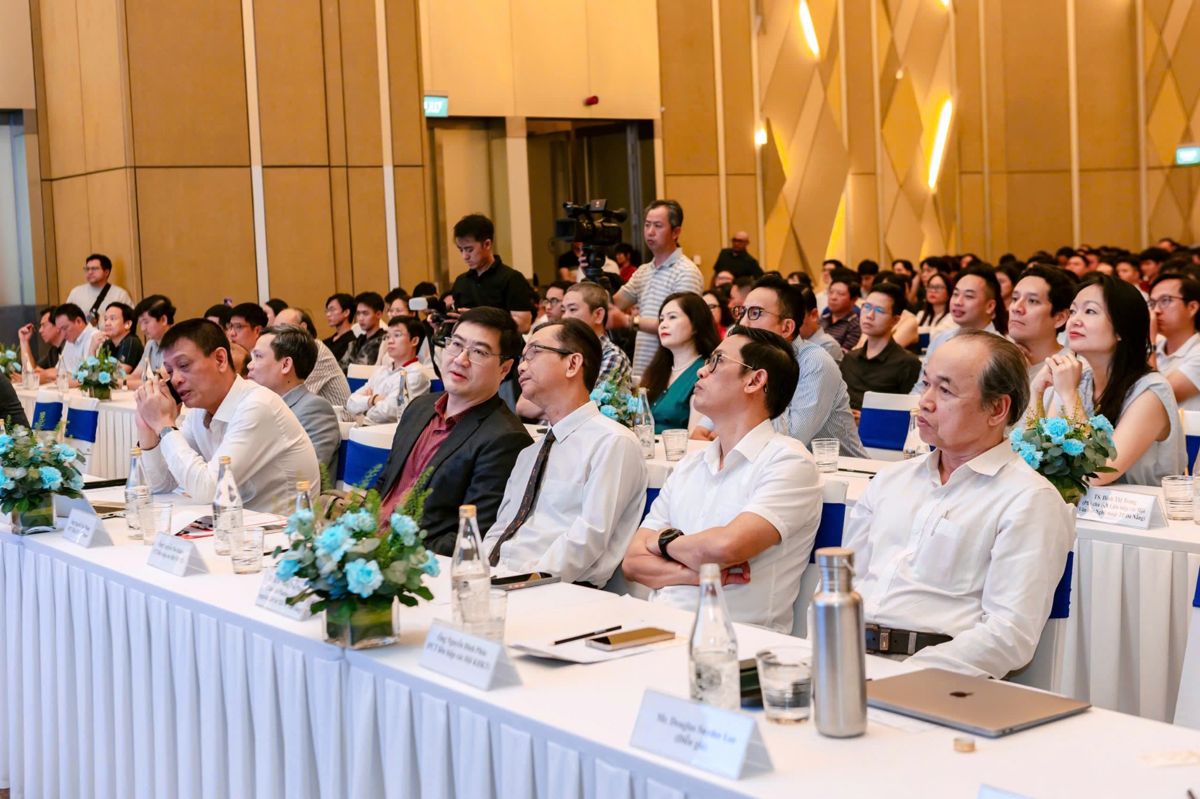
A livable city and a different perspective on healing architecture
The concept of "worth living" is often seen in urban scale, associated with infrastructure, landscape or development speed. A livable city must be made up of livable houses, living spaces that are truly suitable for users.
Healing architecture" appears as a direct response to the imbalance of modern life. This concept does not stop at bringing nature into space, but goes deeper into improving the physical, mental and emotional states of people through design.
A well-organized living space: balancing modern needs and personal characteristics, between comfort and emotions will not need "healing" as an additional solution.
Worth living when humans become the center of space
Resetting the role of people in architecture is the consistent direction of M Series - a platform for dialogue about living space in Vietnam initiated by Minh Long Wood, in coordination with local Architects Associations - where architects, designers and businesses together look back at the core issues of modern urban areas.
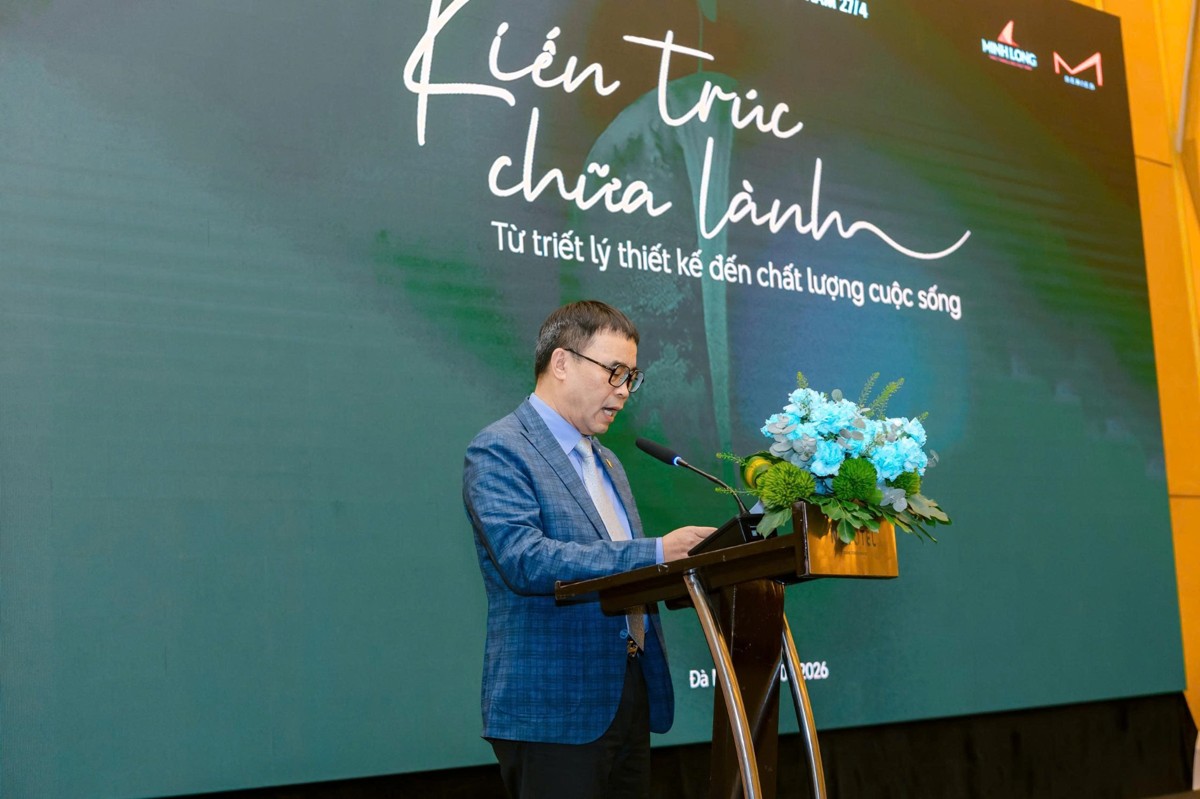
At the M Series conference "Healing Architecture: From Design Philosophy to Quality of Life" held at Novotel Danang Premier Han River on April 18, a common point was established: architecture no longer starts from blocks, but starts from human experience. Speaker Douglas Snyder emphasized that green buildings are only meaningful when the feeling of life is improved; Architect Nguyen Xuan Minh mentioned "space medicines" with small but highly effective interventions; Architect Pham Thanh Truyen focused on improving health; while Architect Ho Khue re-emerged the issue of local identity.
The point of convergence of these views is not in the form of design, but in the perception of people as the center of the entire space creation process.
Humans are at the center of material experience
When putting people at the center, we need to re-examine the role of materials in design. Materials are not just technical elements, but become a form of "language" of design, which conveys the spirit of space and reflects people living in it.
A space only becomes truly "worth living" when the material in it creates a feeling of familiarity, closeness, and suits the user's lifestyle.
Therefore, technical standards such as V313 - the highest anti-humidity standard today - become a fundamental factor to help ensure spatial quality. The application of these standards not only solves the problem of durability, but also maintains the stability of spatial emotions over time.
Representative of Minh Long Wood, the only unit to bring the V313 standard to apply in Vietnam since 2015, said: "In fact, materials are the place where people are most exposed to space. An inappropriate surface can disrupt the entire experience, no matter how good the architectural concept is". From this perspective, materials are no longer a technical completion step, but need to be placed in the center of design thinking. When materials are selected and processed correctly – both emotionally and technically – the space not only meets functions, but also becomes a place where people can reside: a place that reflects the true life, emotions and rhythm of their own activities.
Da Nang: Worth living or not, not a title
At the urban level, "worth living" is not a title, but the ability to retain people. For Da Nang, this means shifting the focus from image to experience, from rapid development to proper development. Architecture, along with the way space is organized and materials are chosen, is no longer an auxiliary factor, but becomes the foundation that determines the quality of life.

And then, the question "worth living or not" will not need an answer, but will be verified by the choices of people living in that city every day.


