
Collecting opinions to build the Law on Derivatives Trading
On the morning of March 20 in Hanoi, the Ministry of Industry and Trade organized a policy consultation conference on the draft Law on Transactions of Derivatives.
Speaking at the opening of the conference, Deputy Minister of Industry and Trade Nguyen Sinh Nhat Tan said that the conference was organized on the basis of the provisions of the Law on Promulgation of Legal Documents. The Ministry of Industry and Trade is assigned the task of developing the Law on Transactions of Derivatives and this draft law has been included in the National Assembly's Law and Ordinance Development Program, expected to be passed in 2026.
Currently, the activities of buying and selling goods through the exchange are mainly regulated by the 2005 Commercial Law and sub-law documents, not fully covering the specific characteristics of derivative commodity transactions. Many important contents such as the classification of derivative instruments, compensation and settlement mechanisms, risk management and investor protection have not been regulated uniformly and synchronously. Market practice shows that the demand for using risk prevention tools is increasing, in the context of strong fluctuations in world commodity prices" - Deputy Minister Tan said.
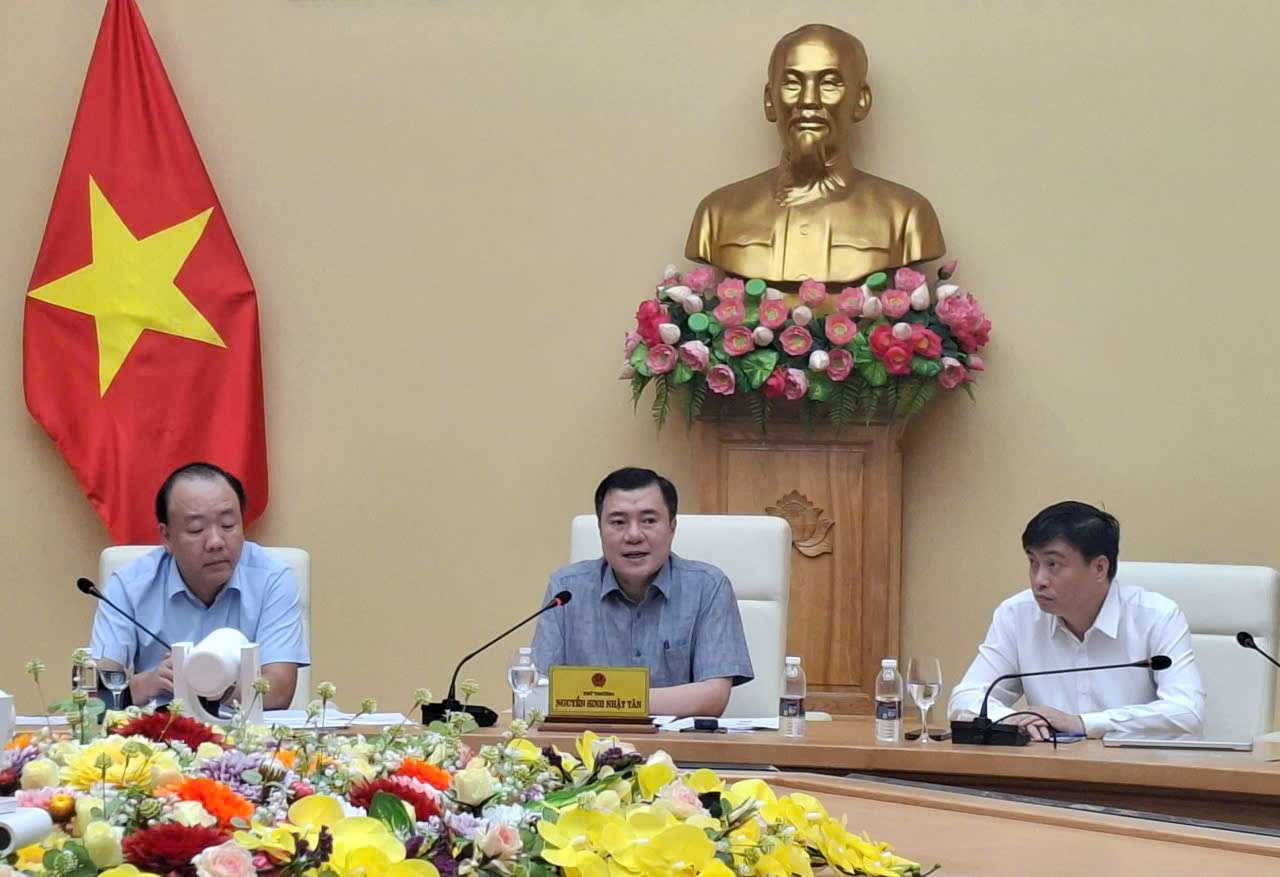
The Deputy Minister gave an example that gold prices on the international market at times reached 5,600 USD/ounce, domestically at times exceeding 190 million/tael; silver prices nearly 108.6 USD/ounce, domestically at times exceeding 111 million VND/kg; gasoline and oil prices at the beginning of March 2026 also recorded an increase of over 20–30%, creating great pressure on macroeconomic management. These developments show the role of derivative instruments in price risk management and the necessity of forming a modern and transparent trading market.
In the context of Vietnam orienting its development into an international financial center, along with the need to form exchanges and departments and improve related regulations, the Ministry of Industry and Trade has reported and requested the Government to develop the Law on Derivatives Trading.
The draft Law is built on the basis of 6 major policy groups, focusing on perfecting the legal framework; market infrastructure organization; product development and standardization of trading rules; risk management, market supervision and investor protection; state management model; and promoting international integration. In which, the general orientation is to build the Law in the direction of stipulating basic principles and legal frameworks, and at the same time assigning the Government to specify details to ensure flexibility, in accordance with practice and international practices.
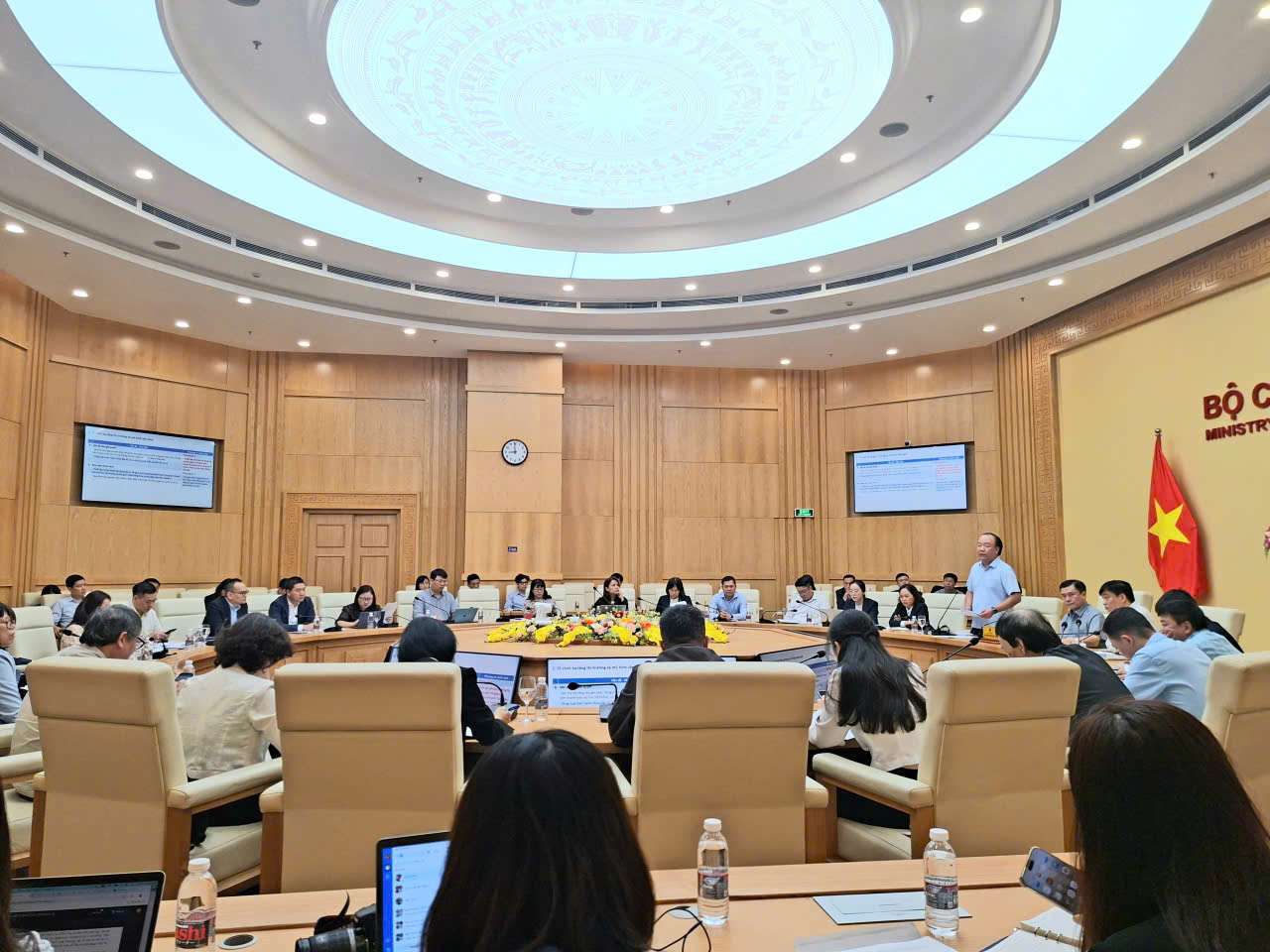
Concerns due to risks assessed as capital loss
From the business side, representatives of Vietnam Oil and Gas Group (Petrovietnam) said that the commodity market, especially oil and gas, has many specific characteristics that need to be considered. Crude oil products are very diverse in types and quality are not uniform, leading to difficulties in standardization and trading on the exchange.
In addition, the participation in derivative instruments to hedge risks still has many obstacles for state-owned enterprises. If there is no appropriate mechanism, enterprises may be hesitant because the risk is assessed as capital loss, while the benefits of risk hedging have not been fully recognized.
In addition, the international market has a very large trading scale, requiring high financial capacity, risk management and dispute resolution. These are factors that domestic businesses need time to adapt to, and at the same time require support from the policy framework.
From an expert perspective, Dr. Vo Tri Thanh - Director of the Institute for Brand Strategy and Competitiveness Research emphasized that if Vietnam aims for a modern market economy, then the full development of market components, including the derivative goods market, is an inevitable requirement. However, this is a field that intersects between trade and finance, so a suitable legal framework is needed, even beyond the scope of the current Commercial Law.
This expert also believes that there needs to be a cautious but not slow approach, with a clear roadmap. Market building must go hand in hand with improving the capacity of participating entities, from businesses to management agencies, as well as perfecting supervisory mechanisms.


