
Corporations play a "backbone" role in the economy
Speaking at the Workshop "40 years of Doi Moi: The leading role of economic groups" organized by Nha Dau Tu Magazine on the afternoon of April 13, 2026, Mr. Nguyen Ngoc Canh - Deputy Governor of the State Bank of Vietnam said that on the nearly 40-year journey of Doi Moi, the "leading" role of economic groups cannot be ignored.
According to him, whether state-owned enterprises play a leading role or the private economic sector is an important driving force, economic groups have affirmed their position as the backbone and driving force of the economy. These enterprises not only contribute a large proportion to GDP and the state budget, creating millions of jobs, but also directly implement many key national projects.
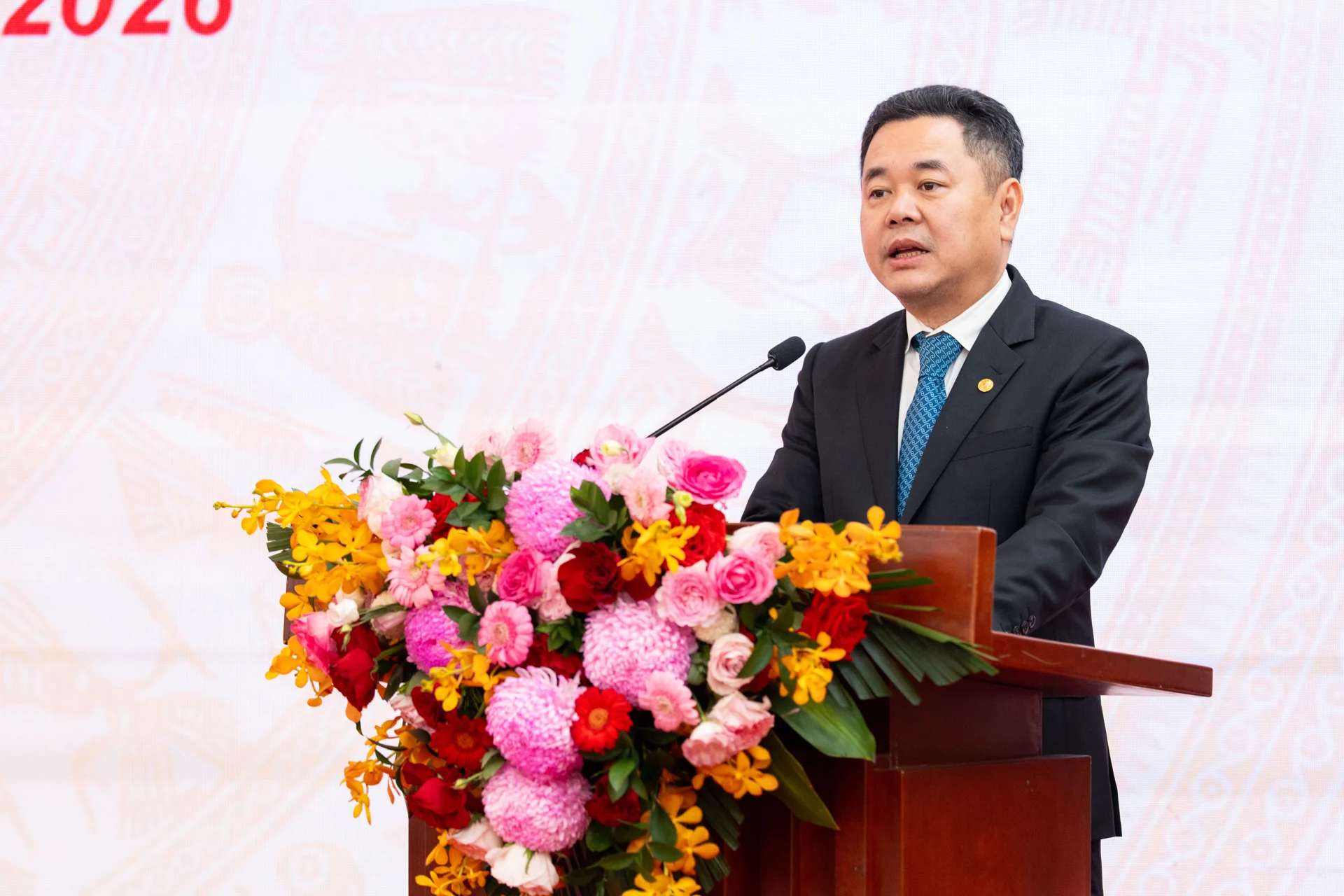
On the banking side, Mr. Nguyen Ngoc Canh said that the system of credit institutions always accompanies the business community and economic groups. This is a traditional, large-scale, reputable customer group, prioritized for credit to serve production and business activities, especially large projects of socio-economic significance, ensuring progress and efficiency.
Data by the end of 2025 shows that the outstanding credit balance of the economy reached about 18.6 million billion VND, an increase of 19.07% compared to the end of 2024, equivalent to about 144% of GDP. In which, outstanding credit balance for domestic enterprises accounts for about 48% of the total outstanding debt of the entire economy, while outstanding credit balance for corporations and general corporations accounts for about 7%.
Businesses must grow stronger to deeply participate in the global value chain
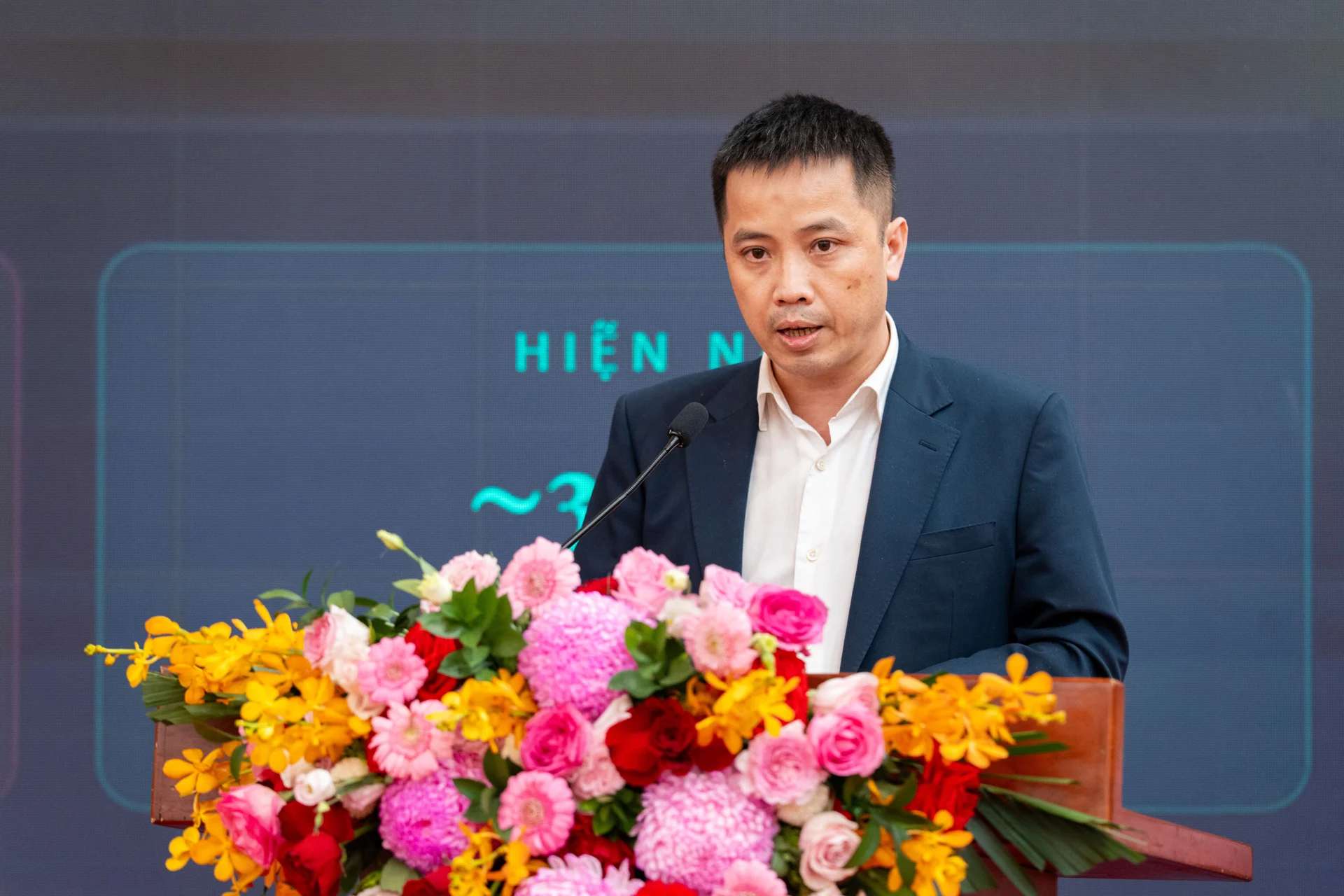
For businesses, Mr. Dau Anh Tuan - Deputy Secretary General of the Vietnam Chamber of Commerce and Industry (VCCI) said that in the past time, the private enterprise sector has achieved many notable results. In the ranking of the 500 largest enterprises in Vietnam, the number of private enterprises has increased significantly. Vietnam currently has 76 enterprises in the top 500 in Southeast Asia.
Some typical enterprises have risen in many fields such as THACO, VinFast, Hoa Phat in the manufacturing industry; FPT in technology; Vinamilk, Masan in consumer goods; along with Vingroup, Sun Group, BRG in infrastructure and real estate.
In addition, the private sector also showed rapid adaptability to fluctuations, especially during the pandemic, and actively participated in social security activities.
Despite achieving many achievements, Mr. Dau Anh Tuan believes that the private business sector still has many limitations and paradoxes. Businesses are numerous but not strong, dynamic but not deep, contributing greatly but their position in the global value chain is still modest.
The industry structure is not balanced when most of the revenue of large private enterprises comes from finance and real estate, while the processing and manufacturing industry still accounts for a low proportion. Notably, about 97% of private enterprises are small and medium-sized enterprises, mostly with a scale of less than 10 employees, besides about 5 million individual business households.
Small scale makes it difficult for businesses to invest in technological innovation, limiting their ability to deeply participate in the global value chain. Labor productivity in the non-state sector is also significantly lower than in the state sector and FDI sector. Investment in research and development (R&D) is still limited, while many businesses still operate according to the family model, lacking transparency and professional management.
According to Mr. Tuan, experience from countries such as Japan, South Korea and China shows that no economy is successful in transforming its development model without a strong private sector. Enterprises must be large enough to invest heavily, promote innovation and deeply participate in the global value chain.
Creating a competitive environment, supporting the formation of endogenous capacity for businesses
Mr. Tuan said that in that context, the role of the State is not to directly intervene in business operations, but to create a competitive environment, support the formation of endogenous capacity and share long-term development vision with businesses.
For private corporations to truly become the driving force of the economy in the coming period, there needs to be a strong shift from the financial and real estate sectors to manufacturing and technology; promote investment in R&D and innovation; build a linkage ecosystem between large and small enterprises; develop the capital market in depth; improve management capacity and promote the internationalization strategy.
At the same time, it is necessary to ensure institutional safety, protect property rights, limit criminalization of economic relations; avoid excessive dependence on the FDI sector; reduce risks from the in-depth multi-industry growth model; and form enterprises capable of leading the value chain in each industry.
According to Mr. Dau Anh Tuan, the goal by 2030 and vision to 2045 is not only to increase the number of businesses or GDP scale, but to build a class of private enterprises with technological capacity, capable of leading the industry and having a position in the regional and global value chain, thereby shifting from the role of participating in growth to the role of leading the modernization process of the economy.


