
High growth is not just about numbers
Sharing at the Workshop "Dynamism for double-digit economic growth and agricultural prospects 2026" organized by Nong Thon Ngay Nay newspaper on the morning of March 31, 2026, Dr. Vo Tri Thanh - Director of the Institute for Brand and Competitiveness Strategy Research, Member of the Prime Minister's Policy Advisory Council - said that the economy has passed the stage called "new normal".
According to him, the mindset and resources of the nation today need to be positioned in the recovery and development stage, with a higher action nature. The development of low, medium, and high growth scenarios also needs to be reconsidered, because even a low growth scenario at 8% is already a very high target in the current global context.

Dr. Vo Tri Thanh believes that economic growth should not only stop at mechanical figures but also aim for sustainable, inclusive development, promoting innovation and improving the resilience of the economy. This is also a problem of economic security, strategic autonomy, mastery of technology and supply chains.
Looking from international experience, maintaining hot growth for a long time can generate macroeconomic risks, social inequality and environmental problems. In fact, attracting investment capital is often much easier than promoting substantive innovation, because businesses still face many difficulties in accessing core technology.
However, Vietnam still has a basis to be steadfast in its high growth goals. The first is the aspiration to rise to become a high-income country. The second is the opportunity from the 4.0 industrial revolution, when Vietnam has the opportunity to master technology instead of just being behind. Vietnamese workers have advantages in flexibility, adaptability and logical and mathematical thinking, which are important foundations for mastering technology and modern management.
Unlocking resources, handling bad debts and developing the capital market
Besides opportunities, the economy is also facing many risks such as trade fragmentation, tariff policies from major markets, or geopolitical conflicts that could push inflation higher, putting pressure on exchange rates and interest rates.

To respond to these uncertainties and move towards long-term growth, Dr. Vo Tri Thanh believes that Vietnam needs to focus on 4 core policy groups: First, flexible behavior with the world, proactiveness and flexibility in economic diplomacy, especially issues related to energy and positioning advantages in front of international investors.
Second is macroeconomic stability, prioritizing risk management, controlling inflation, exchange rates and interest rate levels.
Three is to support the market and businesses, implement stimulus packages, and provide timely support for the business community to restore production.
Fourth is institutional breakthrough, promoting administrative reform, building a synchronous legal foundation (especially new resolutions on FDI) to create a transparent business environment.
According to Dr. Vo Tri Thanh, the economy still has great room if it knows how to unlock resources. In which, it is necessary to convert savings and idle capital in the people into production and business instead of speculation and accumulation. It is estimated that this amount of capital could be up to tens of billions of USD, equivalent to about 500,000 billion VND. Along with that, removing legal obstacles for about 800-1,000 large projects that are stalled will help pump hundreds of thousands of billions of VND into the economy, creating growth momentum in the short term.
On the banking side, Dr. Nguyen Quoc Hung - Vice President cum General Secretary of the Vietnam Banking Association said that to realize the goal of double-digit economic growth, financial resources are decisive and need to be synchronously unlocked from the capital market and the monetary market.
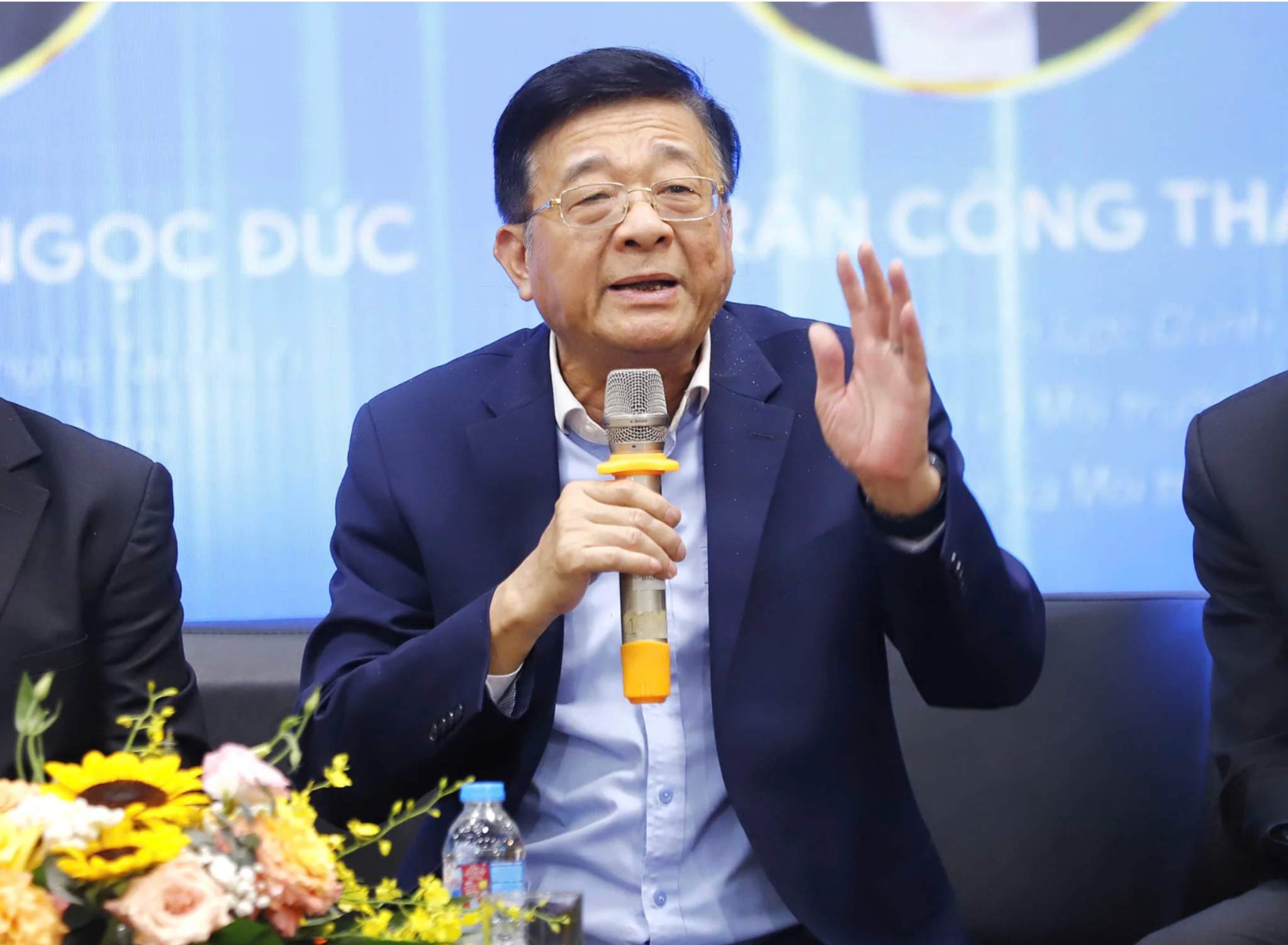
According to him, first of all, it is necessary to build a sustainable capital market, operating stably and transparently to attract idle resources in society, thereby providing long-term investment capital for the economy.
In addition, an important task is to handle about 1 million billion VND of bad debt to unlock cash flow in the economy. This is considered a large "blood clot" hindering capital flow. If this asset is handled and put back into circulation, the operating costs of the economy will decrease and create more growth momentum.
For the agricultural - rural sector, credit capital flows need to be prioritized for deep processing to improve the value of agricultural products. In the context of digital transformation and increasingly high requirements for green standards, credit not only helps increase production capacity but also must support businesses, cooperatives and farmers to meet green production standards to expand export markets.


