
Gasoline and oil prices in the recent operating session simultaneously increased sharply. According to technology taxi drivers, gasoline and oil are always one of the largest costs in the car operation process. Every day, a driver may have to travel dozens to hundreds of kilometers to pick up passengers. When gasoline prices increase, the cost spent on fuel also increases, causing the total operating cost to increase significantly.
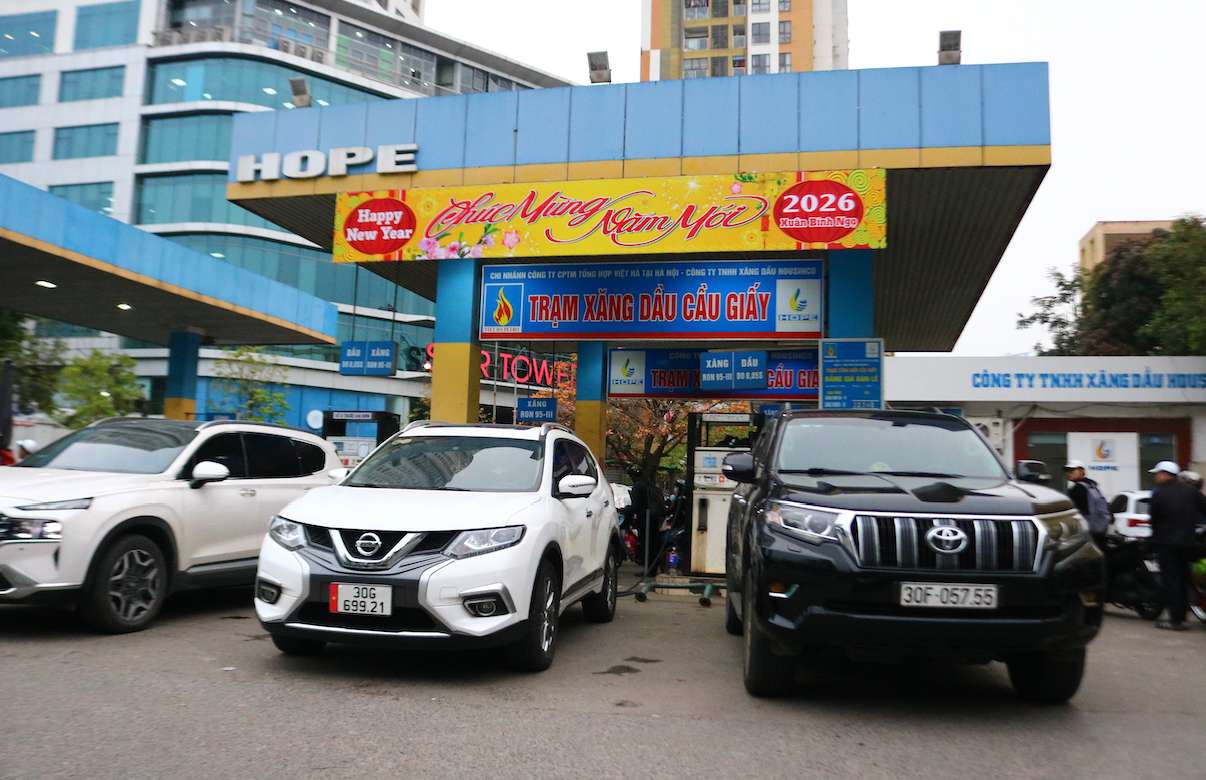
Mr. Tran Quang Huy - a technology taxi driver (Hanoi) shared that with lower gasoline prices, stable income can still be maintained after deducting expenses such as gasoline money, platform fees, car maintenance and vehicle depreciation. However, when gasoline prices increase, fuel costs account for an increasing proportion of total costs. This makes the remaining amount that drivers actually receive significantly reduced.
On average, I drive 200-300 km per day, the increase in gasoline prices as it is now means that costs also increase. It is estimated that each month I have to spend an additional 1.5-2 million VND on gasoline" - Mr. Huy analyzed.
Running a taxi for more than 5 years, Mr. Le Thuc Thanh (from Thanh Hoa) said that he used to drive a taxi in his hometown and then went to Hanoi with the hope of having more work. However, currently the number of taxi and technology car drivers is quite large, the number of customers is unstable, now the increase in gasoline prices greatly affects revenue. With the current increase in gasoline prices, I have to pay an additional 10% of my income costs for fuel each day.

According to Mr. Thanh, the increase in gasoline prices may also lead to an increase in people's living costs. Therefore, many people tend to cut unnecessary expenses, including using ride-hailing services by technology cars or taxis.
Previously, I could receive trips continuously throughout the day. But now, the waiting time for passengers between trips is longer. There are times when drivers have to wait dozens of minutes for customers to book a car, causing the total number of trips in the day to decrease. Not to mention that I usually don't drive during rush hours because the roads are crowded, the travel time is long and the fuel cost is higher" - Mr. Thanh added.
Mr. Tran Quang Huy also shared that the fares of many ride-hailing platforms usually do not change too quickly according to fluctuations in gasoline prices. This makes drivers have to "carry" the increased fuel costs themselves. Meanwhile, the fees that drivers have to pay to the platform or management company remain unchanged, causing real income to decrease.
Faced with increasing cost pressure, many drivers are forced to find ways to change their working habits to save fuel and improve their income. Some people choose to only drive during peak hours when customer travel demand increases. Others seek out densely populated areas, shopping centers, bus stations or office areas to increase their chances of getting a ride.
In addition, many drivers are also paying more attention to driving fuel-efficiently, limiting driving when there are no passengers or avoiding routes that may consume gasoline such as areas that are frequently congested. However, these measures only help reduce some of the cost pressure, but cannot completely compensate for the increase in gasoline prices.
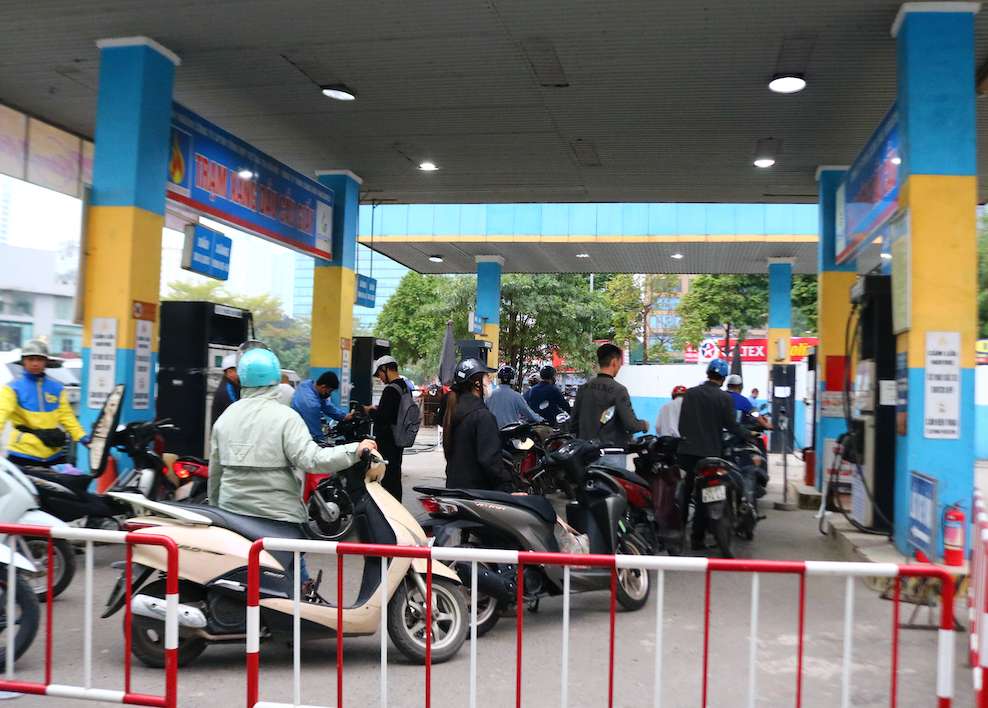
On March 6, the Ministry of Industry and Trade issued urgent document No. 1415 sent to the People's Committees of provinces and cities requesting to strengthen inspection and control of gasoline and oil business activities in the context of the complicated international situation.
In parallel with inspection work, the Ministry of Industry and Trade requests localities to promote propaganda and guidance for gasoline and oil traders to strictly comply with legal regulations, enhance responsibility in ensuring supply and contribute to market stabilization.
Notably, the Ministry of Industry and Trade requested to clarify the responsibilities of heads and civil servants in charge of the area if violations occurring in the managed area are not promptly detected and handled.


