
The fruit tree industry in the Mekong Delta (Mekong Delta) is facing the shock of climate change and material price fluctuations, from an expert's perspective, what recommendations do you have?
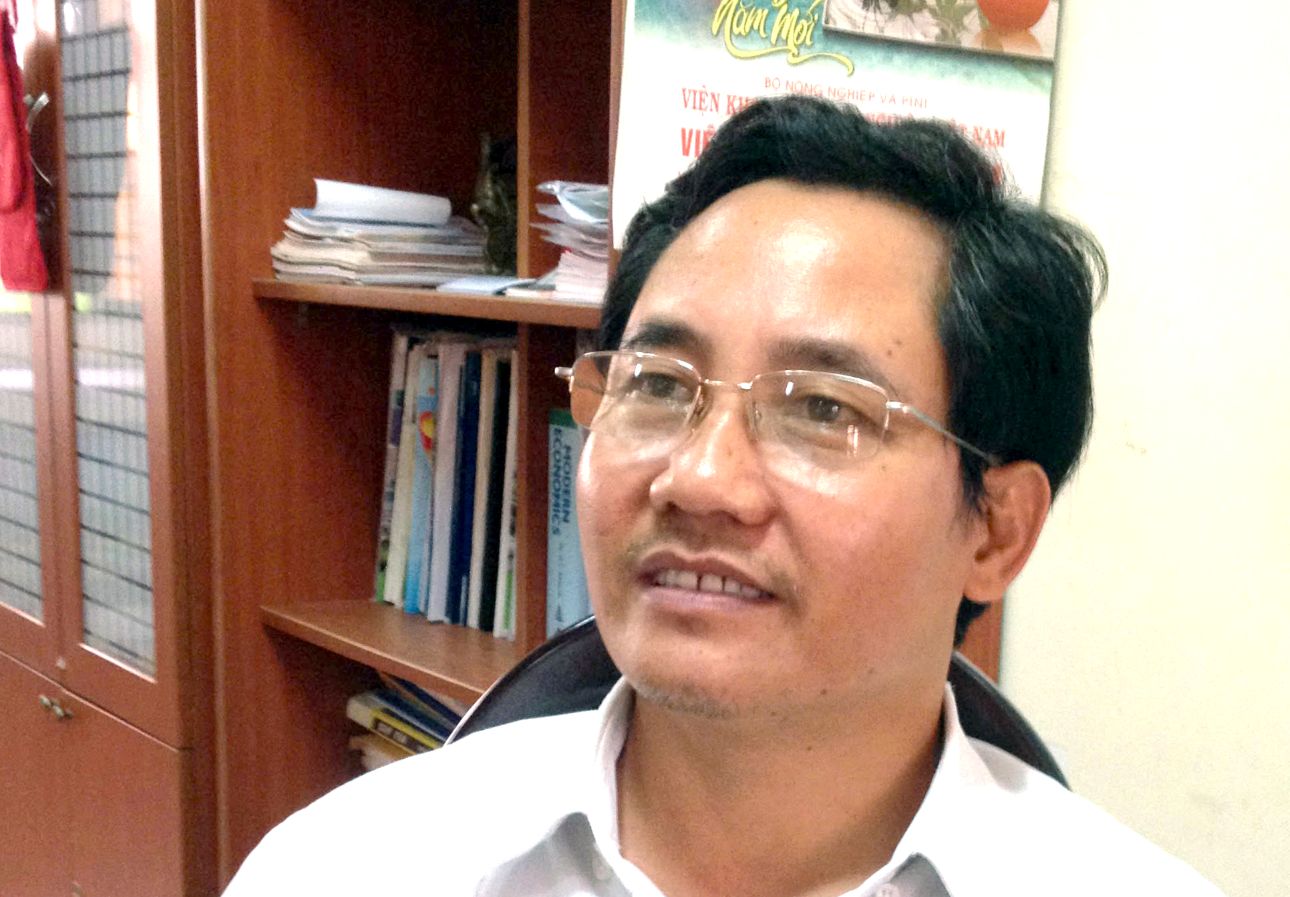
Dr. Doan Huu Tien: Climate change is increasingly clearly impacting the Mekong Delta with manifestations such as drought, saltwater intrusion, changes in rainfall... These factors directly affect the yield and quality of fruit trees. To limit the impact, first of all, it is necessary to focus on research and selection of crop varieties with better adaptability, such as drought-tolerant, salt-tolerant, and flood-tolerant. This is a fundamental solution, helping to stabilize production in increasingly extreme weather conditions.
In addition, meteorological forecasting work needs to be improved to provide timely information to gardeners. On that basis, people can proactively implement response measures such as reinforcing dykes, designing reasonable canals, storing fresh water or using salinity measurement equipment to control irrigation water sources.
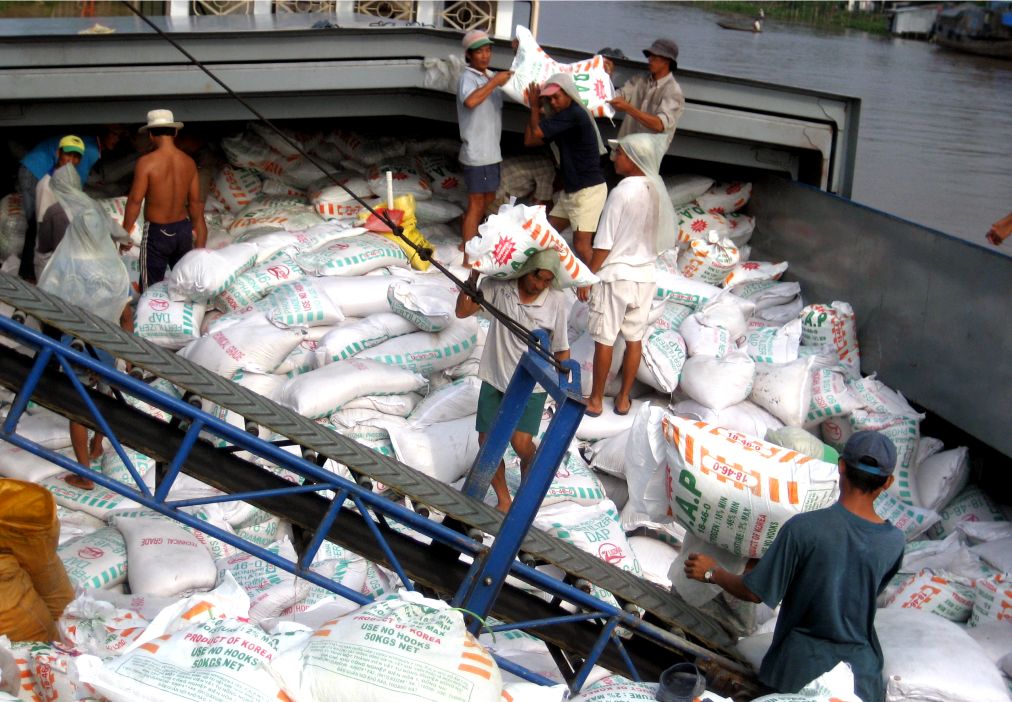
In addition to climate factors, fluctuations in agricultural material prices due to the impact of the world market are also a major challenge. Therefore, in production organization, it is necessary to focus on measures to save input costs, apply reasonable farming techniques to improve the efficiency of using fertilizers, pesticides and irrigation water.
According to you, how should the Mekong Delta fruit tree industry transform to reduce dependence on input costs?
Dr. Doan Huu Tien: To reduce dependence on input materials, it is necessary to change from production thinking to farming organization. One of the important solutions is to increase the use of domestically available materials, especially organic fertilizers produced by gardeners themselves such as manure, fish manure, and composted straw.
At the same time, it is necessary to promote plant protection measures in a biological direction, such as using natural enemies (golden ants) or natural preparations from garlic, chili, ginger... to gradually reduce dependence on chemical drugs. However, saving costs does not mean reducing productivity. The important thing is to apply the correct technical process, use inputs accurately and reasonably to still ensure the quality of agricultural products.
A noteworthy issue is that the current production scale is still small and fragmented, increasing costs per unit area. Therefore, it is necessary to promote production linkages and form large specialized farming areas. At that time, the application of techniques, mechanization and cost management will be more effective.
In the long term, in which direction should Vietnam's agricultural sector adjust its production model to improve its resilience, sir?
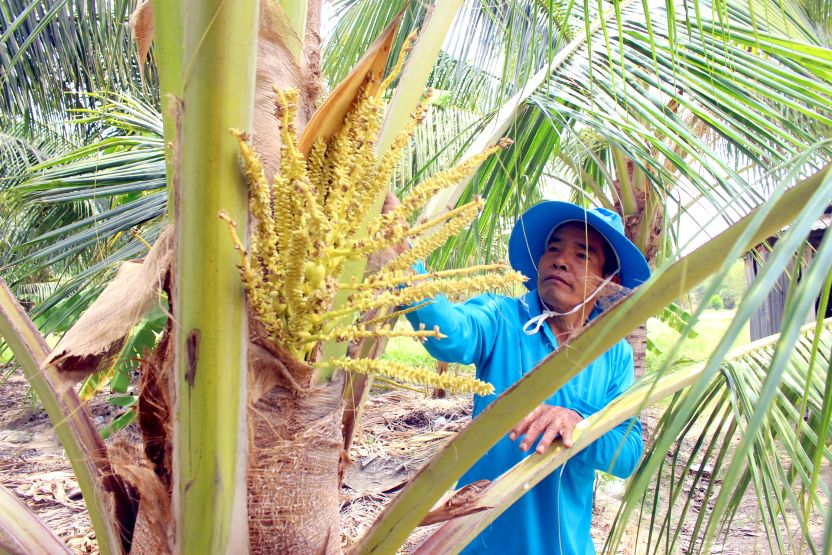
Dr. Doan Huu Tien: It is necessary to strongly shift to a more sustainable model. In which, ecological agriculture and circular economy are inevitable directions. These models help maximize the use of by-products and waste in production for reuse, forming a closed loop. For example, agricultural waste can be composted into organic fertilizer, both reducing costs, improving soil and protecting the environment.
Along with that, it is necessary to gradually reduce the use of chemical fertilizers and pesticides, and strengthen biological solutions to protect the health of soil, crops and producers. High-tech application also plays an important role.
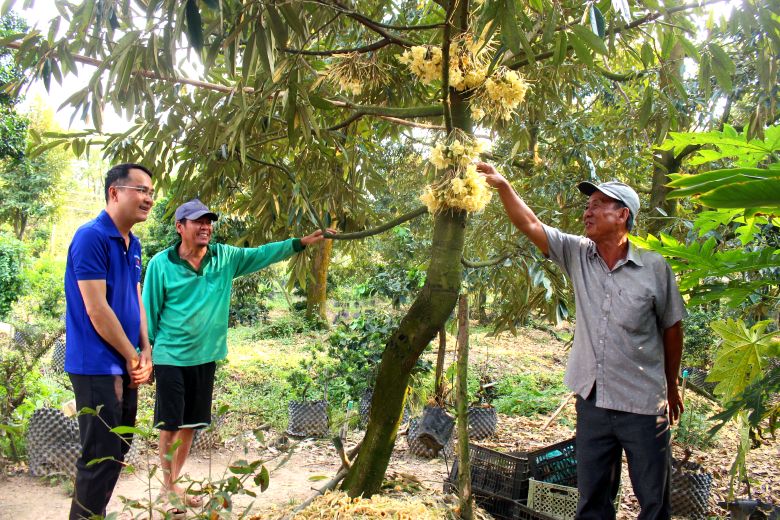
Solutions such as automatic watering, fertilization according to the 4-right method, using unmanned aerial vehicles to monitor and prevent pests and diseases... help optimize costs, limit waste and improve production efficiency. Technology also supports reducing labor costs, improving the quality of post-harvest stages such as sorting, packaging, and transportation.
It can be said that to improve resilience to global fluctuations, the agricultural sector needs a comprehensive strategy, combining technological innovation, production organization and sustainable development. This is the foundation for Mekong Delta fruit trees to continue to affirm their position in the future.


