
From GDP per capita of more than 5,000 USD to the target of about 8,500 USD by 2030, Vietnam is moving towards new development steps. As income increases and demand is upgraded, the consumer market can expand not only in scale but also in value, creating more growth space for businesses with strong brands and large coverage such as Masan Consumer (HOSE: MCH).

From 5,000 USD to target 8,500 USD/person
2025 marks a new milestone for the Vietnamese economy when GDP per capita reached about 5,026 USD, an increase of 326 USD compared to the previous year. According to the Statistics Office, the GDP scale reached about 514 billion USD and Vietnam entered the group of high-middle income countries.
The growth momentum continued to be maintained in 2026. GDP in the first 6 months of the year increased by 8.18%, the highest in the same period since 2011; Q2 alone increased by 8.39%. Total retail sales of goods and consumer service revenue increased by 12.9%.
Further, the National Assembly sets a target for average GDP in the period 2026–2030 to increase by 10%/year or more, while GDP per capita is oriented to reach about 8,500 USD by 2030. If the high growth trajectory is maintained, continued improvement in people's incomes could lay the foundation for deeper changes in the consumer market.
Similar shifts have appeared in major markets in Asia. In China, as income and the middle class expanded, the FMCG structure gradually shifted from the popular segment to higher-value segments. According to Masan Consumer's documents, the Vietnamese consumer market is currently assessed to be in a stage equivalent to China about 7–10 years ago on the development path.
India is also witnessing a similar process in its own way. BCG believes that the country's retail market is being shaped by the expansion of the wealthy class and the trend of high-endization, along with increasing demands for the value received from each expenditure.
Vietnam does not necessarily repeat the path of China or India. However, experience from these markets shows that when income increases, the consumer market may change not only in scale but also in demand structure.
Economic growth goes hand in hand with consumer quality
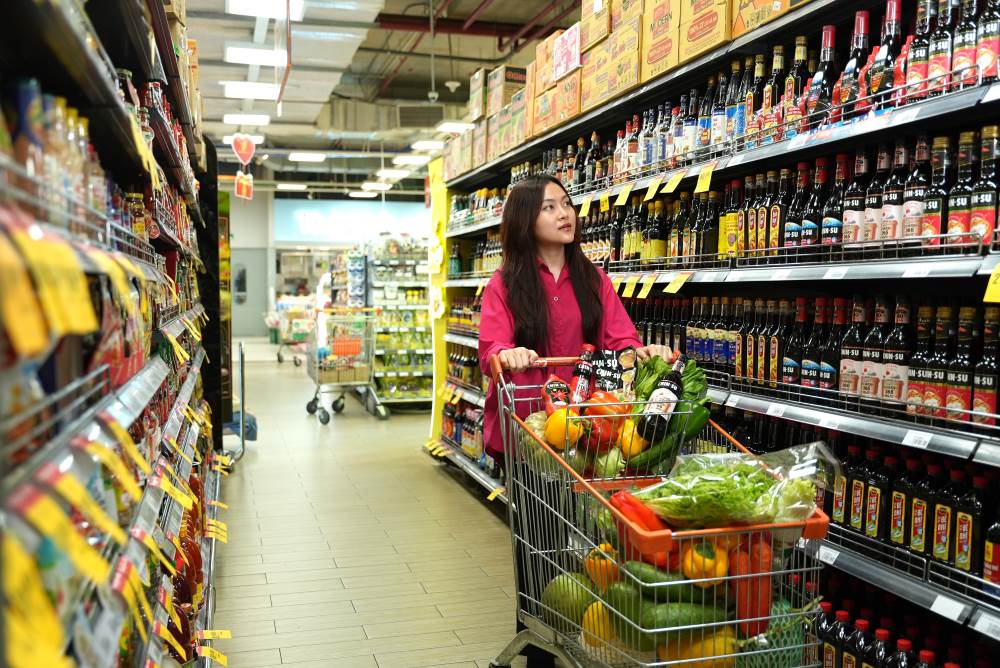
As income increases and basic needs are gradually met, consumers tend to look for better quality food, more convenient meals, healthier products and brands that bring more value.
Boston Consulting Group (BCG) calls the transition to higher-value products in the same industry high-end. This trend is not simply choosing products with higher prices; quality and actual value are increasingly playing an important role in purchasing decisions.
For industries that already have high penetration, this opens up another growth method: instead of just selling more in quantity, businesses can grow as consumers upgrade their choices or expand spending to new needs.
From a macroeconomic perspective, consumption and services are also seen as driving forces that need to be further expanded, besides investment, production and exports, to support Vietnam's two-digit growth target.
If GDP per capita moves from more than 5,000 USD currently to the target of about 8,500 USD by 2030, what is worth monitoring is not only how much more Vietnamese people will spend, but how different they will spend.
Where does MCH stand in the new consumption cycle?
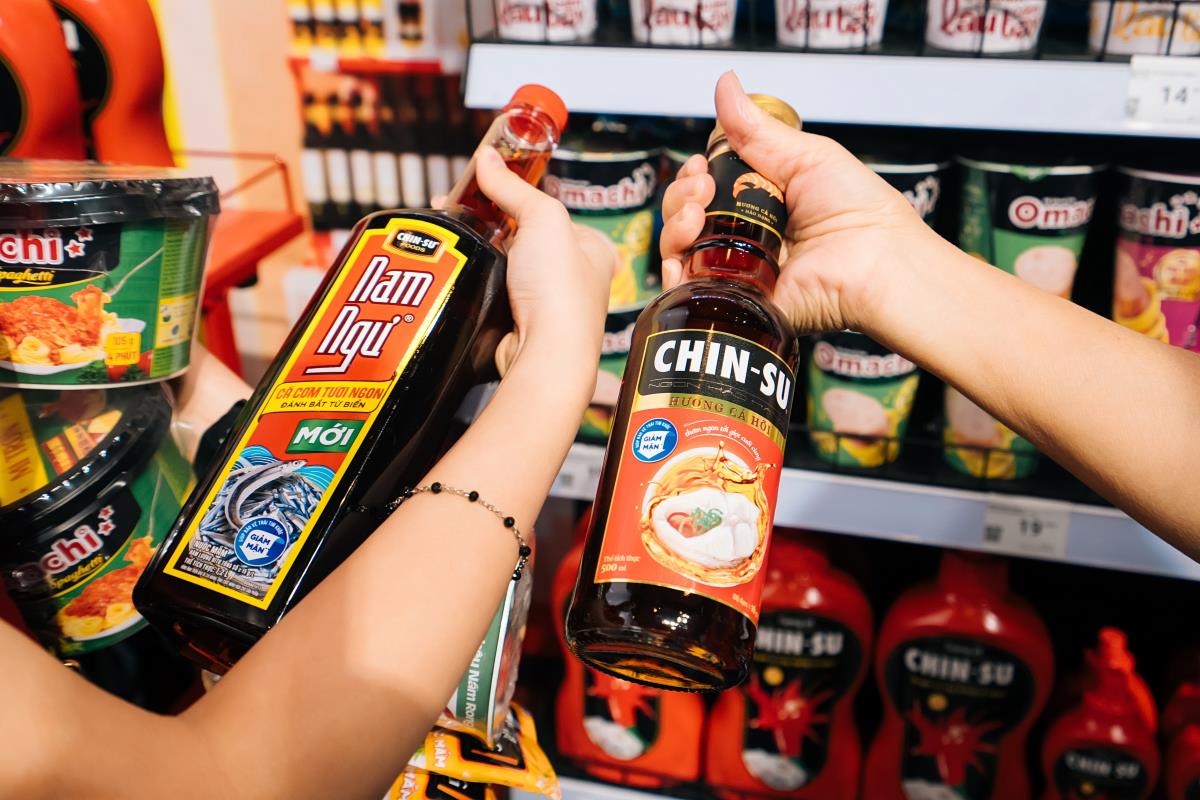
MCH brands are present in about 98% of Vietnamese households and enterprises hold leading positions in many participating industries. With large-scale coverage, growth potential is increasingly associated with the ability to create more value from existing consumer groups.
One direction is to increase the value of core industries. In spices, CHIN-SU is expanding to products with higher value; in convenience food, Omachi focuses on the high-end segment. In parallel, MCH develops new consumer spaces through drinks, family and personal care.
Q2/2026 results partly reflect these drivers. MCH's revenue increased by 14.2% over the same period, of which output increased by 12.5%. Some new segments recorded significantly higher speeds, with family and personal care increasing by 59.6%, while international business increased by 26.9%.
MCH also deepened its distribution network through Retail Supreme, aiming to increase the number of products and industries at each point of sale. In another direction, Go Global expanded the market for brands built in Vietnam.
Thus, as income and consumer demand continue to rise, MCH can access many layers of growth: upgrading core industries, expanding to new demands, deeper exploiting distribution networks and accessing international markets.
GDP per capita exceeding 5,000 USD does not determine a new growth cycle for FMCG itself. But if Vietnam continues to increase income in the coming years, the consumer market may expand both in scale and value. With MCH, when the brand is present in about 98% of households, long-term potential lies not only in reaching more consumers, but in the ability to create more value when the needs of existing consumers are increasing.


