
RWA reshapes new generation financial infrastructure
On April 7, 2026, the Vietnam Blockchain and Digital Assets Association (VBA) organized a workshop "Real Asset Encryption Solutions (RWA): Balancing Benefits and Risk Management for Investors", attracting hundreds of legal, financial, and technology experts from home and abroad to attend.
Speaking at the opening, Lieutenant General Dang Vu Son, Former Head of the Government Cipher Committee, Senior Advisor of the Vietnam Blockchain and Digital Assets Association, said that the global financial market is facing a wave of comprehensive restructuring technology, in which encrypted real assets are one of the prominent trends.
According to forecasts by Boston Consulting Group (BCG), the RWA market size could reach about 19,000 billion USD in the next decade, equivalent to more than 10% of global GDP. This shows that RWA is not just a temporary trend but is contributing to reshaping the new generation financial infrastructure on the blockchain platform.
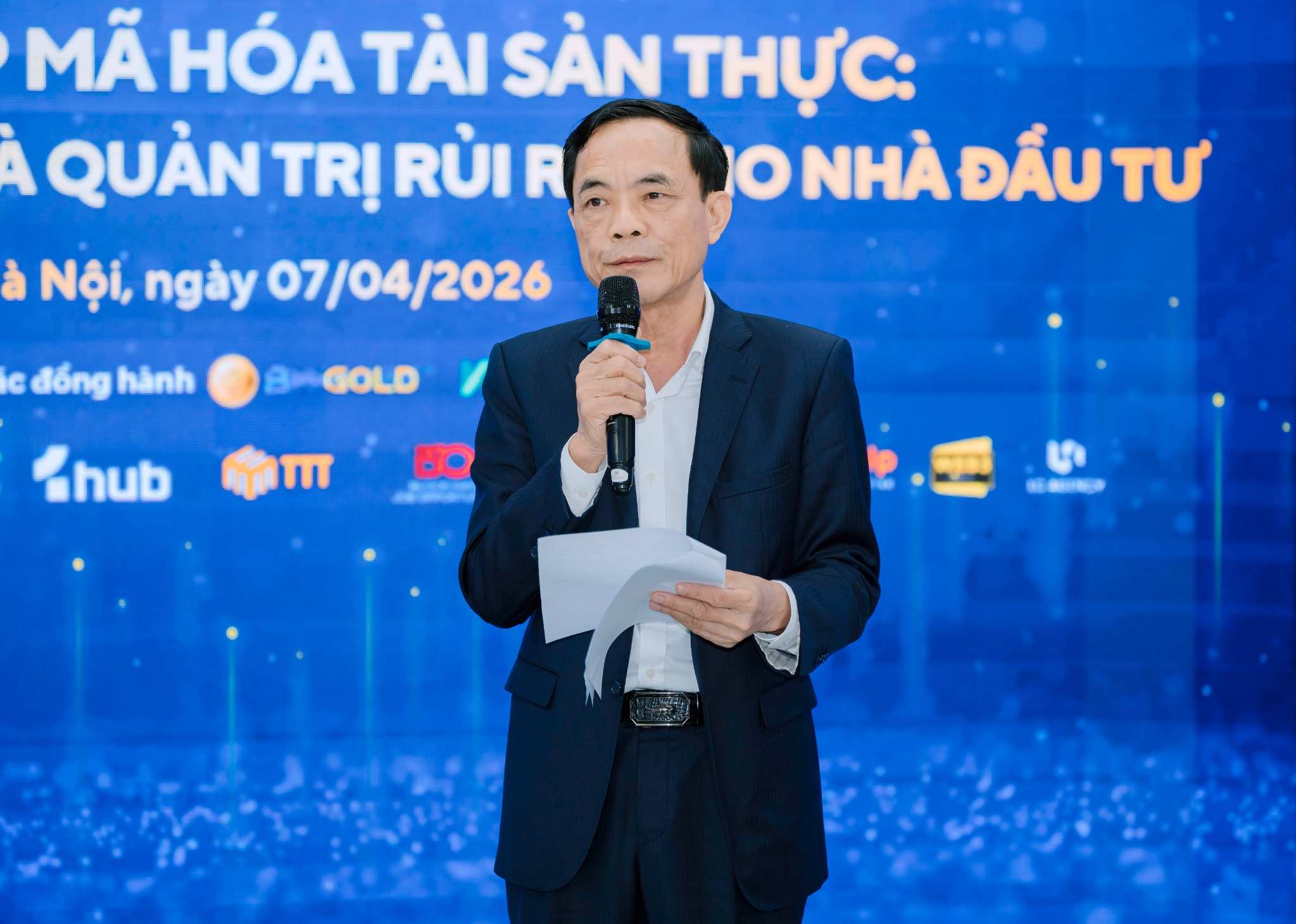
According to Mr. Son, the conversion of asset ownership into tokens allows assets to be fragmented, traded continuously 24/7, across borders and more transparent. International reality shows that many types of assets such as gold, bonds, and real estate have been tokenized, gradually forming a new financial infrastructure layer in parallel with the traditional system.
For Vietnam, Lieutenant General Dang Vu Son assessed that this is a market with many favorable conditions for RWA development, from high level of digital asset acceptance, large investment demand to rapid digitalization. Vietnam is also continuously in the group of countries with a high percentage of people owning and using digital assets, creating an important social foundation for testing encrypted asset models associated with real assets.
One of the important pillars for this development is the transformation of the legal corridor. From January 1, 2026, the Law on Digital Technology Industry officially takes effect, for the first time bringing the concepts of "digital assets" and "crypted assets" into the legal system. Along with that is Resolution 05/2025/NQ-CP on piloting the cryptocurrency market and decisions related to the national blockchain strategy, the list of strategic technologies prioritized for deployment.
These policies allow Vietnam to test the tokenization model within a supervised framework, showing a shift from a cautious approach to proactive controlled testing, both promoting innovation and ensuring the safety of the financial system.
Great potential but also many risks
From an investment perspective, Mr. Nghiem Minh Hoang - Head of RWA, Vietnam Digital Asset Investment Club (VIDA) - said that the RWA market in Vietnam has great growth potential, with an expected scale of 70-80 billion USD by 2030.

However, to achieve this goal, the market requires the synchronous development of the legal framework, infrastructure and especially a transparent risk management mechanism. In which, risk management is considered a top priority for investors, issuers, exchanges and management agencies.
According to Mr. Hoang, RWA products, especially highly liquid assets such as crypto gold, are facing 12 main risks, divided into 3 groups.
The first is the risk of underlying assets, including custody risk, "illusion" of reserve transparency and legal ownership risk. In the tokenization model, investors depend on the custodian, while reserve audits only reflect at one point in time. Token holders often do not have direct legal ownership of assets and may be disadvantaged if the issuer encounters problems.
Second is the risk of financial structure. RWA models can create a guarantee gap when collecting money first, buying assets later. Investors may face an asset asymmetry when the decision-making power over the timing of asset purchase is on the issuing side. In addition, ethical risks and segmentation reserves may also arise if the token amount exceeds the guaranteed asset.
Third is the risk of technology and the market. Liquidity on digital platforms can only be nominal, not ensuring the ability to convert into real assets. The exchange mechanism is often accompanied by limited conditions, high costs or prolonged waiting times. Risks from smart contracts and technical infrastructure are also factors to note, while blockchain only ensures data on the chain without verifying assets outside the chain.
Risk control is a decisive factor in market confidence
Sharing international experience, Dr. Kamal Anand – CEO of BIGOD – said that the focus of tokenization is not on technology but on the design of multi-layered risk control systems.
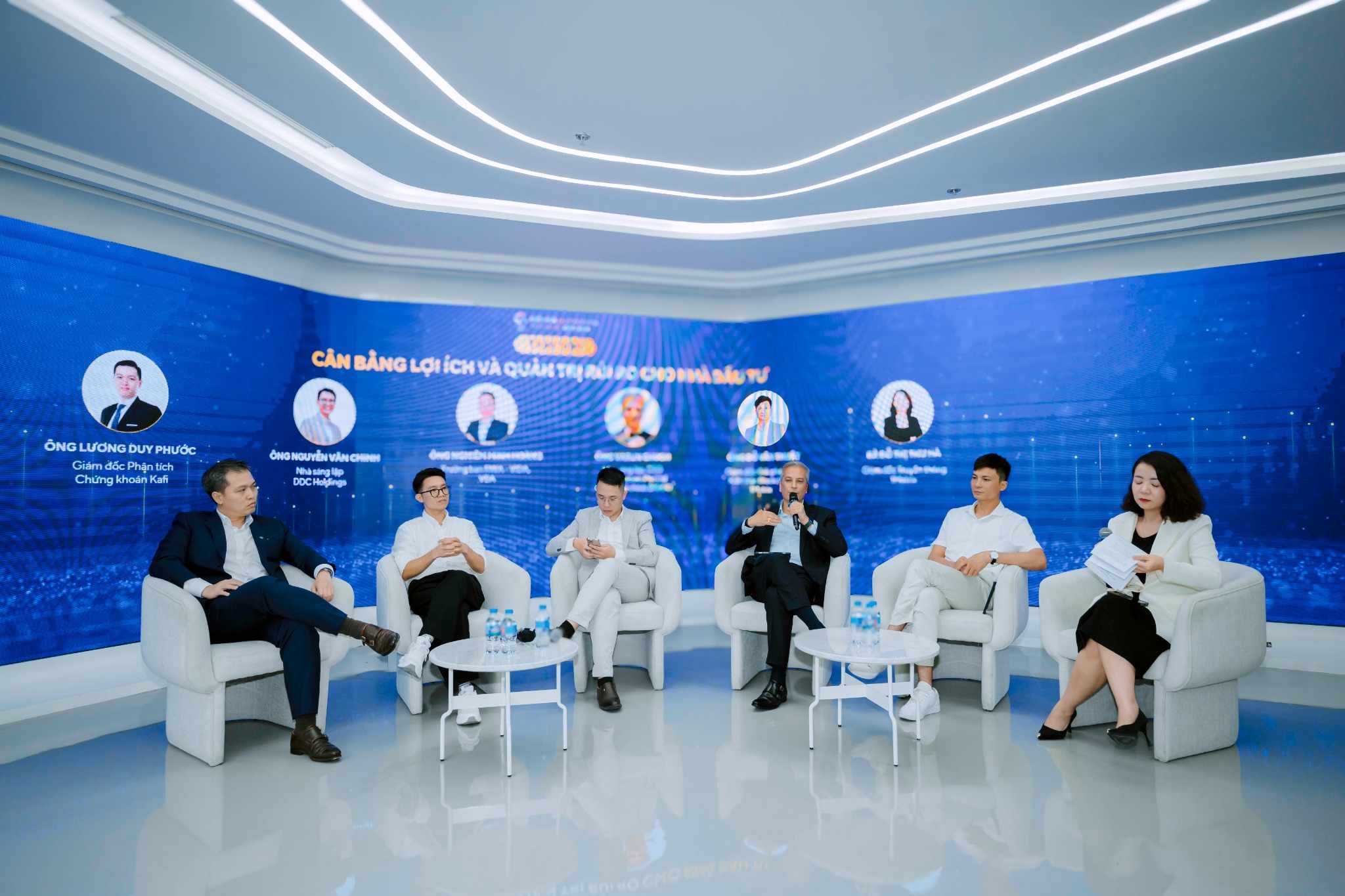
Accordingly, real assets need to be deposited separately, clearly define ownership, accompanied by an independent audit and verification mechanism to ensure reserve transparency. Blockchain plays a role in recording and tracking transactions, while the financial application layer determines the operational capacity of assets.
The challenge is not in technology, but in the ability to ensure authenticity, continuous verification and operating discipline – factors that determine the trust and level of safety of the model," Dr. Kamal Anand emphasized.


