
Business ecosystem associated with value chains
The annual economic report of the Mekong Delta 2025 (published on the afternoon of May 28) shows that this is a particularly important economic region, contributing over 90% of rice exports and about 58% of the country's foreign exchange surplus.
However, if in 2000, the region used to account for about 22% of the total number of businesses in the country, now it is only about 7%. Notably, micro-enterprises in the region account for more than 40%, the highest in the country, while the middle and chain-leading enterprises are still very thin.
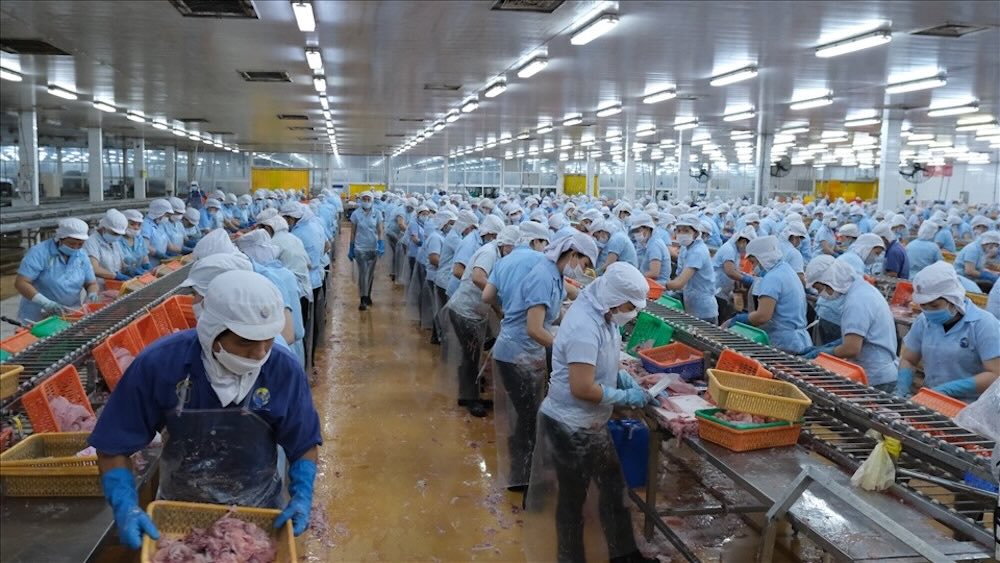
On that basis, VCCI determines that in the current context, business development is a key driving force for economic growth in the Mekong Delta.
Assoc. Prof. Dr. Ho Sy Hung, Chairman of the Vietnam Chamber of Commerce and Industry (VCCI) identified that the vision to 2030 is to shift the Mekong Delta from a raw material area to an innovative business ecosystem, from agricultural production to agricultural economy.
This vision is only sustainable if the development of logistics, processing, energy and new industry clusters is placed within the ecological limits of the delta, according to the principle of favorable weather, resource saving and adaptation to climate change.
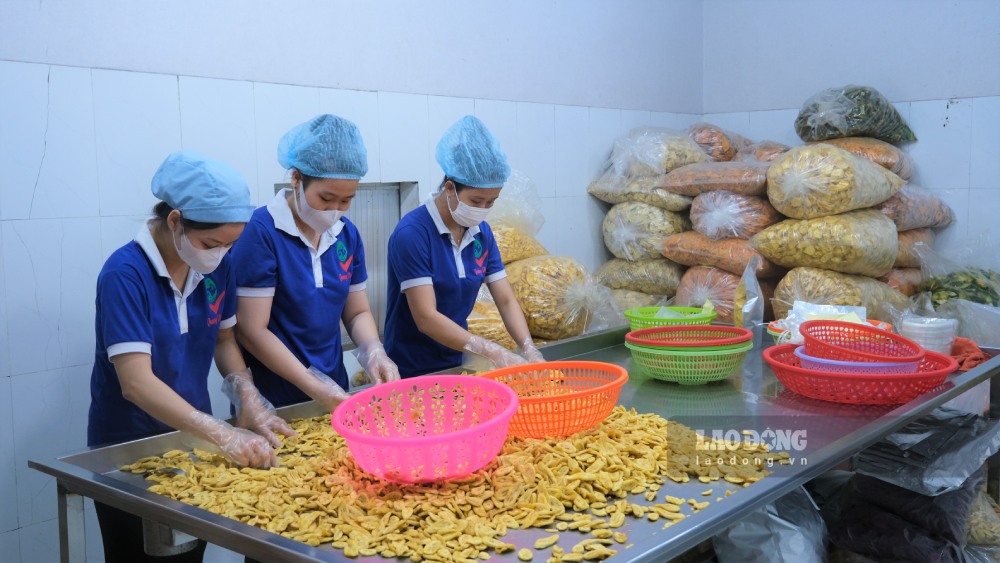
At the announcement ceremony, Mr. Le Tan Can, Deputy Minister of Finance - stated his opinion that it is necessary to strongly promote the private enterprise ecosystem in the fields of processing, logistics, agricultural technology, data and digital commerce, creating motivation for businesses not only to participate in production but also to lead the value chain, build brands and improve the competitiveness of Vietnamese agricultural products in the international market.
With the specific characteristics of the region, policies need to be researched to link businesses with the agricultural, fishery and logistics value chains, instead of spreading out support" - Mr. Can said.
Strengthening Can Tho's role
According to data from the Ministry of Finance, as of early May 2026, the whole region had nearly 70,000 businesses operating and this is still the region with the lowest business density in the country.
It is known that VCCI has identified a policy action framework for localities in the Mekong Delta. In which, Can Tho needs to be strengthened as a service, training, logistics, finance and innovation center; the remaining localities need to be positioned according to the raw material, processing, seafood, fruit, energy, environment, tourism and support services chains.
The goal is not that each locality has enough industries, but that the entire region has a relatively complete ecosystem for key industries" - the report clearly stated.
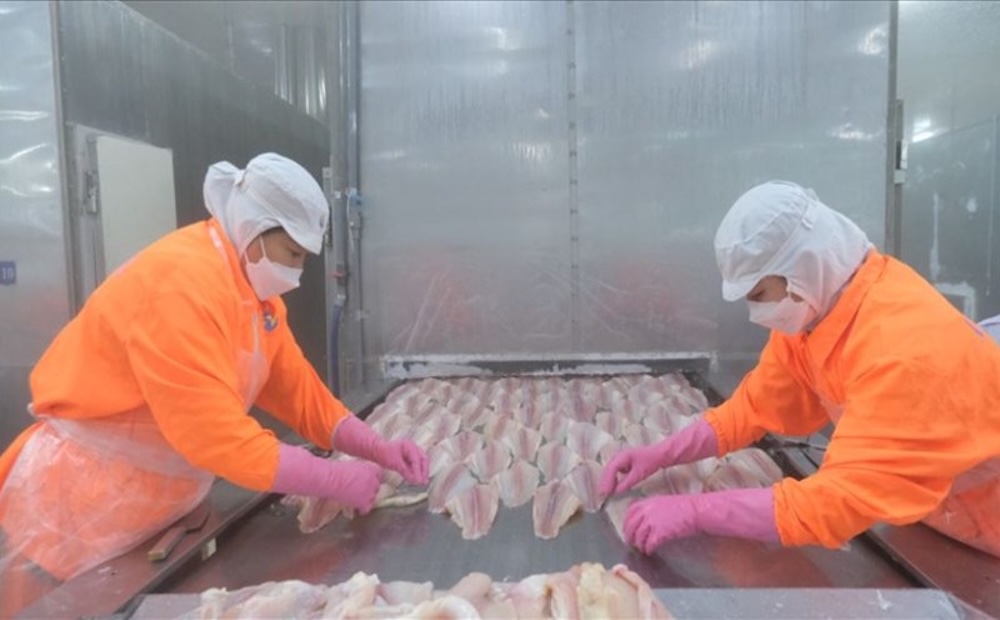
Regarding this issue, Chairman of Can Tho City People's Committee Truong Canh Tuyen - committed that, in its role as the center of the Mekong Delta, Can Tho is interested in and has determined to immediately complete the coordinated infrastructure system to transform the advantage of transport connection into real economic value for businesses.
At the same time, institutional reform and improvement of the business environment through PCI will focus on cutting time and informal costs, improving transparency in land access and planning to firmly support the accumulation capacity of the private sector.
The Ministry of Finance is committed to continuing to accompany the Mekong Delta region, listening to and absorbing feedback from VCCI as well as from the business community, thereby constantly improving financial institutions, creating favorable conditions for businesses in the Mekong Delta region to develop, improve competitiveness, participate more deeply in the value chain, contributing to bringing the Mekong Delta to prosperous and sustainable development" - Deputy Minister of Finance said.


