
3 bottlenecks
The annual economic report of the Mekong Delta (Mekong Delta) in 2025 (published on the afternoon of May 28, 2026) shows that in the past year, the entire region attracted less than 1 billion USD of FDI capital, accounting for only 2.45% of the total registered capital of the whole country, mostly concentrated in labor-intensive industries or individual energy projects.
The capital absorption capacity of the intra-regional production sector is still weak when the credit growth rate is lower than the capital mobilization growth rate, and agricultural credit balance only accounts for a modest proportion of 8%.
Currently, in the Mekong Delta, up to 87.8% of businesses are micro-enterprises. The region has an absolute advantage in agriculture, contributing more than 30% of GRDP, but the number of agricultural enterprises accounts for less than 5%.
At the Announcement Ceremony, Ms. Dang Mai Kim Ngan, Deputy General Director of Tax and Legal Department of Deloitte Vietnam - also informed that this year's report points out a thought-provoking reality. That is, the region that once accounted for about 22% of the total number of businesses nationwide in 2000, but that number is now only about 7%.
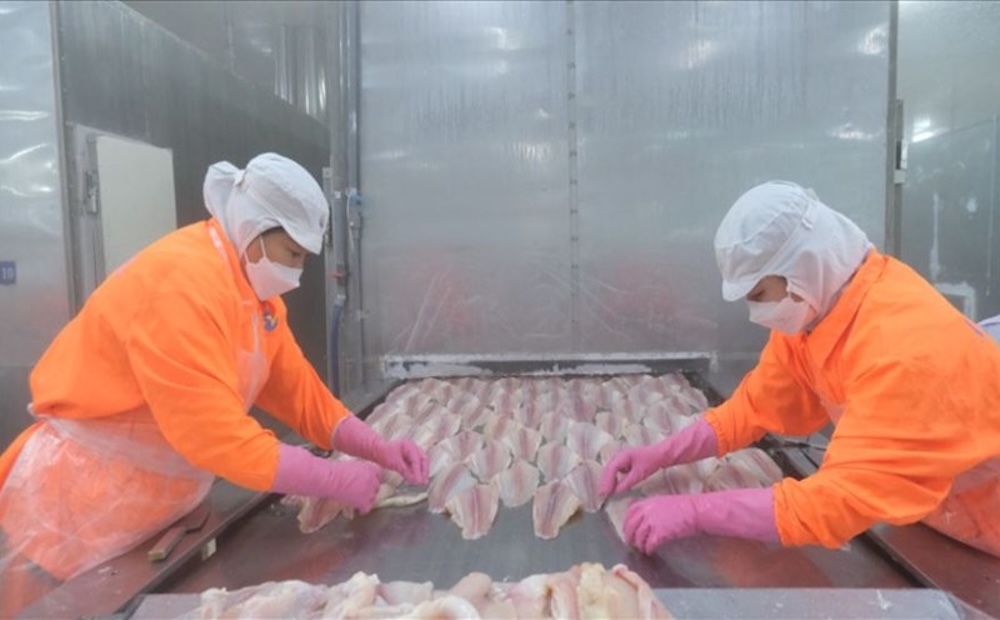
Ms. Kim Ngan said that there are 3 reasons leading to the above situation: first, lack of capacity to reorganize advantages; second, institutions and the business environment are the core bottlenecks and finally, high-quality FDI does not come naturally - needs to be invited properly.
Accordingly, the Mekong Delta currently has the lowest density of FDI enterprises in the country. The number of FDI enterprises is still very modest, which is evidence that the Mekong Delta has not been positioned and marketed properly as a strategic investment destination.
Update "investment map
On that basis, Ms. Kim Ngan frankly shared 3 solutions to help the Mekong Delta region become more attractive in the eyes of investors.
First of all, it is to transparentize the legal and planning environment, because investors are not afraid of risks, they are only afraid of unpredictable risks.
I believe that each Mekong Delta province should have an'investment map' that is updated regularly and transparently about industrial land funds, investment incentives and investor reception points instead of dispersed information as it is now" - Ms. Kim Ngan emphasized.
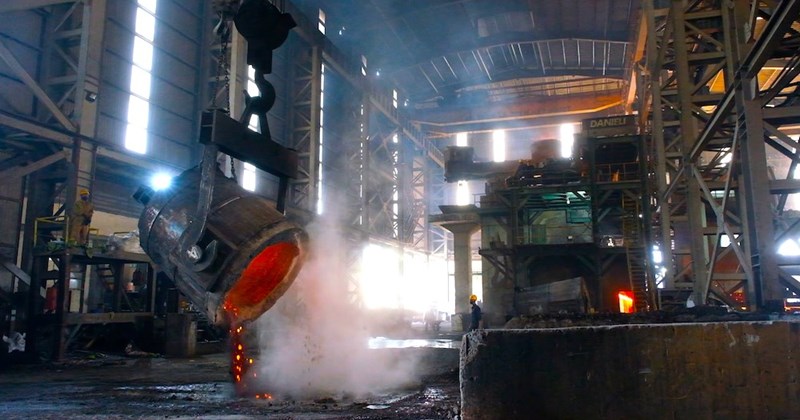
Next, it is necessary to position the Mekong Delta as an agricultural, processing, and logistics economic center, instead of just a raw material area.
Deputy General Director of Tax and Legal Deloitte Vietnam - said that the local marketing story of the Mekong Delta is still limited to "rice granaries, shrimp and fish granaries". Meanwhile, investors in the food industry, cold chain supply or high-tech agriculture want to hear more about processing productivity, export standards, infrastructure connectivity, as well as project approval speed.
The Mekong Delta, with the coordination of the Vietnam Chamber of Commerce and Industry (VCCI) and localities, can build a standard'investment pitch' (or investment attraction message) for each strategic industry such as agricultural and aquatic products, processing, logistics or energy" - Ms. Kim Ngan said.
Finally, Ms. Kim Ngan also oriented that the Mekong Delta needs to create "success points" that can be replicated. Accordingly, each successful model, no matter how small, if recorded, mediated and replicated, will be the most convincing evidence of the potential of the Mekong Delta.
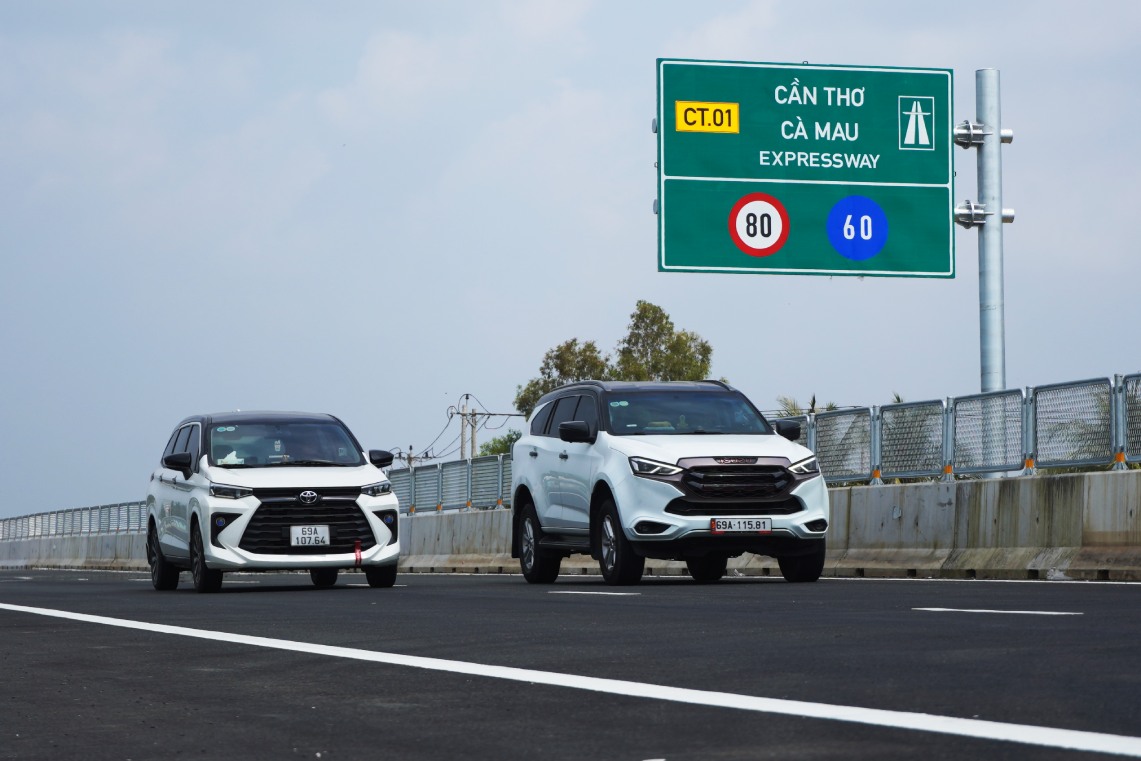
At the same time, she reminded localities that investing in soft infrastructure is as important as hard infrastructure.
Ho Chi Minh City - Can Tho expressway or most recently Can Tho - Ca Mau shorten travel time, that is good news. But what we need more is cold storage, quality accreditation center, digital logistics services and accompanying technical human resources to create high value on the spot" - Ms. Ngan added.


