
Information from the annual economic report of the Mekong Delta (Mekong Delta) in 2025 (announced on the afternoon of May 28) shows that after local mergers, the growth rate of new provinces and cities in the region tends to be more uniform and no longer shows double-digit spikes in some provinces as before.
The Mekong Delta maintains a high level of goods trade surplus and makes a significant contribution to the overall trade balance of the country. The three groups of goods seafood, vegetables and rice continue to hold a proportion of about 5%–6% of the country's total export turnover.
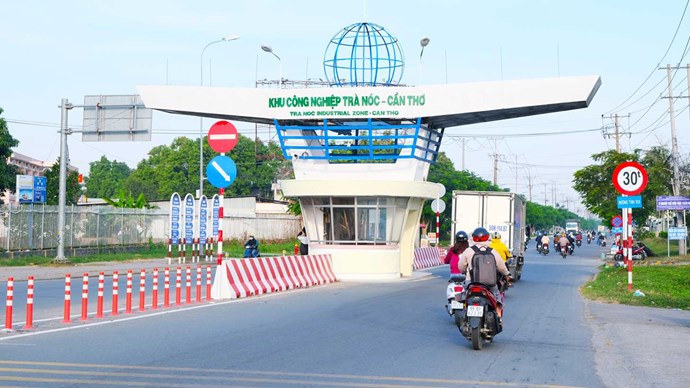
Unlike regions heavily dependent on imported industrial raw materials, the Mekong Delta continuously has a trade surplus thanks to the inherent value of agricultural products.
In the period 2015–2024, the region's export turnover increased from 8.5 billion USD to 20.3 billion USD, averaging 10.2%/year. At the same time, import turnover increased from 3.4 billion USD to 8.6 billion USD, with an average rate of 11%/year. The region's trade surplus increased from 5.2 billion USD in 2015 to 11.8 billion USD in 2024, averaging 9.6%.
According to assessments, although infrastructure conditions are not really attractive to businesses, the dynamism of the new government and strong entrepreneurial spirit have helped the Mekong Delta provinces develop businesses stably.
In 2025, the Mekong Delta had 16,341 newly established enterprises, an increase of 30% compared to the previous year. In the first 4 months of 2026 alone, the region had more than 3,900 enterprises participating in the market, an increase of 1.8 times compared to the same period last year, and is the region with the highest rate of enterprise development in the country.
However, this report points out that the economy of the Mekong Delta region still has many limitations with paradoxes unfolding.
Accordingly, the region is lacking high-quality human resources, low labor productivity and a trend of decreasing capital accumulation intensity are core barriers limiting business scale.
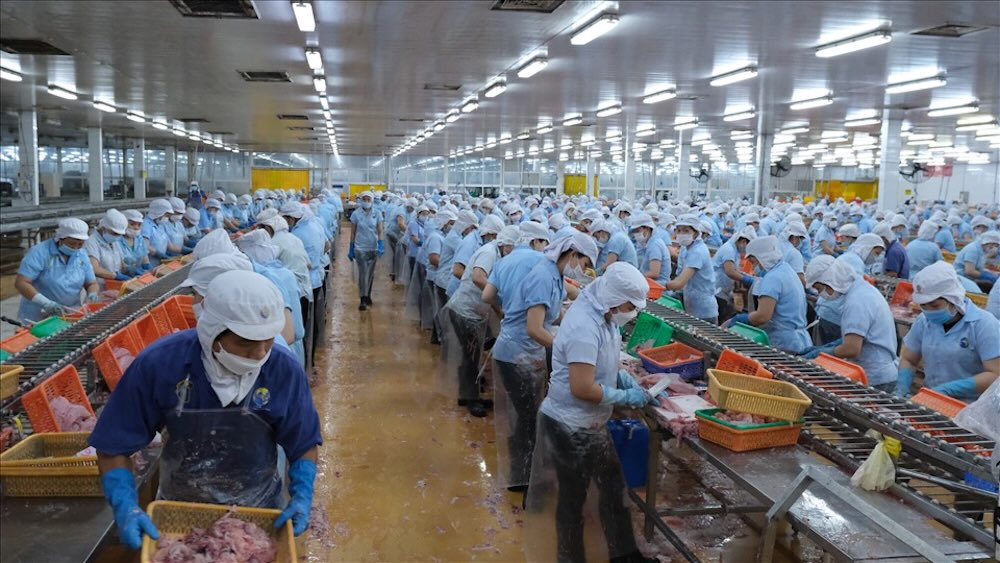
The rate of trained workers in the region in 2024 is only 16.3%, significantly lower than the 23.9% of the Southeast region, which is weakening the absorption capacity of investment, FDI and technology of the Mekong Delta.
The industry structure shows a paradox of the Mekong Delta, which is that although strong in agriculture, there is a lack of strong enough businesses in this field.
At the Announcement Ceremony, the Chairman of Can Tho City People's Committee also acknowledged that this year's Economic Report has the theme of business development, which is an extremely important and meaningful content, helping localities, including Can Tho, have information sources and a basis for building appropriate policies to develop new businesses, attract investment and develop the economy in the long term effectively.
On that basis, the Chairman of Can Tho determined that the city should immediately complete the coordinated infrastructure system to transform the advantage of transport connection into real economic value for businesses.
At the same time, Can Tho reforms institutions and improves the business environment through PCI, will focus on cutting time and informal costs, improving transparency in land access and planning to firmly support the accumulation capacity of the private sector.


