
More than 260 redundant public houses and land facilities need to be handled
According to a report by the Ca Mau Provincial Department of Finance, the whole province currently has 1,381 houses and land establishments that are working headquarters and non-business establishments. After the process of arranging the organizational structure, administrative units and public non-business establishments, 309 establishments have been identified as redundant.
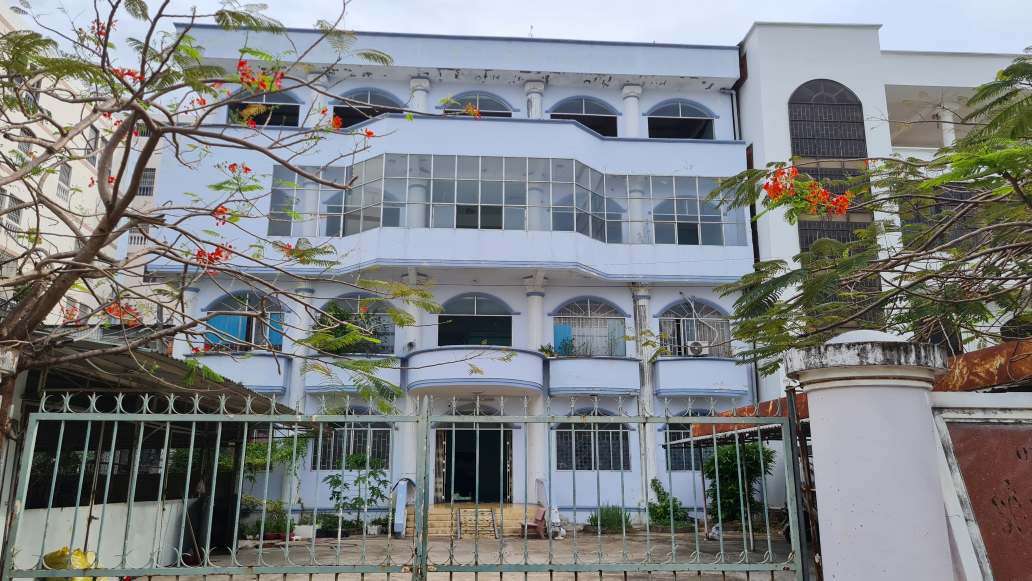
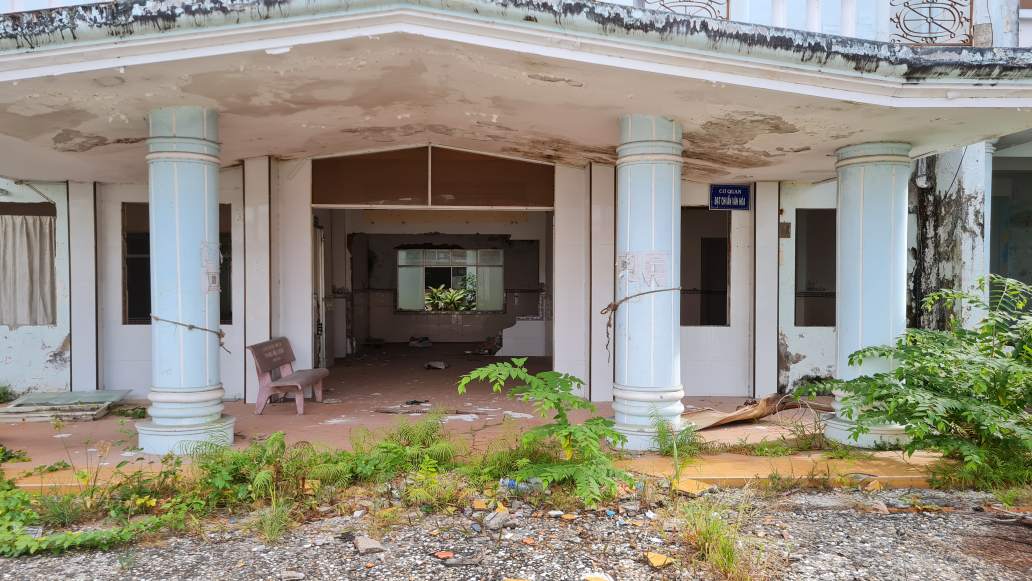
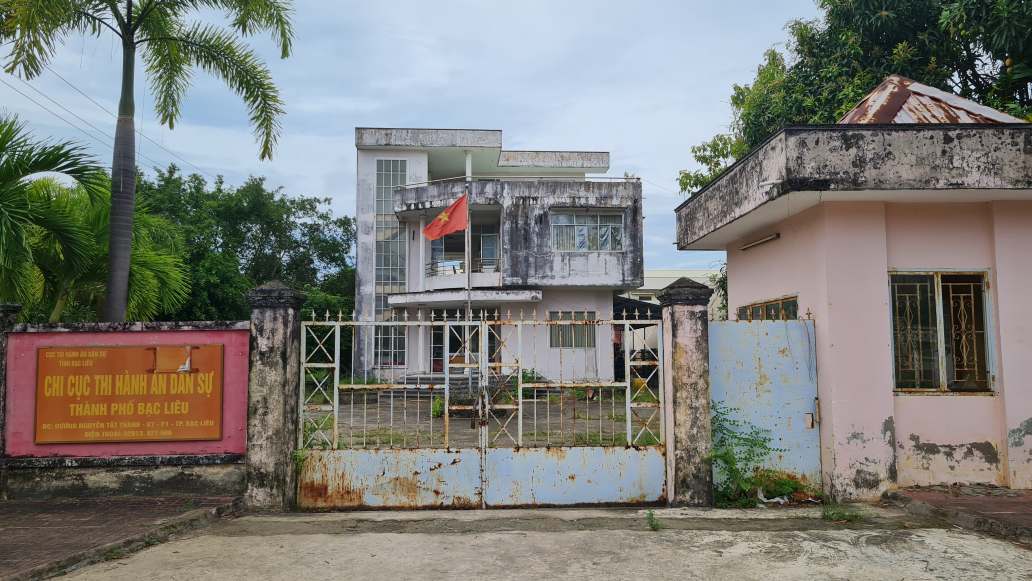
To date, the province has implemented arrangement, transfer, functional conversion and put into use 68 facilities. Currently, there are still 265 redundant public houses and land facilities that need to be further processed.
According to the plan of Ca Mau Provincial People's Committee, departments, branches and localities must complete the review and classification of all redundant houses and land before June 5, 2026; and at the same time develop handling plans and submit them to competent authorities for consideration before June 25, 2026.
The province identifies the handling of surplus public assets as an urgent task to improve the efficiency of using state assets, limiting the situation of vacancy and degradation causing waste of resources.
Standing Vice Chairman of Ca Mau Provincial People's Committee Lam Van Bi requested departments, branches and localities to focus on removing difficulties and obstacles related to legal documents for redundant public houses and land cases. The handling process must ensure clear people, clear tasks, clear responsibilities and completion in the shortest time.
For public housing and land facilities outside the area or interspersed land areas in residential areas, the leaders of the Provincial People's Committee requested the Department of Finance to coordinate with relevant units to urgently review and classify them specifically to have appropriate handling plans.
In addition to relocating and converting functions, the province also requires researching and effectively exploiting eligible facilities through short-term leasing to avoid leaving public assets vacant.
Opening a mechanism to exploit unused public land funds
In parallel with handling surplus public assets, Ca Mau Provincial People's Committee issued Regulations on procedures for leasing short-term land funds in the province.
This is considered a solution to effectively exploit temporarily unused public land areas, while creating conditions for people and businesses to access land for production and business.
According to new regulations, organizations, businesses, business households and individuals in need are eligible to register for short-term land lease. The land fund for lease includes land plots, land plots and assets attached to land managed by the Land Fund Development Organization but without immediate use plans.
The rental price is determined based on the current land price list and is disclosed before organizing the receipt of registration dossiers. The lease term is calculated annually or according to the actual usage time.
Notably, in case the lease term expires but the State has not implemented the plan, the lessee may be considered for extension many times, with a total lease term and extension not exceeding 5 years.
The entire list of leased land will be publicized on the province's electronic information portal, at the commune-level People's Committee where the land is located and at the leased land area so that people and businesses can easily access information.
According to the People's Committee of Ca Mau province, the issuance of a mechanism for short-term land leasing not only contributes to effectively exploiting the unused public land fund but also creates more opportunities for production and business development for people and businesses.
In the context of hundreds of redundant public housing and land facilities after arranging the apparatus, combining the handling of public assets with the exploitation of temporary land funds is expected to help localities use land resources more effectively, limit waste and create motivation for socio-economic development.


