The comprehensive experience is the key for people to truly benefit from online public services
Over the past ten years, Vietnam has devoted many resources to bringing public services to the digital environment through standardizing data, processes and technical platforms, allowing people to conveniently process many online procedures. The effectiveness is shown through the rate of public services at the four levels increasing from 0.01% in 2011 to more than 48% in 2024. Level four is the most complete level, where people can perform all procedures online from submitting documents, monitoring progress to payment without having to go to a direct service agency.
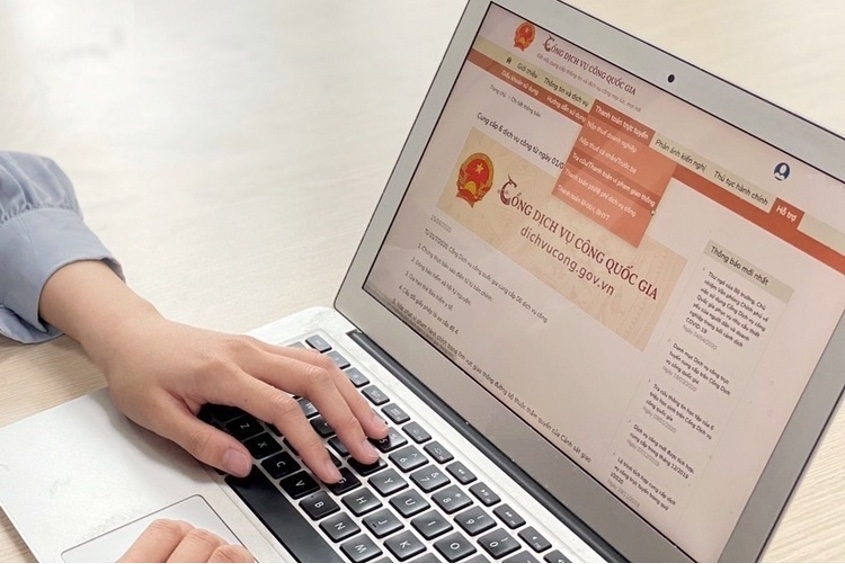
According to the digital transformation report of the Ministry of Science and Technology, by 2024, the rate of administrative procedures provided in the form of full online public services will only reach about 48%. More notably, while the rate of full online records of localities is very low, reaching only 17%. This reflects a common paradox: many procedures have been " connected to the network", but users have not been able to complete the online journey from start to finish.
In reality, many processes are still "defeated" in key stages such as authentication, data connection, parallel paper submission or fee and charge payment. These disruptions may cause online public services to not be as effective as expected, both in terms of time savings and social costs.
Payment is one of the typical examples. This is the last step and also the place where users can easily stop. If this step requires changing the platform or operating completely different from their daily spending routine, they will return to the direct form even though most of the process has been digitized.
This orientation coincides with the key tasks stated in Resolutions 57 and 68 of the Vietnamese Government. That is to promote the digitalization of public services, reduce direct contact and documents, increase transparency, promote electronic payments, reduce compliance costs and improve people's experience.
A civil platform is processing more than 90% of public administrative services
Among the civil payment platforms integrated into online public services, MoMo is a case worth analyzing because the coverage level no longer stops at a few groups of procedures but has expanded into a comprehensive service - utility ecosystem, closely linked to the entire transaction life cycle of citizens.
Every year, MoMo processes billions of transactions, covering 34 provinces and cities and connecting nearly 500,000 payment acceptance points, from hospitals, schools to small business households. According to data from the management agency, MoMo supports payment of more than 90% of public administrative services, accounting for about 35% of cashless transactions on the National Public Service Portal and nearly half of the online university admission fee. But the greater significance lies not in market share, but in the coverage of connected services.
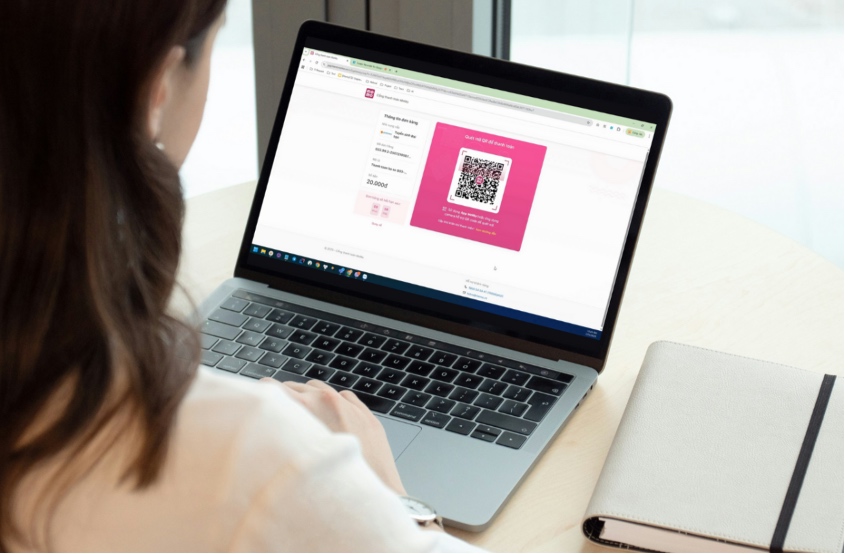
MoMo is present simultaneously among the four public service pillars with the highest frequency of use, from administration to education, healthcare and transportation. This platform is used to pay fees, charges and financial obligations of citizens, and connect with more than 8,300 educational institutions for periodic fees of students.
In the medical field, MoMo is integrated into more than 200 hospitals, where hospital fees are incurred with high frequency. This ecosystem is also expanding to transportation, including purchasing vehicle insurance, linking transportation accounts to support non-stop toll collection (ETC), booking inspection schedules as well as public transport services such as buying bus, train and metro tickets.
The above four groups account for the majority of people's "transaction flows" throughout a personal financial year. When they appear on the same platform, they create a unified payment behavior, repeated at high frequency.
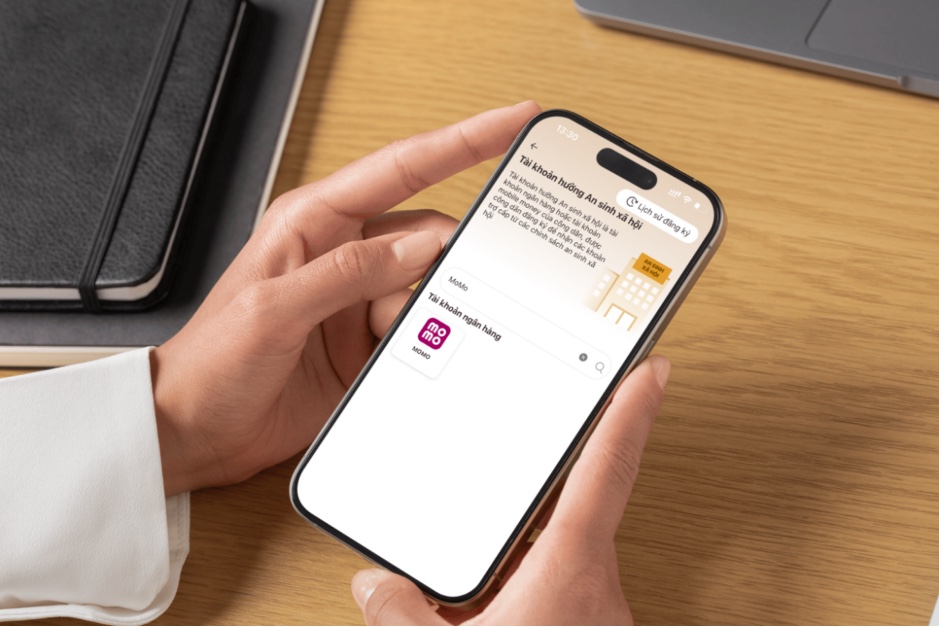
In the 2025-2030 period, three factors are expected to shape digital services: the level of data connectivity, the speed of electronic payments and the emergence of cross-supply models between the public and private sectors.
MoMo's participation is just the beginning of a larger structure: public-private infrastructure cooperation, where public services are distributed at market rates but still ensure State safety standards. This will be an important foundation for Vietnam to move towards the goal of sharply reducing compliance costs and improving productivity of the entire economy.