
Pangasius and crab prices increase sharply
On December 19, according to the reporter of Lao Dong Newspaper, natural pangasius in the market of Ca Mau province is purchased by traders at the people's pond for 200,000 VND/kg and sold on the market for nearly 280,000 VND/kg; pangasius raised for 40 fish/kg is sold at the market for 220,000 VND/kg.
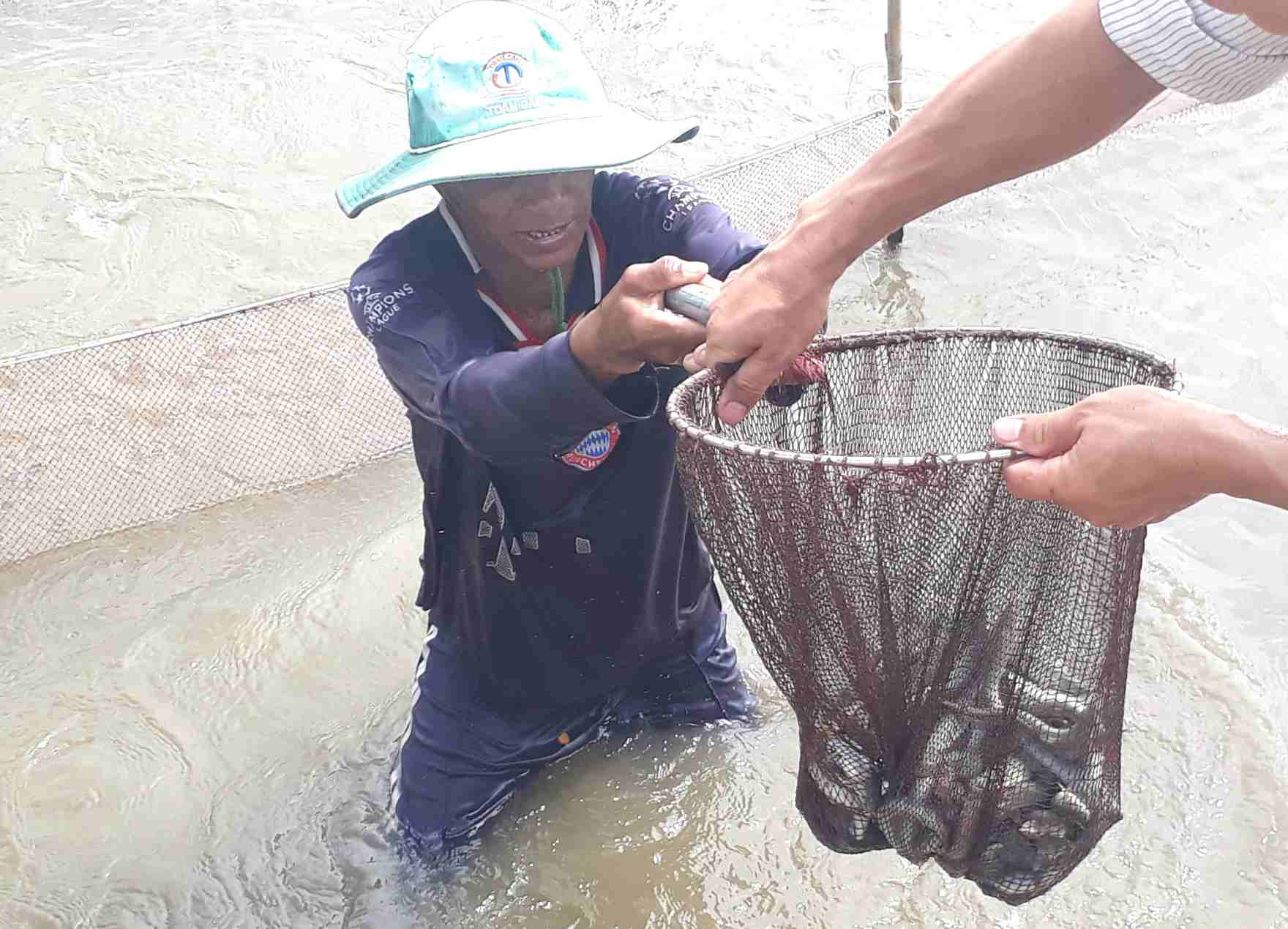
According to traders, the sharp increase in braised fish prices in recent days is due to the attraction of goods, so businesses have stepped up purchases to dry the supply to the market during the upcoming New Year and Lunar New Year.
Mr. Nguyen Van Dao (residing in Hung My commune, Ca Mau province) said that the sharp increase in the price of pangasius has helped him and many other farming households make a profit. "I have just harvested 2 ponds for raising snakehead fish, thanks to selling them at high prices, my family has earned a high profit this season. After the Lunar New Year, I will renovate the pond and buy breeding animals to raise in the new crop," Mr. Dao said excitedly.
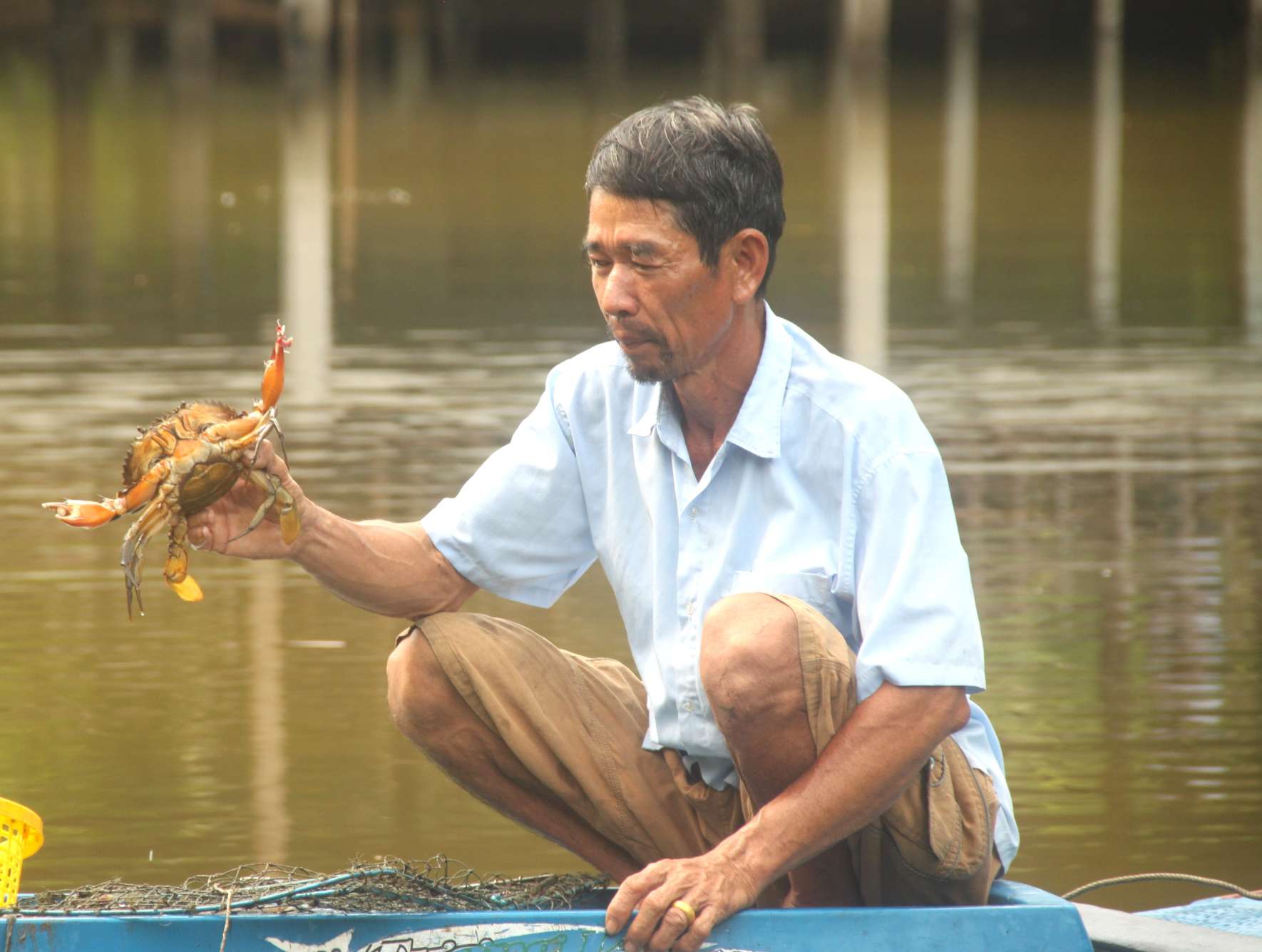
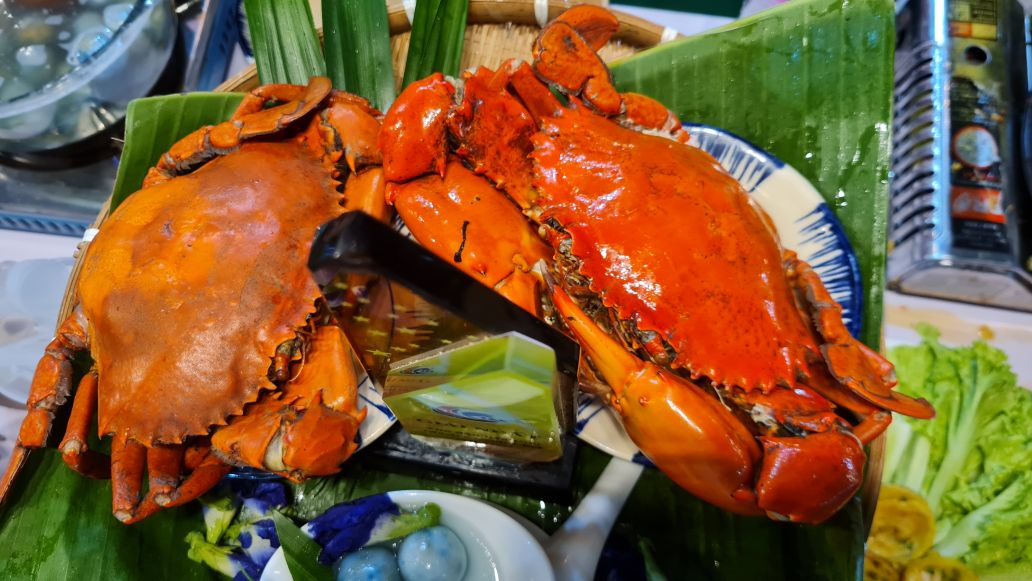
Meanwhile, the price of Ca Mau crab on December 19 was quite high. Small meat crabs (4 - 5 children/kg) cost about 400,000 - 600,000 VND/kg; large crabs (2 - 3 children/kg) cost about 750,000 - 900,000 VND/kg. Mid-sized plowing crab (3 - 4 crab/kg) costs about 600,000 - 850,000 VND/kg; large crab (2 crab/kg) costs about 900,000 - 1,000,000 VND/kg or higher for large crab breeze crab, green rice crab (2 skin). With this price, most crab farmers make a profit.
Raw shrimp has good prices
Not only crab and snakehead fish, but raw shrimp prices in Ca Mau province also remain stable at a high level. This not only brings excitement, but also motivates farmers to continue to maintain and expand production, contributing significantly to the growth of the agricultural sector.
Specifically, 40-child carp shrimp/kg, priced at 155,000 - 160,000 VND/kg; 30-child carp, priced at 170,000 - 175,000 VND/kg; 20-child carp, priced at 215,000 - 220,000 VND/kg; 100-child carp carp shrimp/kg, priced at 89,000 - 91,000 VND/kg; 70-child carp shrimp, priced at 110,000 - 115,000 VND/kg; 50-child carp shrimp, priced at 177,000 - 122,000 VND/kg; 20-child carp shrimp, priced at 215,000 - 220,000 VND/kg. With this price, after deducting investment costs, shrimp farmers earn quite a high profit.
Having just harvested 4 ponds for raising white-leg shrimp, Mr. Tran Xuan Phong (Thao Lang hamlet, Vinh Trach ward, Ca Mau province) said that after deducting expenses, his family still made a profit of nearly 500 million VND.
According to Mr. Phong, the family's card shrimp farming model on the tarpaulin pond is low in yield compared to the super-intensive farming model, but with a fairly high price, farmers still make a profit.
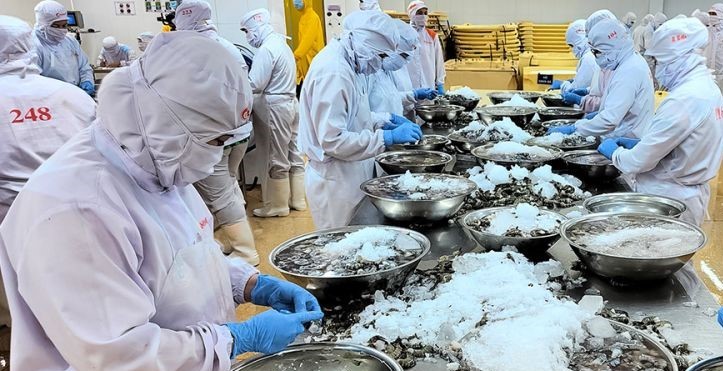
Shrimp prices are at a high level, everyone who owns shrimp is excited. Mr. Tran Minh Son - a super-intensive shrimp farming household with a scale of nearly 10 hectares (Thanh An hamlet, Long Dien commune, Ca Mau province) - said that in recent months, shrimp prices have remained high, helping farmers make a profit compared to the previous period. Mr. Son said that at the current price, farmers can make a profit of about 70 to 80 thousand VND/kg.
Explaining the reason for the high price of shrimp, some shrimp buyers in Ca Mau said that due to increased demand from the domestic consumption market, in addition, factories increased the purchase of raw shrimp to meet export orders at the end of the year. However, because it is the off-season, output has decreased, and supply is scarce, causing shrimp purchase prices to increase.
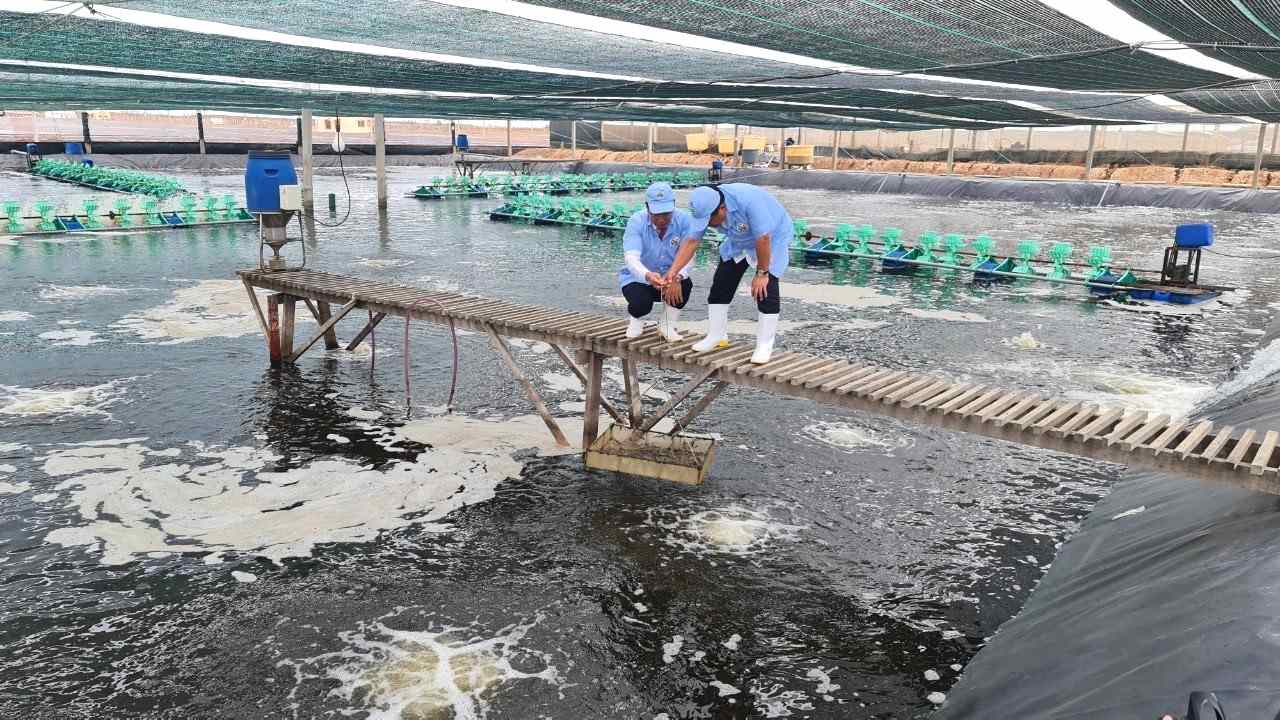
Mr. Pham Van Muoi - Deputy Director of the Department of Agriculture and Environment of Ca Mau province - said that Ca Mau currently has a shrimp farming area of 417,992 hectares; of which, the area of intensive farming is 21,918 hectares; super intensive farming is 10,481 hectares; improved off-road farming is 385,593 hectares... Deputy Director of the Department of Agriculture and Environment of Ca Mau province said that the unit's orientation for shrimp farming development in the coming time must be based on sustainable factors.


