
Escalating tensions and conflicts in the Middle East region are creating multi-dimensional impacts on global trade, including Vietnam's export activities. According to the Ministry of Industry and Trade, military attacks and counter-attacks have caused serious instability, creating a high-risk environment for transportation, international trade and global supply chains.
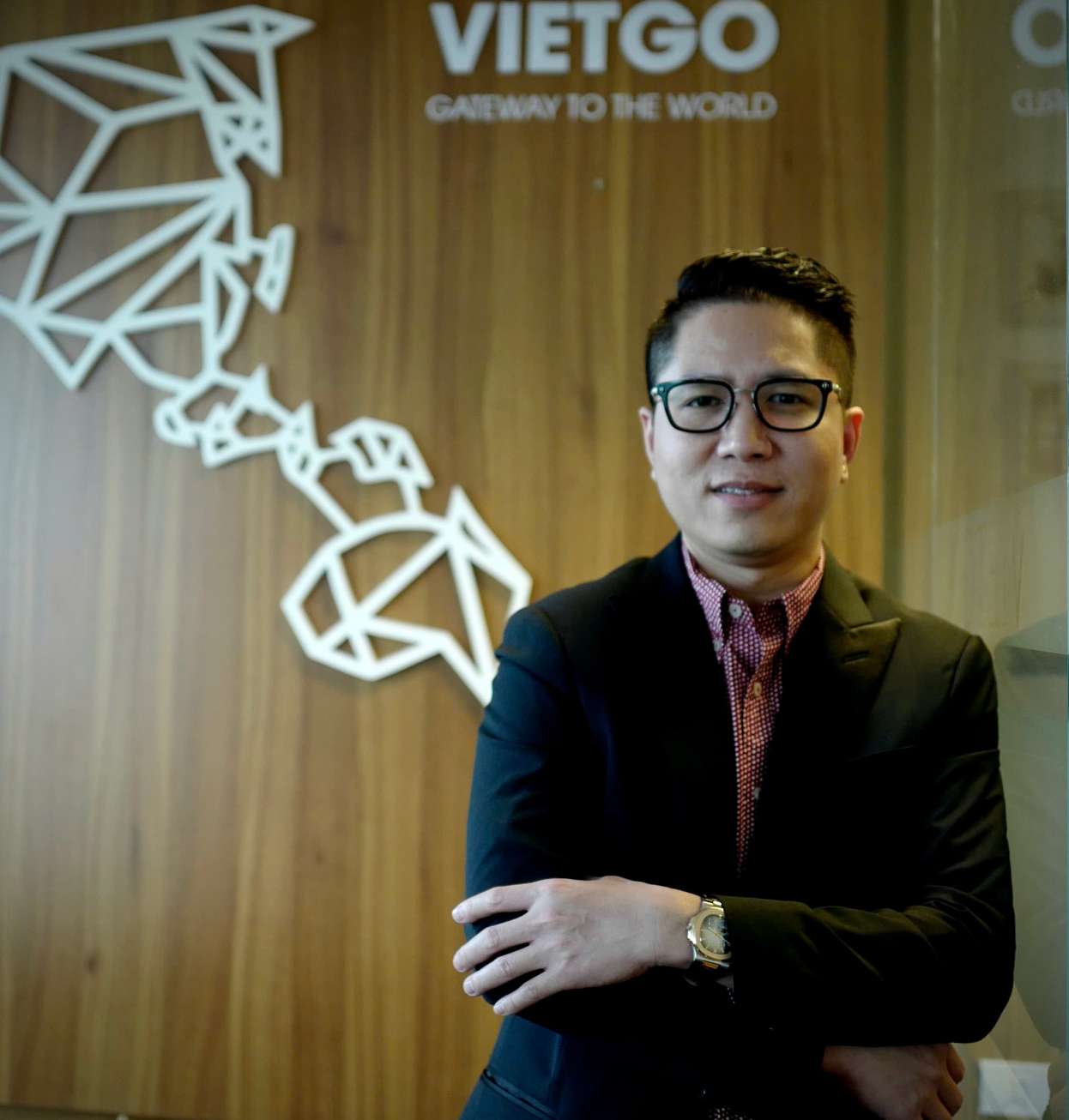
Talking to Lao Dong Newspaper, Mr. Nguyen Tuan Viet - General Director of VIETGO Export Promotion Co., Ltd. said that with the tense conflict between the US - Israel and Iran, many people are concerned that it will affect the export growth target. However, Mr. Nguyen Tuan Viet believes that the two-digit growth target set by the Government is still feasible if the list of export items is adjusted to be flexible.
When the world structure changes to conflict, market demand will shift immediately. Luxury goods will certainly slow down or freeze. Instead, demand will strongly focus on essential goods and logistics. These are items that will have sudden demand. Businesses need to proactively shift their chains to meet these urgent orders" - Mr. Nguyen Tuan Viet assessed.
According to Mr. Nguyen Tuan Viet, the most difficult problem currently is transportation. Conflicts in the Middle East and the Red Sea region have seriously threatened the Suez Canal, the vital route to Europe. Currently, ships do not dare to pass through the Red Sea but have to circle through Cape Good Hope of South Africa. This route change leads to two direct consequences.
The extended distance increases the transportation time by 20 to 25 days. A shipment to Europe used to take about 25 days, but now it can be up to 50 days. Train fares are skyrocketing, 2 to 3 times higher than normal due to war risks and fuel costs arising" - Mr. Nguyen Tuan Viet analyzed.
With a long shipping time of up to 50 days, Mr. Nguyen Tuan Viet believes that fresh agricultural products such as bananas and dragon fruit (which have a maximum shelf life of about 35 days) will not be able to withstand heat. Goods will spoil before docking. Therefore, businesses need to temporarily stop or redirect these items in European and Eastern European markets to avoid losing everything.
To be safe in this period, Mr. Nguyen Tuan Viet gave 3 practical recommendations for businesses. First, prioritize FOB conditions. Try to sell goods at the departure port and collect money as soon as the goods are loaded onto the ship. This helps push forward transportation risks and costs incurred for buyers.
Second, control LC (Credit Letter). Because the ship is traveling 20-25 days later than expected, LCs are very likely to be expired. Businesses need to proactively request customers to extend LCs immediately when there is a notice of ship route changes.
Third, insurance and selection of shipping lines. If you have to go under CNF/CIF conditions, you are required to buy war risk insurance and prioritize direct shipping lines, avoid transshipment points, if customers do not pay before the ship docks, then let the ship turn around.


