
The burden of making a living in the countryside
These days, in Nga Nam ward (Can Tho city), when water from upstream flows in, the fields are vast, it is also the time when the job of pushing cones to catch fish in the fields becomes bustling.
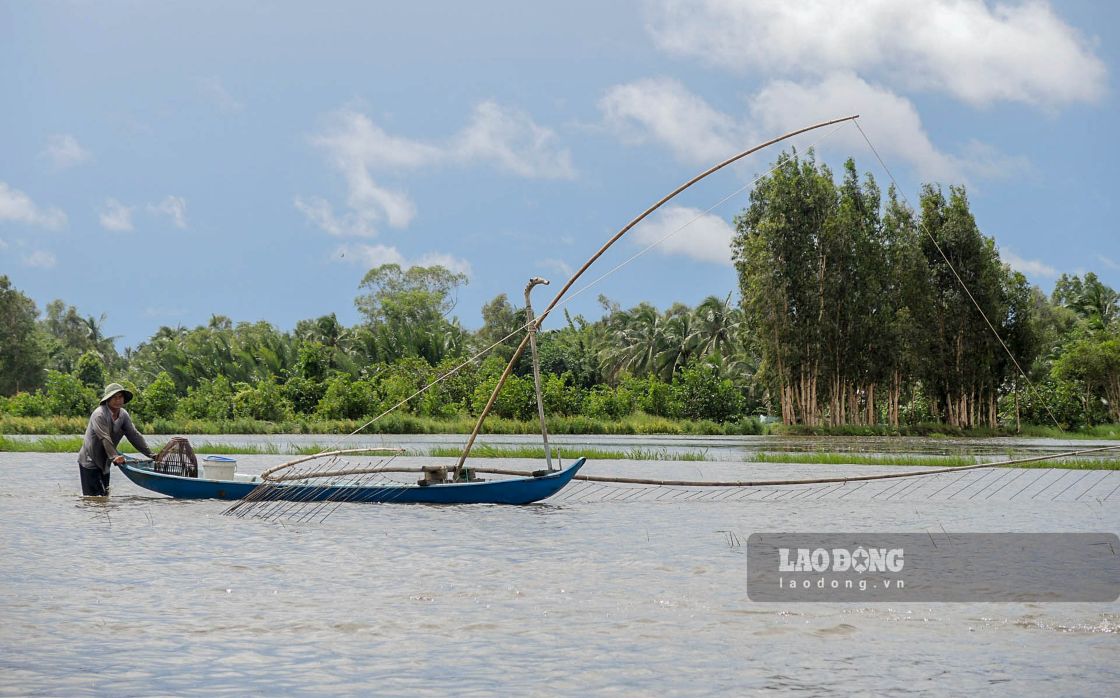
For more than 2 months now, when the water has begun to rise, Mr. Luu Binh, a person who has been pushing cones for more than 30 years in Nga Nam ward (Can Tho city) has been busy making a living. In the early morning, he and a few friends took the wheel to the field, and returned only in the afternoon.
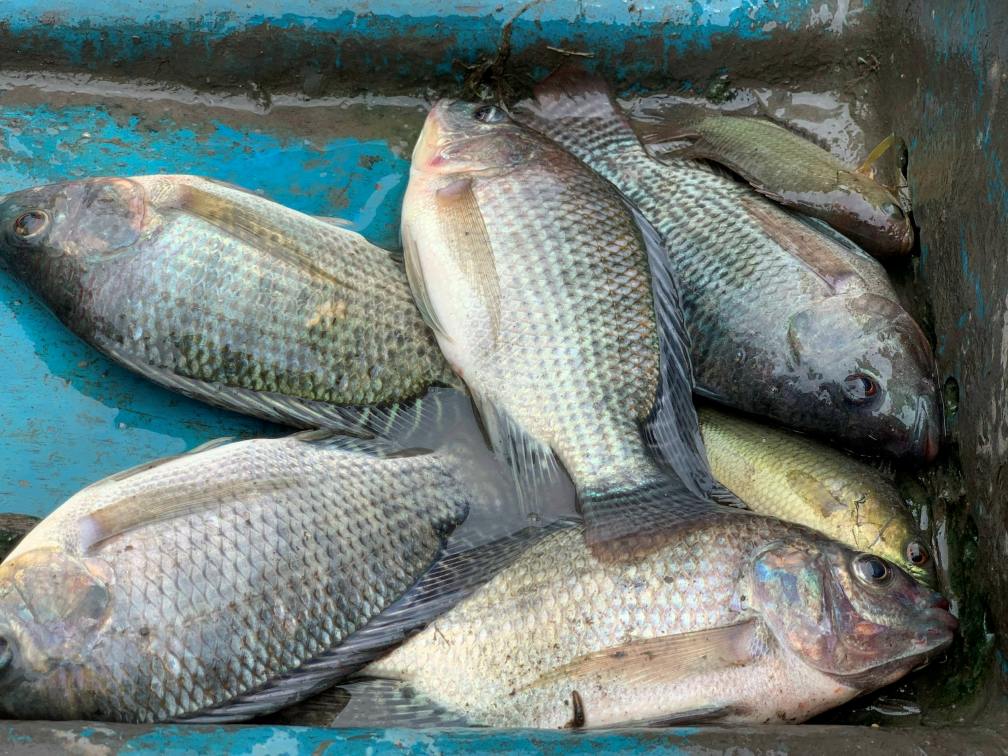
Mr. Binh said that at the beginning of the season (the end of the 6th lunar month), the amount of freshwater fish was still abundant, each day he pushed 7-8 kg of the most beautiful snakehead fish, selling them for 120,000 VND/kg. Now the water is rising, the fish are gradually depleted, only 3-5 kg per day, the price has also cooled down to 30,000 - 90,000 VND/kg. However, this "sweating" job still brings a stable income of several hundred thousand dong per day, enough to cover life expenses.
Mr. Binh said that pushing cones requires endurance because they have to wade through each field. In return, the income is quite good because most of the fish caught are snakehead fish, freshwater catfish with large weight and high economic value. More importantly, small fish are often not stuck to the cones, limiting the situation of catching small fish, contributing to the conservation of aquatic resources.
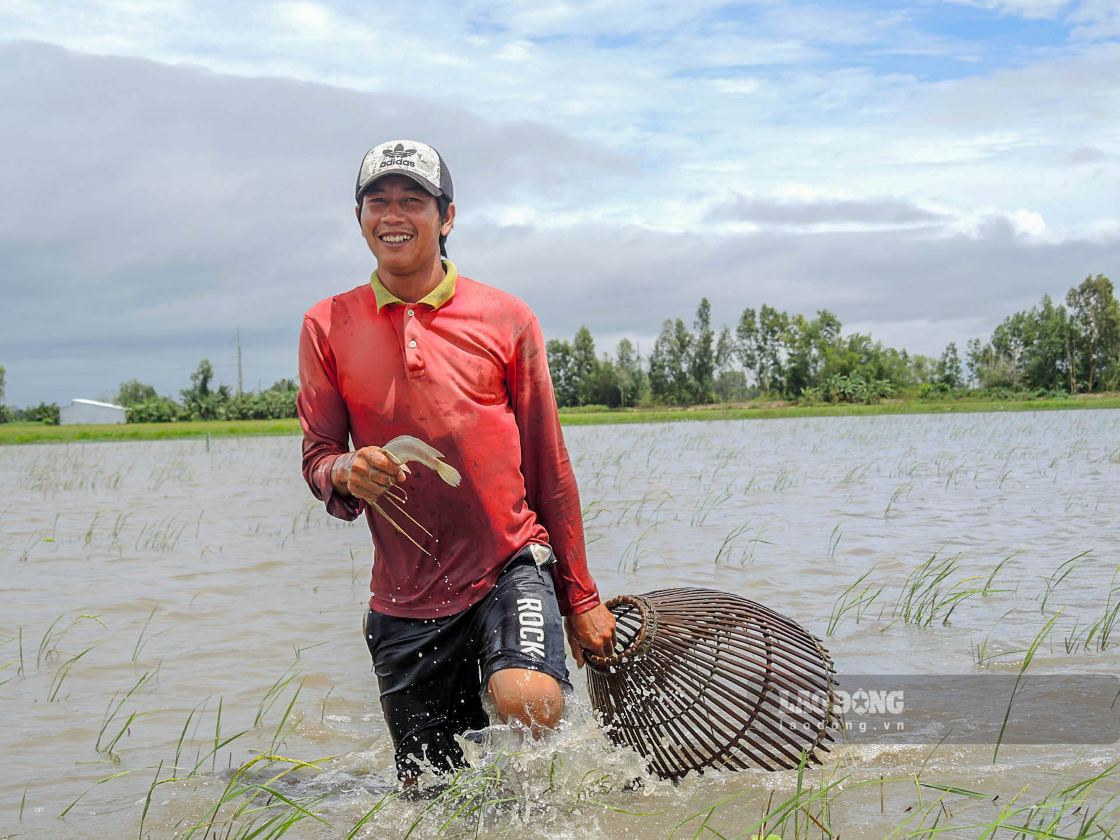
Mr. Tram Kim Men, also in Nga Nam ward, said that Con pushing is usually done early in the morning, from about 6am and about 3pm, when the temperature is low, the fish get in the fields a lot. Or when the field has a very strong base, the water is not too high, there are many fish; on the contrary, the water full of fish is less.
"On average, we earn 3-4 kg of fish per day, earning an average of several hundred thousand dong. Selling fish to traders is partly for the rest, the rest is for family food, both to have money and reduce living expenses", Mr. Men shared.
Unique Con plan and the secret to reading "water heart"
Explaining this unique method of catching fish, Mr. Luu Binh said: The dike is a tool made from small lead stones attached to a rope tied along the bamboo stick and tied together. To have a sturdy conical table, it is necessary to weld 2 iron bars into a V-shaped shape and a vertical connecting pipe to connect the parts together. The cost of a Conical pan is about 500,000 VND, and can be used for 5-6 years.
The pony rover was placed in front of the boat's bow, the person pushing behind used the force to push the boat forward. When the boat arrived, the agecraft swayed under the water, creating a reflex that forced the fish to wade into the mud. The job of the person pushing the Kong at this time is to observe: look at the bubbles, the water color is pouring up to position, then quickly take a fishing line.
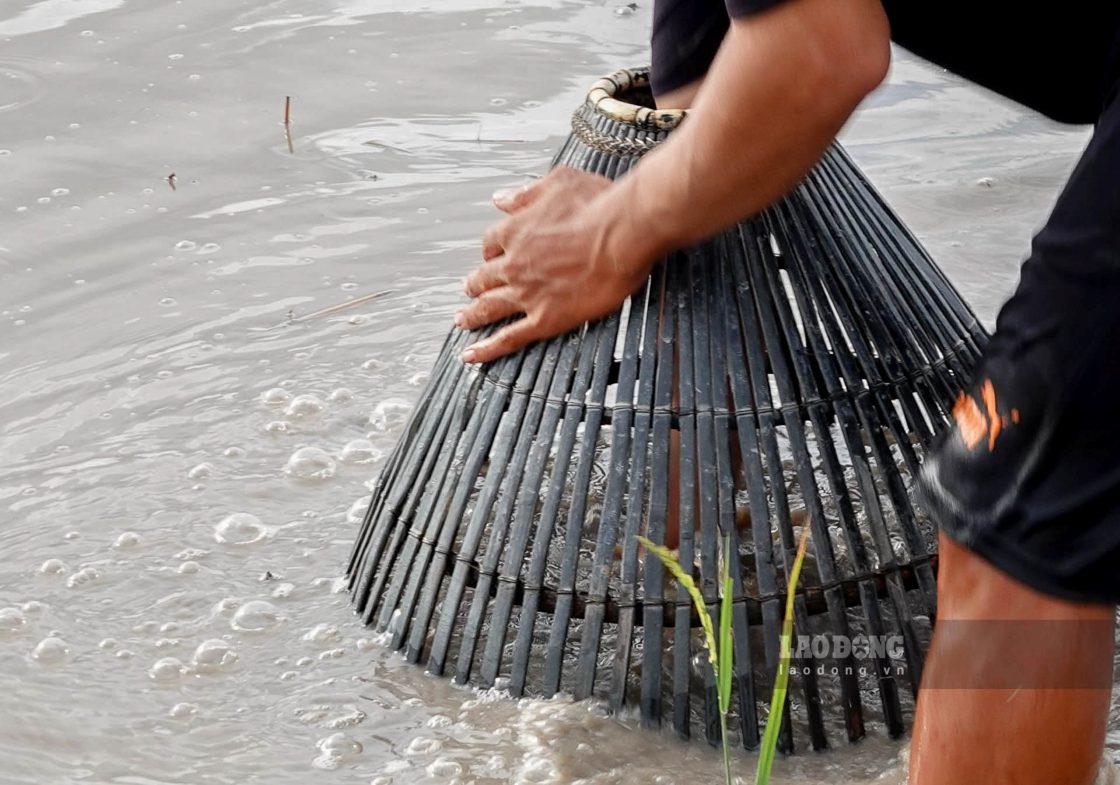
Mr. Binh shared that the secret to distinguishing between big fish, small fish or any type of fish in the mud is to observe the "water heart". snakehead fish and catfish will wade up to "water around" them in front of them, about a foot away from the mud. As for catfish and tilapia, the water center is right where they are deposited. "Seeing a big heart, it is certain that it is a big fish below that we catch, while a small heart is left by the small fish to let them grow up after the harvest season," Mr. Binh revealed.
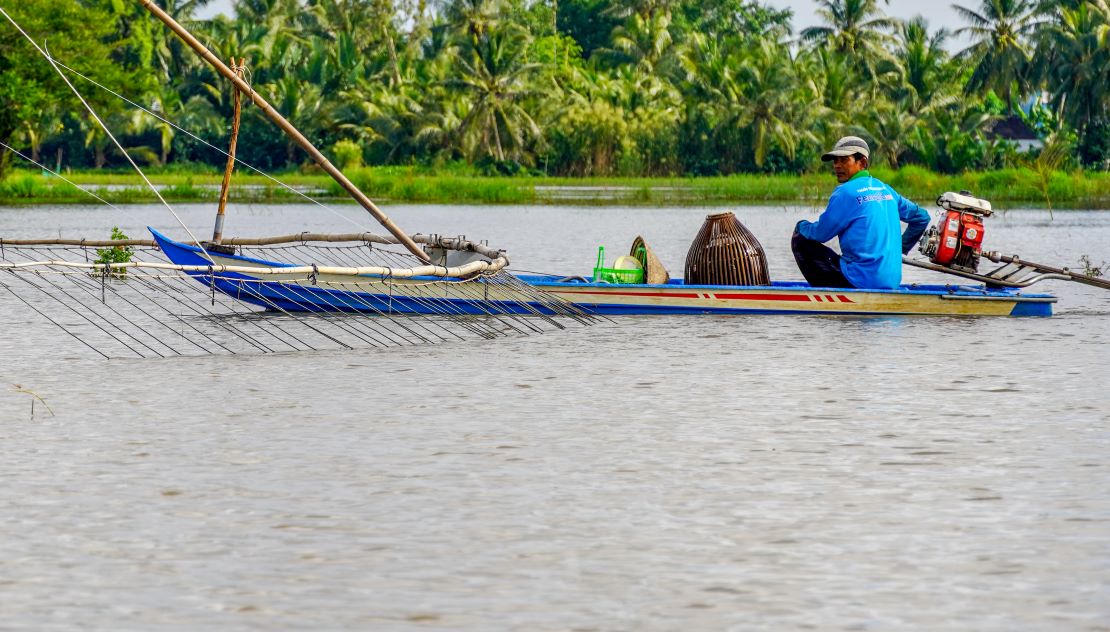
In recent years, many people have attached engines to boats or motorized cages, expanding the area of the water surface and increasing the time to push the cones.
Mr. Quach Dieu, who has been pushing cones in Nga Nam ward (Can Tho city) for 17 years, said: "The con pushing profession has developed in any era, and the con pushing profession must be improved. In the past, we wade through mud but didn't go far, now we have engines running all over the fields, both healthy and able to catch more fish".
For many years, the authorities of some localities in Phung Hiep (Can Tho City) have also included this profession in the Conical pulling competition during the flood season. This activity not only aims to raise public awareness in protecting aquatic resources but also contributes to making this rustic profession a unique cultural activity of the locality.


