
Gasoline car: Cars stalled in flooded areas need to be handled properly
On September 17, in an exchange with Lao Dong Newspaper, Mr. Dang Van Long - who has many years of experience in car repair in Cau Giay ward (Hanoi), said that when cars travel in heavy rain and flooding conditions, drivers should not try to drive cars through areas with deep water levels or undetermined depths.
If the car unfortunately stalls in the flooded area, the first thing to do is to stop all start operations, turn off the engine and quickly call for rescue.
According to Mr. Long, one of the common mistakes is trying to start the engine again when the car has stalled in the flooded area.
With cars using internal combustion engines, if water enters the filling line and enters the combustion chamber, continuing to start can cause water damage.
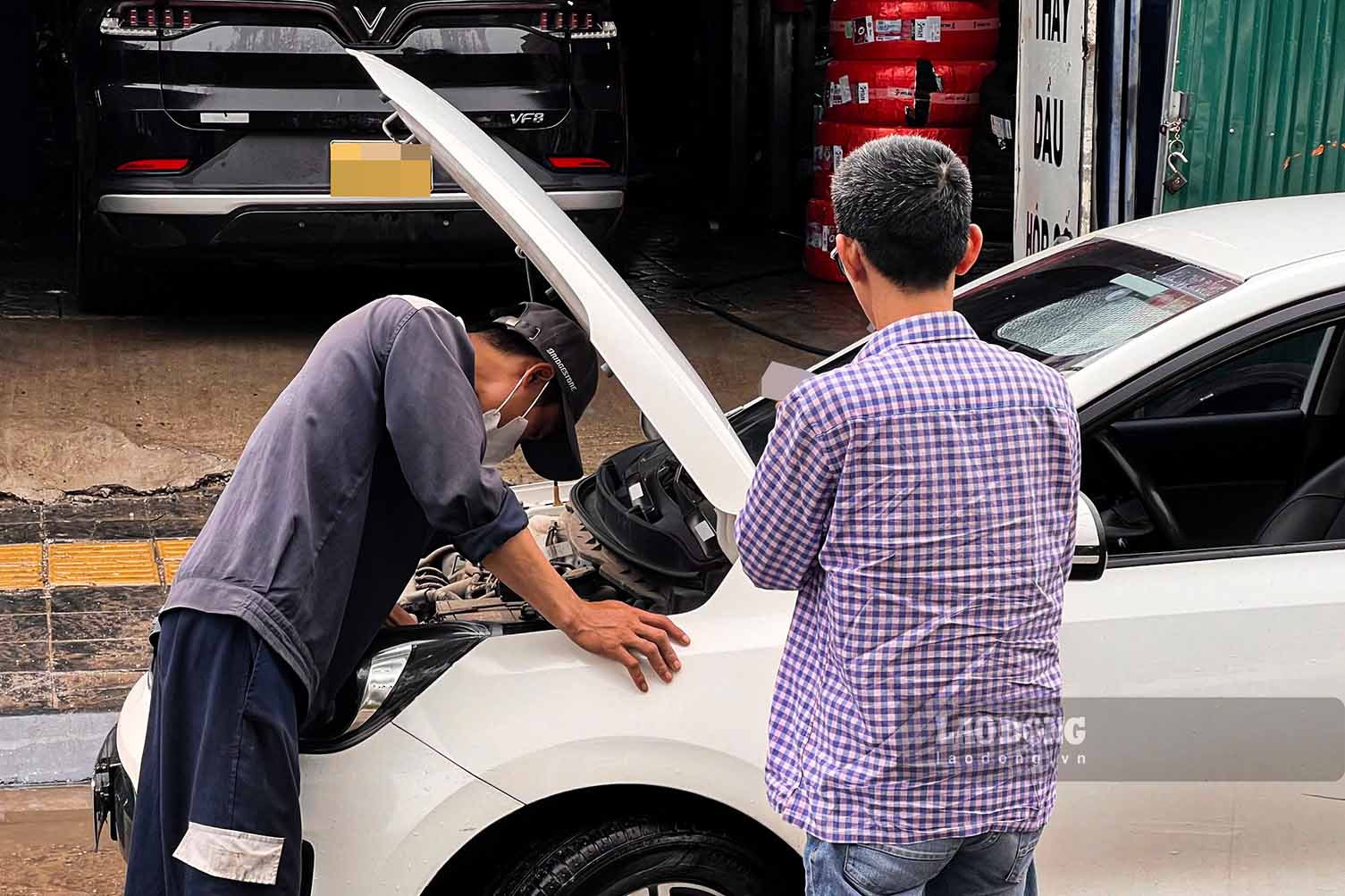
At that time, the piston cannot compress water like a normal gas mixture, creating a large impact force on the internal parts of the engine, which can bend or break the boundary arm and cause serious damage. The extent of damage depends on the amount of water invading and the actual condition of the engine.
Conversely, if the vehicle has just stalled and has been disengaged, the vehicle can be checked and handled before being put back into operation. Trying to start many times in a state of water intrusion can make damage more serious, leading to large repair costs.
Not only the engine, flooding can also affect the air filter, engine oil, electrical system, connectors and many details under the car floor. Therefore, even if the car is still operating after passing through the flooded area, the car owner should also take the vehicle for inspection.
Electric cars: Do not be subjective with high-voltage power systems
Regarding electric cars, Mr. Dang Van Long believes that electric cars should not be defaulted to being better at wading than gasoline cars. Electric cars should not be defaulted to being better at wading than gasoline cars, because flood resistance depends on the design, protection level of each part and the time the car is exposed to water.
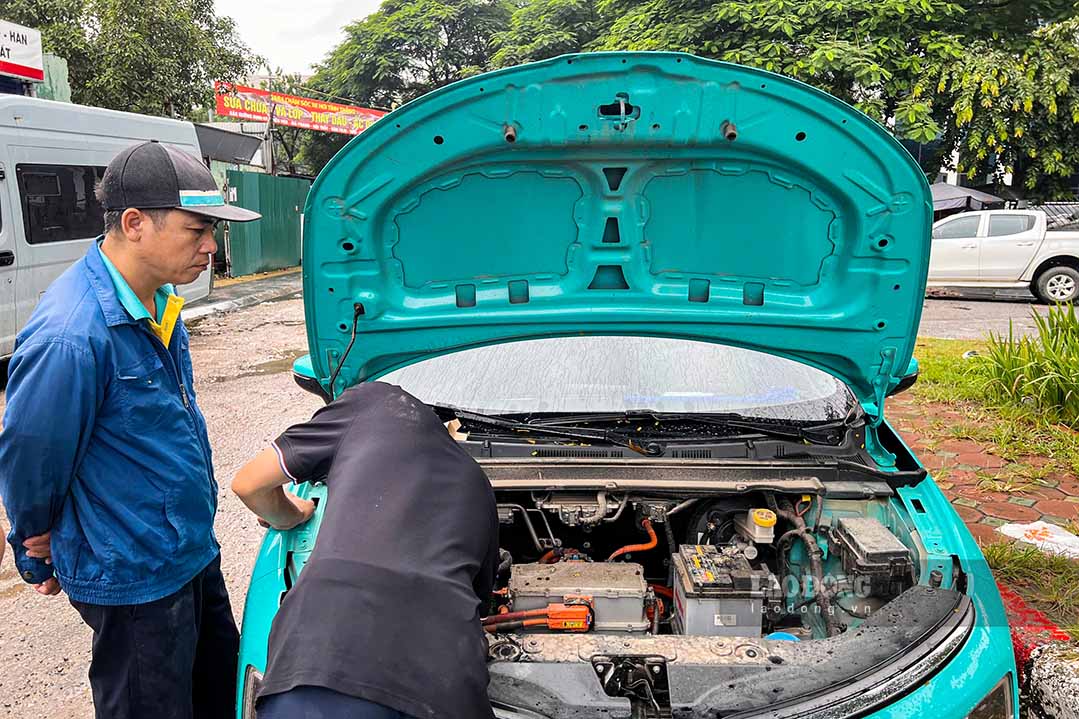
According to Mr. Tran Minh Tien - lecturer of Automotive Technology, Dung Quat College of Technology (Quang Ngai), electric cars also have the risk of damage when flooded or submerged in water, especially in parts related to high-voltage power systems and electronic circuits.
High-voltage batteries on electric cars usually have a voltage of about 400V, while some models use a higher voltage system. If water intrudes into the related parts, the risk of short circuits, corrosion of connectors or damage to electronic components may increase.
Some components of the electrical actuator system have IP67 protection. This index shows the ability to protect the device from dust and water in specific test conditions.
However, IP67 does not mean that the device can operate normally in all cases of being submerged in water. The level of impact depends on the time of submersion, depth, condition of the joints and protective structure of each part.
In an electrical actuator system, the inverter is responsible for converting one-way current from the battery to a rotating current to supply the electric motor. Inside, there are many electronic components, so water intrusion can increase the risk of damage.
Mr. Tien recommends that when electric cars are submerged or submerged in water, users should not try to restart or continue operating the car. Car owners should contact dealers, garages or units with expertise in electric cars to check the high-voltage power system, battery pack and electronic circuits before using again.
Whether it is a gasoline or electric vehicle, when the vehicle is flooded, handling it correctly from the beginning will help limit the risk of further damage and avoid unnecessary repair costs.


