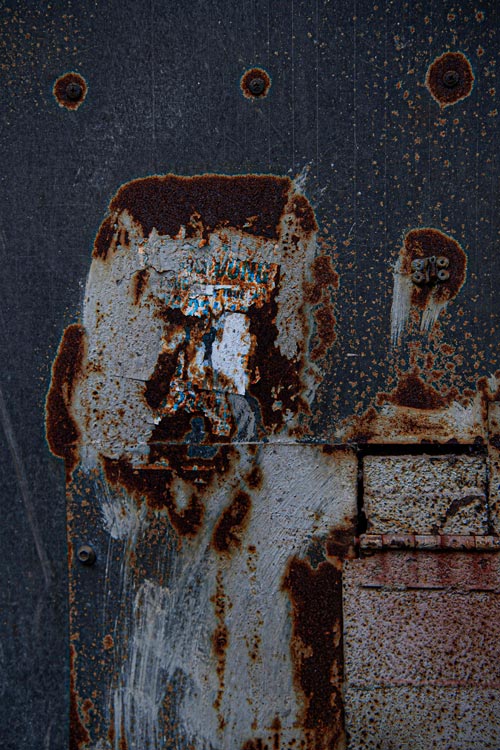
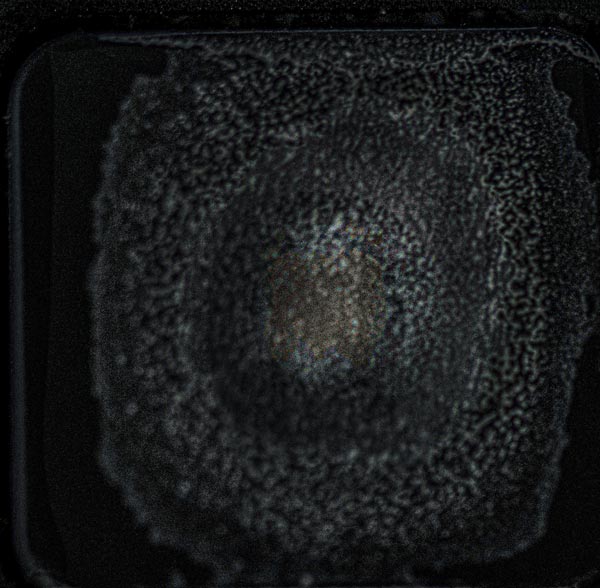
A water footprint will dry out in just a few minutes. A stone melts in a tray of cold water. Moss covers the roof after many seasons of rain and sunshine. Walls peel off, layers of advertising overlapping layers of advertising, rust patches silently eroding metal. No sound signals time is passing, only small changes that if you are not careful, you can easily miss. There are traces appearing on objects, there are traces appearing on people.
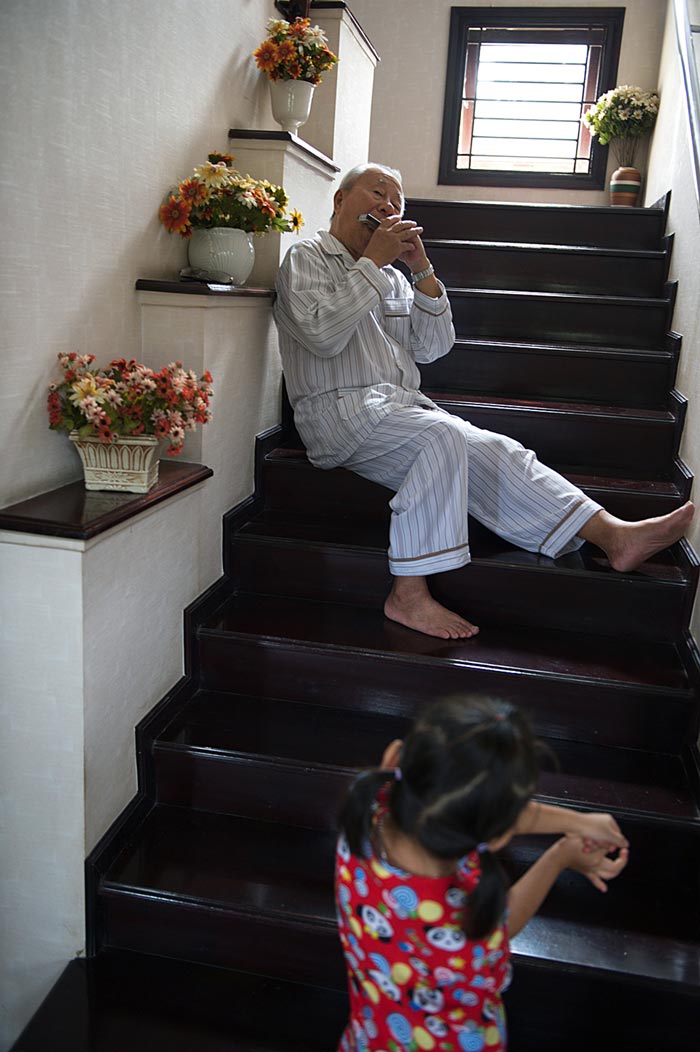
The soldier who used to play the harmonica in the Dien Bien Phu battlefield, now sitting quietly in his house, the sound of the instrument still rises, but the listener is already a child of the next generation. The two ends of a person's life meet on the steps, as if time not only takes away but also transmits.
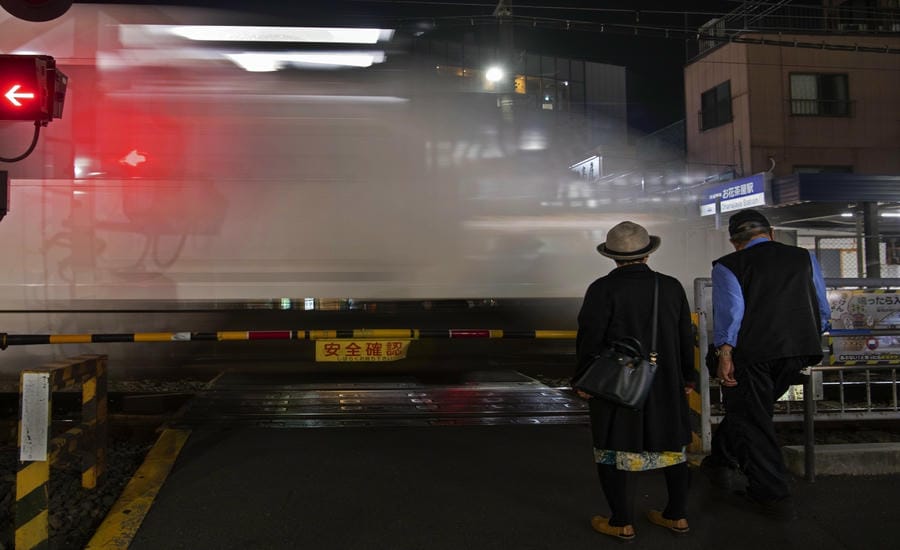
In another place, two old people stand waiting for the train to pass through in the night. The train only appears as a faint streak of light, while they still stand still. Movement and silence, present and memory, people and time coexist in a very short moment.
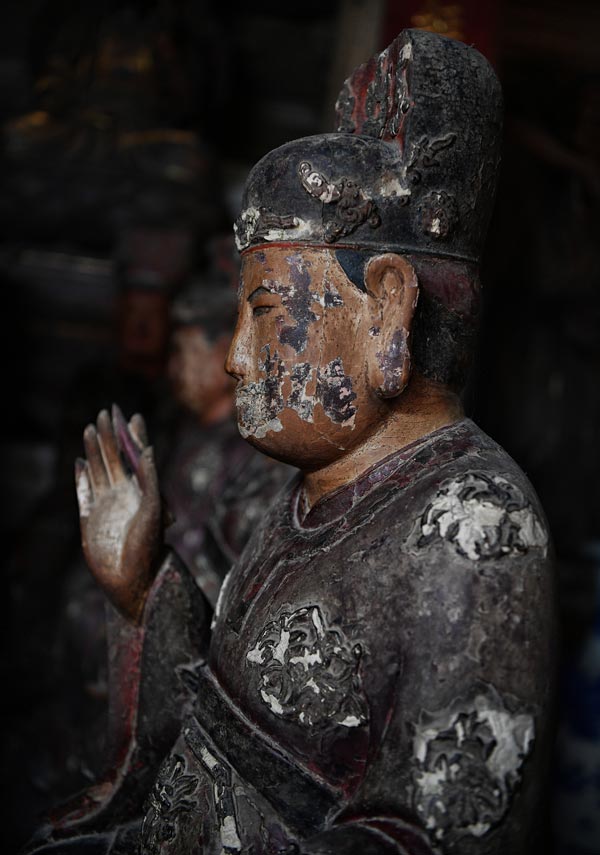
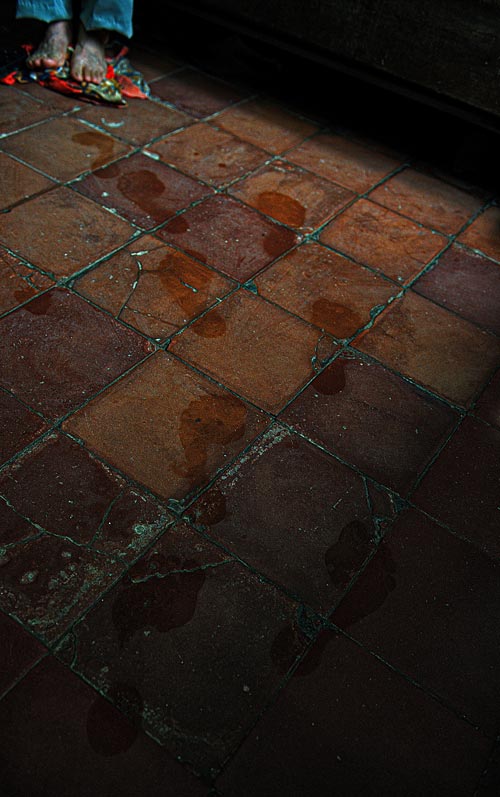
Going through many countries, I recognize traces of time with the same language. It lies in cracked bricks, on mossy thatched roofs, in silver paint or on old city walls. Each place carries its own traces, but all tell the same story: Nothing stands aside from change.
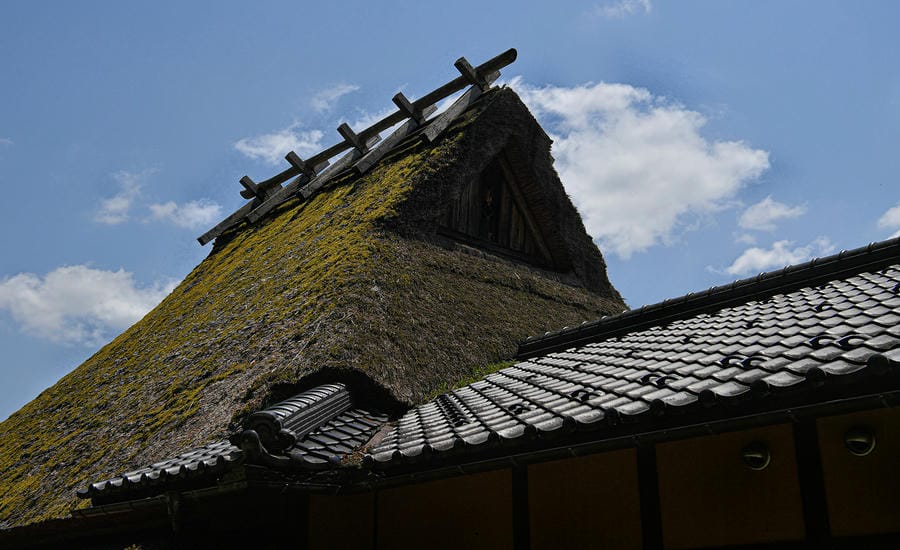
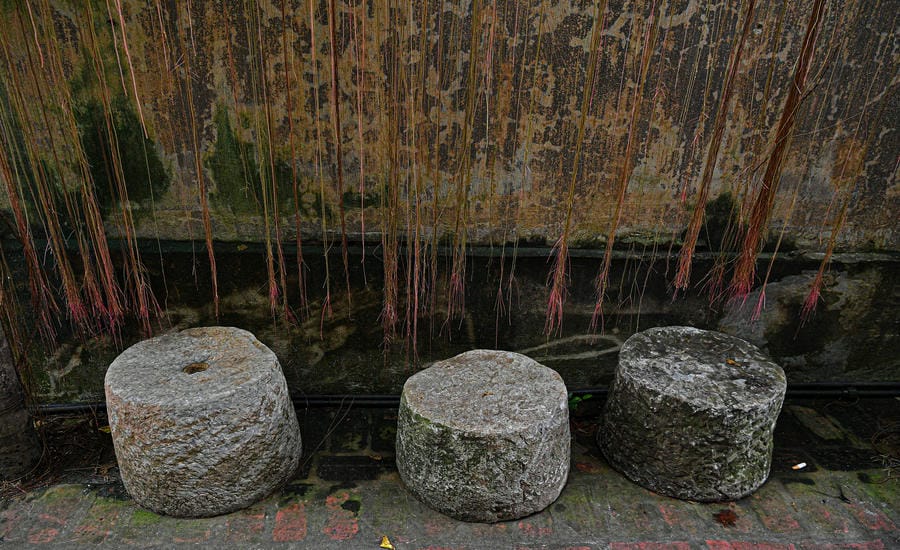
Perhaps the most precious thing is not trying to keep time. The precious thing is knowing how to stop long enough to recognize the traces that it has silently left around you. At that time, each old wall, each footprint, each old face or each melting ice cube becomes pages of an unwritten diary about the journey of life.