
The world is moving non-stop at a rapid pace of integration, the strength of a nation is no longer measured solely by military scale or gross domestic product. The position and power of the country are increasingly proportional to the quantity and quality of the national brands that that country owns.
The existence of a close dialectical relationship, back-and-forth impact between product brands, business brands and national brands. In which, building a national brand based on a cultural foundation is considered a sustainable strategy, creating unique differences and increasing internal strength for the nation.
In Vietnam, awareness of the role of culture in economic and foreign affairs development has undergone profound changes, especially when culture is identified as the soul of the nation, a factor guiding the nation and a key driving force to realize the aspiration to develop a prosperous country.
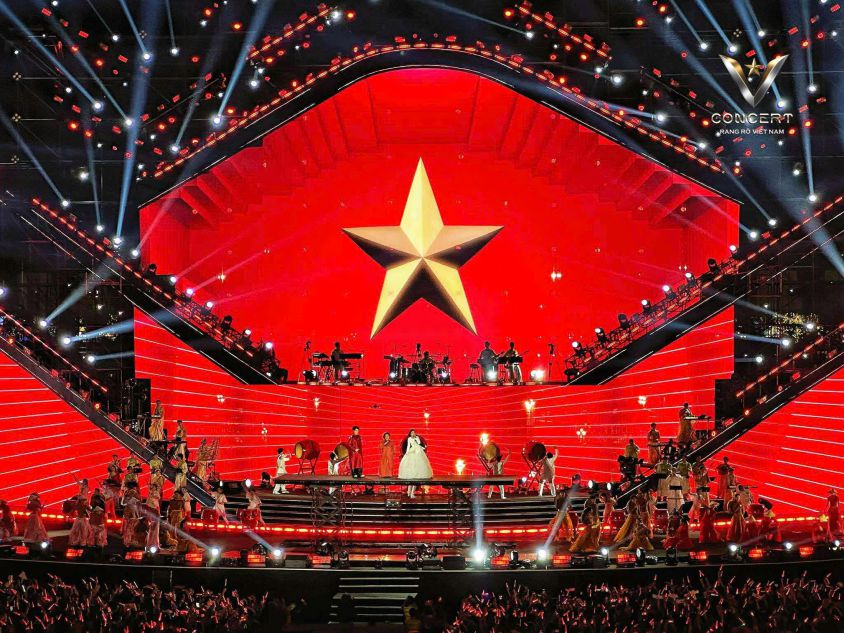
Theoretical basis for national brand from a cultural perspective
The concept of national brand and the process of building and promoting a national brand was first initiated by Simon Anholt in the 90s of the last century. According to this definition, a national brand is the application of marketing strategies, commonly seen in corporate governance, to the scope of international relations to build an image and reputation serving the interests of the nation.
Broadly understood, this is a process of building a positive and attractive image, aiming to build trust and good emotions, thereby enhancing the presence and influence of the State in the international arena. The core essence of the National brand is the image of the country's competitive identities.
It is necessary to clearly distinguish between national brands - the prestige and image of the whole country, and national-level product brands. A strong national brand is not simply a collection of famous products, but a combination of many factors including production, trade, management, foreign affairs, tourism, education and especially culture.
In which, culture plays a key role, both as a goal and as an endogenous strength. In the broad sense, culture governs the quality and effectiveness of all social activities, helping to ensure credibility and business ethics. In the narrow sense, elements such as heritage, cuisine, and art create a unique face, helping the State become unique and unmistakable in the minds of the international community.
Right from 2003, Vietnam initiated the "National Brand Program" with the goal of building Vietnam's image as a country with prestige in high-quality goods and services. The Government set an ambitious goal that by 2030 it will build and develop 1,000 products that achieve the Vietnamese National Brand. To date, 124 businesses have been recognized and 283 products have been selected to achieve this title. These efforts have brought specific quantitative results.
According to a report by Brand Finance, an international brand valuation consulting organization based in
London, Vietnam's National Brand Value ranking is continuously improving and is in the strong brand group. Especially in 2020, despite the global downward trend due to the COVID-19 pandemic, the value of Vietnam's National Brand increased by 29% compared to 2019, reaching 319 billion USD and rising 9 places to reach 33rd position in the Top 100 most valuable National Brands in the world.
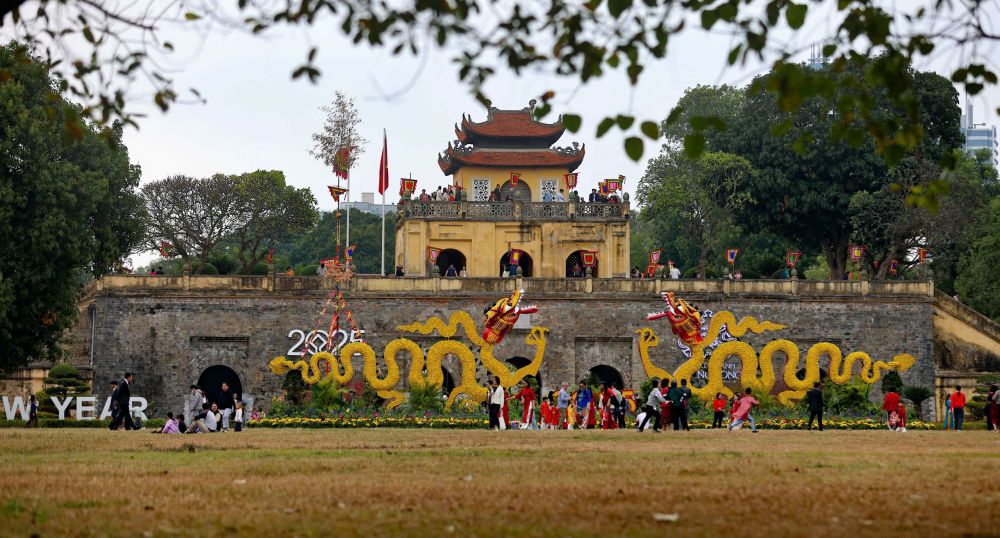
International lessons learned on promoting cultural soft power
To successfully position the National Brand, refer to the experience of literary powers.
is extremely necessary. The world witnesses countries successfully building their image associated with specific strengths, such as the United States with the entertainment and technology industry (Hollywood, Microsoft, Google), Switzerland with the absolute precision of watches (Rolex, Omega), or Germany with the famous automobile manufacturing industry (BMW, Mercedes).
The United Kingdom is a typical example of using culture as an economic and brand lever. From the 1980s of the 20th century, this country implemented the "Cool Britannia" strategy to strengthen national pride and create international sympathy through music, media and art. The United Kingdom developed the concept of "creative industry" - the connection between economy and culture - into a spearhead economic sector.
To realize this strategy, the British Ministry of Culture, Media and Sports allocates more than 95% of the budget to agencies such as: the Arts Council, the Heritage Board, and the Museum. The British Government also established the Arts Council as an independent organization to make professional decisions and established the National Support Fund for Science, Technology and Arts to provide financial and management skills support for innovative startups. As a result, creative industries currently contribute nearly 13 million pounds to the economy per hour, exporting 46 billion British pounds of goods and services, accounting for nearly 12% of the country's exports.
In Asia, South Korea emerged as a model of "soft power". After the economic recession, from 1998, South Korea announced a Hallyu development plan (Korean Wave). The country's government enacted many laws to protect the domestic cultural market and subsidize startups. South Korea's cultural export strategy is divided into formal stages. Hallyu 1.0 focuses on film and television in the Asian market. Hallyu 2.0 total investment in K-Pop spreads to Europe and America through digital platforms.
The Hallyu 3.0 period from 2010 to present identifies "Korean Culture" (K-Culture) as a spearhead for global penetration on all platforms from television to OTT such as Netflix. The success of Korea proves that systematic investment in culture will generate huge revenue through exporting content, tourism and accompanying products such as fashion and cosmetics.
Endogenous resources - Cultural resources of Vietnam
Compared to domestic potential, Vietnam possesses a massive treasure of cultural resources, which is a solid foundation for building a national brand. The attractiveness of Vietnamese culture is concretized through prestigious international awards in the field of tourism. In 2019 and 2020, despite the impact of the pandemic, Vietnam was continuously honored by the World Travel Awards as "Top Destination in Asia", "Top Heritage Destination in Asia", "Top Cultural Destination in Asia" and "Top Culinary Destination in Asia"...
Vietnamese cuisine with a sophisticated combination of Asia - Europe has been included by CNN in the Top 10 best cuisines in the world in 2019, and Lonely Planet magazine voted as the destination with the best cuisine in Southeast Asia in December 2020. Cultural tours such as "Central Heritage Road" or "Vietnamese Citadels" have become a distinctive brand, attracting a large number of international tourists.
Not only stopping at heritage, Vietnam's modern cultural industries are also rising strongly. The music market is witnessing the appearance of many talented young artists with Underground and Indie music genres, bringing V-Pop into international charts. Unique indigenous musical instruments made from bamboo, rattan, and stone such as monochord, t'rung... always create a special attraction for foreign audiences.
In the field of fine arts, the names of famous painters belonging to the quartet "Tri Lan Van Can", "Sang, Phai, Lien, Nghiem" or "Pho, Thu, Luu, Dam" are sought after by international collectors. The generation of contemporary artists 7X, 8X along with new art forms such as installation, performance, video art... are actively affirming their position. These works, thanks to their rich cultural depth and national identity, contribute to promoting the image of the country and people of Vietnam to the world.
Cultural diplomacy, a strategic tool to position brands
Cultural diplomacy has become one of the 3 pillars of Vietnam's comprehensive diplomacy, playing a pioneering role in positioning the national brand. The history of Vietnamese diplomacy has witnessed the skillful application of cultural elements to affirm sovereignty and position. The image of diplomat Nguyen Thi Binh at the Paris Conference in traditional ao dai has become a symbol of Vietnam's resilience, independence and self-reliance. The ao dai is not only a costume but also a message about cultural identity, helping to consolidate its position at the negotiating table and create strong connections with international friends.
Continuing that tradition, cultural diplomacy activities today are implemented proactively and actively.
at the highest level. During his official visit to Vietnam in October 2022, United Nations Secretary-General António Guterres was arranged to visit the Temple of Literature - Quoc Tu Giam and Thang Long Imperial Citadel, thereby introducing the historical depth and tradition of studiousness of the nation. In particular, in March 2024, the launching ceremony of "Ao Dai Week" and the art program "Vietnamese Ao Dai Flavors" with the participation of spouses of foreign ambassadors contributed to strongly spreading the beauty of traditional costumes, affirming Vietnamese identity in the eyes of international friends.
Vietnam also demonstrates a responsible and active membership role through the successful organization of the United Nations Vesak Great Celebration in 2008, 2014, 2019 and 2025 and many annual cultural exchange festivals with Japan, Korea, Germany, Laos, China... Vietnam's presence at UNESCO with 37 recognized titles is clear evidence of its commitment to preserving and promoting human cultural values. Through cultural diplomacy, the image of Vietnam appears not only as a country with a heroic struggle history, a dynamic emerging economy, but also as a reliable partner, a peace-loving country with a rich cultural identity.
Building a national brand with culture is a long-term journey that requires strategic vision and systematic investment. With a rich heritage treasure and abundant creativity, Vietnam has sufficient potential to build a solid position in the international arena. By transforming cultural values into endogenous strength and competitive advantage, Vietnam will not only be known as a safe, friendly destination, dynamic economy but also a cultural superpower with unique identity, contributing to realizing the aspiration for prosperity and sustainable development of the nation.


