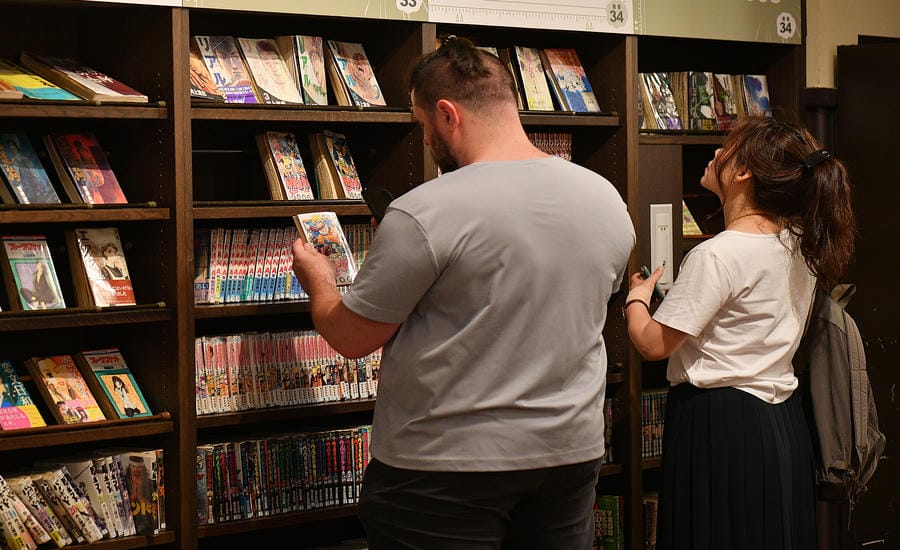
The most attractive thing about the museum is not the rare artifacts but the way it tells the story of the development of manga as part of Japanese social life. Along the corridors covered with books, visitors can freely pick up and read from classic Manga to lesser-known works in about 50,000 free comic books.
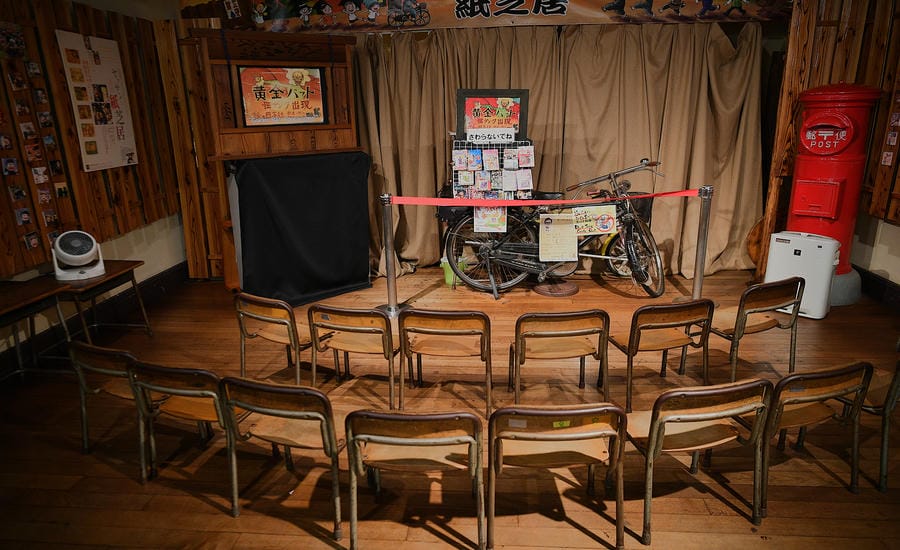
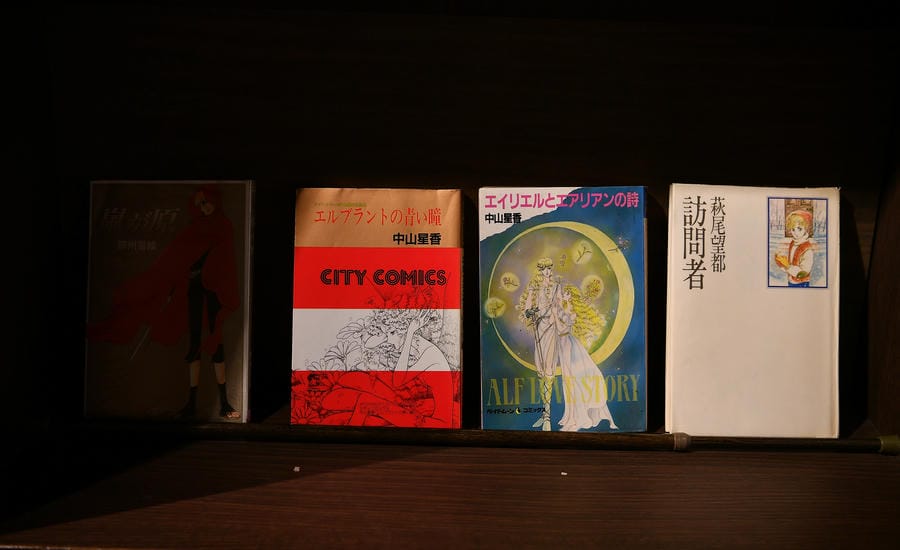
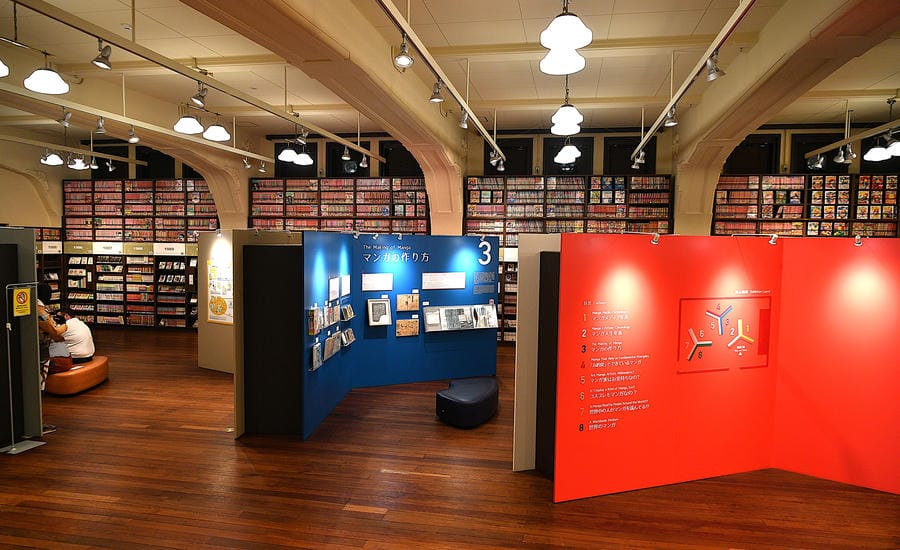
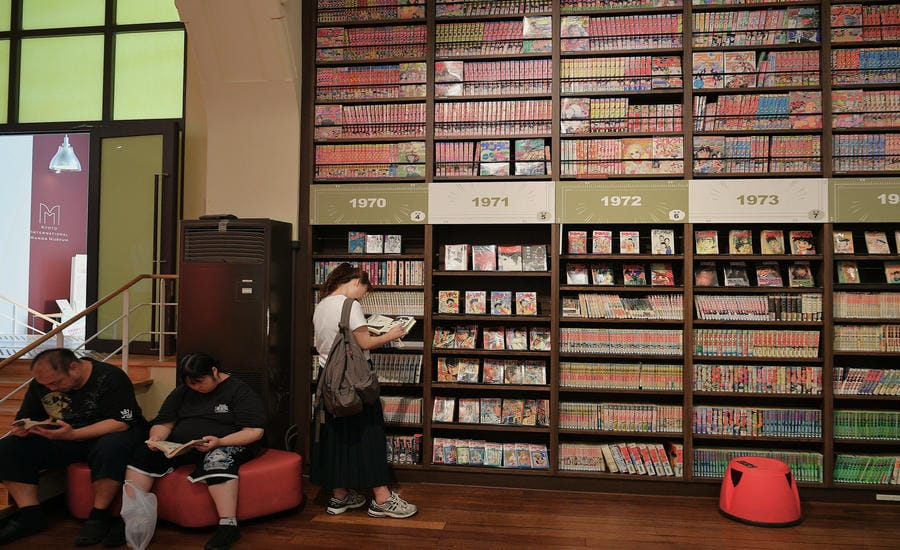
During the visit, I was particularly impressed with the Essay Manga exhibition, also known as Comic Essay - an autobiographical comic series based on the author's real life experiences. The introduction panels at the museum show that this genre is not just personal storytelling but also reflects changes in Japanese society over the decades. Like the exhibition of Saori Oguri's work "Darling wa Gaikokujin". The book tells about her married life with her American husband - Tony László and has become a publishing phenomenon, contributing to bringing the Comic Essay concept to the general public. The success of the work shows that Manga is not only for entertainment but can also become a bridge between different cultures.
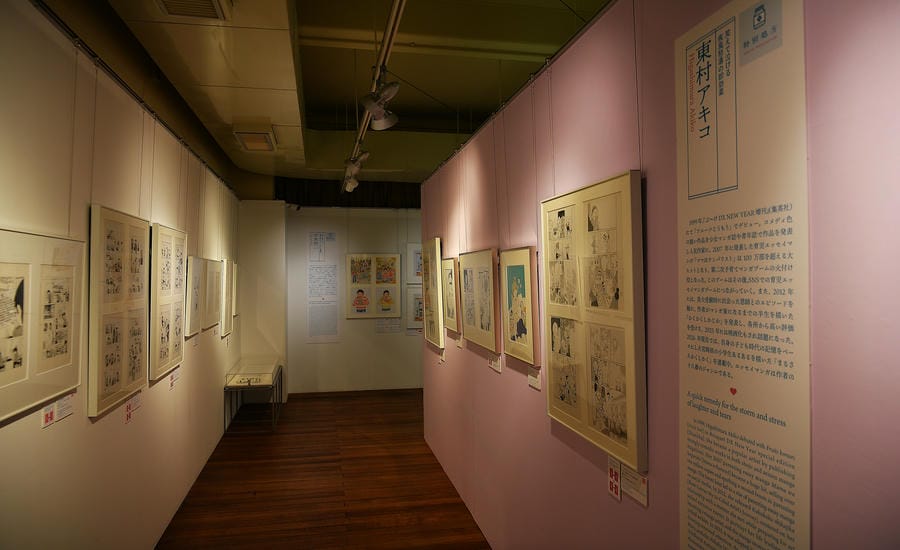
In another corner, the museum introduces works about the family life of Yoshida Sensha and Risa Ito. From the perspective of fathers and mothers, they recount raising children with humor, sincerity and sometimes self-deprecation. These very ordinary stories have expanded the boundaries of Manga, turning it into a form of social journalism close to every reader.
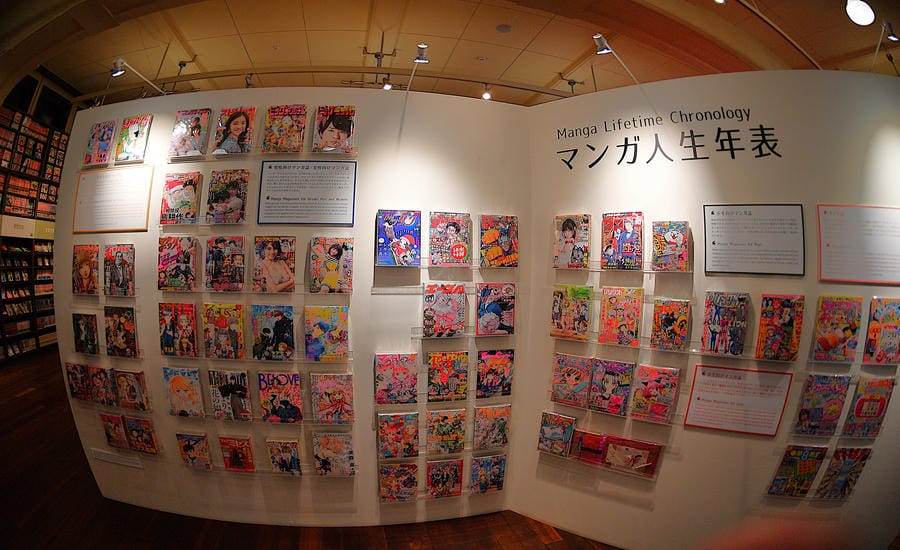
Another introduction board emphasizes that the creation of Essay Manga is a process of "drawing stories from the daily life of the artist". Not only do readers find empathy and are "saved" through the pages of the story, sometimes the author himself is also healed through the act of recounting his story. That idea makes viewers realize that Manga is not only a popular culture but also a very humane way of expression.
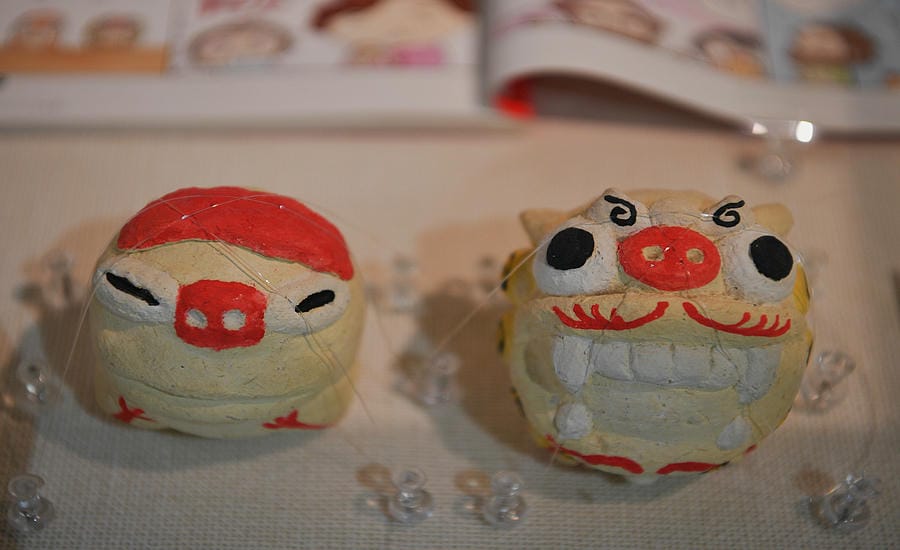
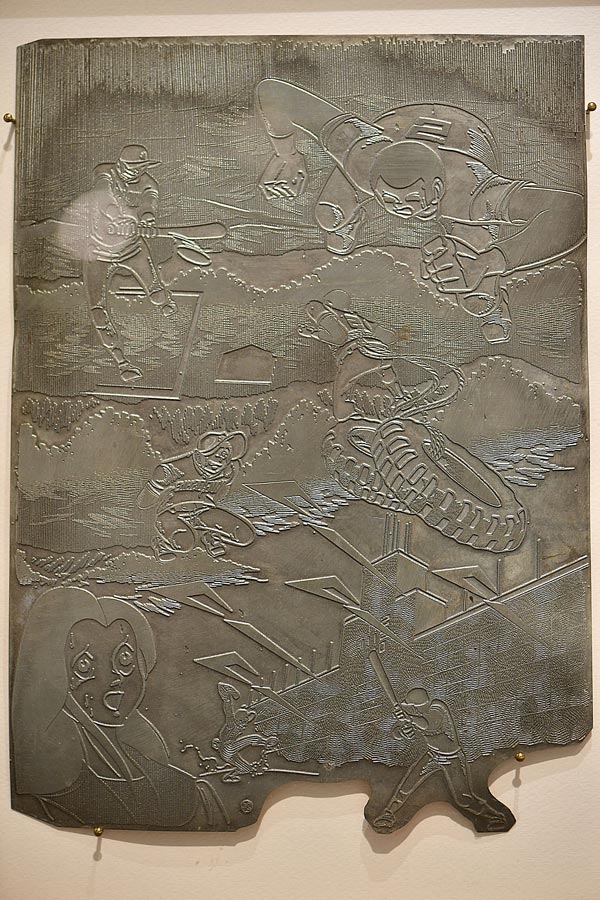
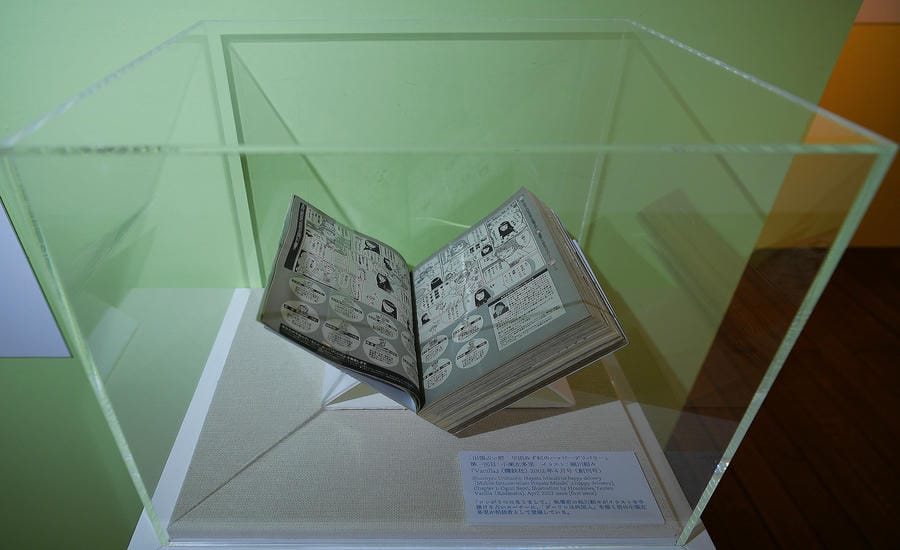
Of course, what is displayed in the Essay Manga exhibition is just a small slice in the vast world of the museum. In addition to autobiographical stories, this place also preserves manga history from the early period, classic works, research materials, thematic exhibitions and exchange activities with contemporary Manga artists.
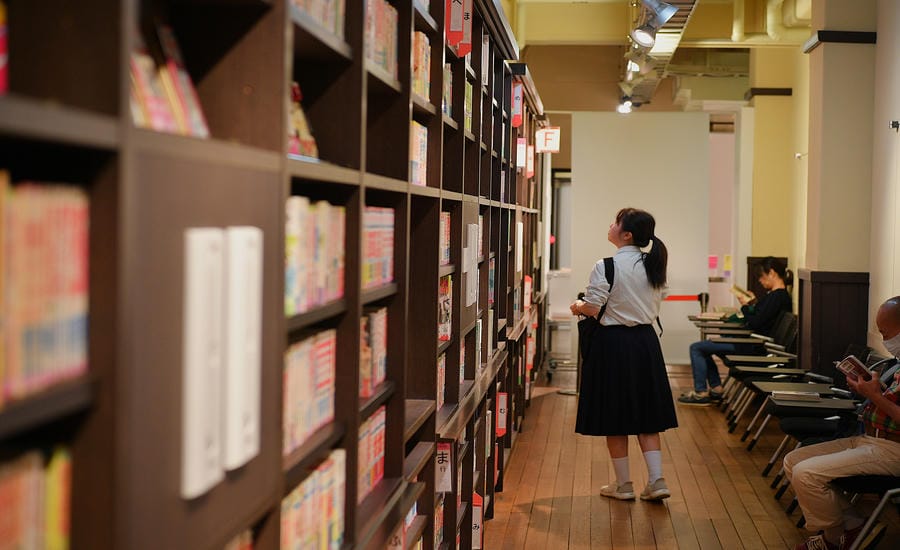
Perhaps the greatest value of the Kyoto International Manga Museum lies in the fact that it helps viewers understand that Manga is not just books to read for a few hours. It is a part of Japan's collective memory, a mirror reflecting society, and sometimes a place where people find themselves in other people's stories.